Low email open rates often stem from a combination of factors, including poor subject line performance, issues with sender reputation, list health problems, sending times, and a lack of audience segmentation. Addressing these common pitfalls can significantly improve how many people see and open your emails.
Understanding Your Email Open Rates
So, what exactly are we looking at when we talk about email open rates? It’s a simple number. It tells you the percentage of people who opened your email out of the total number of emails successfully delivered. If you sent 100 emails and 50 people opened them, your open rate is 50%.
Why does this matter so much? Because if people aren’t opening your emails, they can’t read your message. They can’t click your links. They can’t buy your product or read your latest blog post. It’s the very first step in a longer chain of engagement. A low open rate means that first step is broken for many people.
Think of it like this: you’re trying to have a conversation. If no one answers when you call their name, you can’t talk. Email is similar. The open rate is the digital equivalent of someone answering the phone when you call. If that’s not happening, your message gets lost in the noise.
The Subject Line Struggle
The subject line is your email’s first impression. It’s the tiny snippet of text that sits in someone’s inbox. It has mere seconds to convince them your email is worth opening. If it doesn’t grab their attention, it’s easily ignored or deleted. This is where many people miss the mark.
Common problems with subject lines include being too vague. Words like “Newsletter” or “Update” don’t tell the reader anything useful. They don’t offer a benefit or spark curiosity. It’s like saying “Hello” instead of “Hey, I have a fun story for you!”
Another big issue is using spammy words. Think of words like “FREE,” “BUY NOW,” “$$$,” or excessive punctuation like “!!!”. Email providers are smart. They flag these. Your message might land straight in the spam folder before anyone even sees it. This is a huge reason for low open rates.
Overly promotional subject lines can also backfire. People get a lot of marketing emails. If yours looks like every other sales pitch, they’ll skip it. The goal is to offer value or pique interest, not just to sell.
Subject Line Best Practices
- Keep it Short: Aim for 5-7 words. Many people check email on phones.
- Be Clear: State the email’s main point or benefit.
- Spark Curiosity: Ask a question or hint at something interesting.
- Personalize: Use the recipient’s name if possible.
- Avoid Spam Triggers: No excessive caps or salesy words.
Sender Reputation Matters
Imagine getting a letter from a stranger you’ve never heard of. You might be a bit wary, right? Email works the same way. Your sender reputation is how email providers (like Gmail, Outlook, Yahoo) see you. It’s built over time based on how people interact with your emails.
A good reputation means your emails are seen as legitimate and wanted. A bad reputation means they might be treated with suspicion. This directly impacts whether your emails reach the inbox or the spam folder. And if they’re in spam, they won’t be opened.
What harms your sender reputation? A high number of spam complaints is a big one. If people mark your email as spam, email providers take notice. Unsubscribes also play a role. While normal, a very high unsubscribe rate can signal that your content isn’t relevant.
Also, a lot of emails bouncing back as undeliverable can hurt you. It suggests you’re sending to old or fake addresses. This makes email providers think you’re not managing your list well. It’s like shouting into a void and getting no answers back.
It takes effort to build and maintain a good sender reputation. It’s about sending valuable content to people who want it and making it easy for them to opt-out if they change their minds. This shows respect for their inbox.
Protecting Your Sender Reputation
- Monitor Spam Complaints: Keep an eye on your email platform’s reports.
- Easy Unsubscribe: Make the unsubscribe link clear and visible.
- Authenticate Your Domain: Set up SPF, DKIM, and DMARC records. This proves you are who you say you are.
- Engage Your Subscribers: Send them content they find useful.
List Health and Engagement
Think of your email list as a garden. If you don’t tend to it, weeds grow. In email marketing, the “weeds” are inactive subscribers. These are people who signed up long ago but haven’t opened or clicked an email in months, maybe even years.
Sending emails to people who are no longer interested hurts your open rates in a few ways. First, they simply won’t open them. This lowers the overall percentage. Second, and more importantly, it can harm your sender reputation. Email providers see these non-engaging emails.
It’s like attending a party and trying to talk to people who are asleep. They can’t respond, and it makes the whole room seem quiet. Sending to inactive subscribers is a common mistake. Many people are afraid to remove people from their list, thinking a bigger list is always better.
But a smaller, engaged list is far more valuable than a huge list of people who never interact. These inactive users can drag down your metrics and even get your emails filtered as spam. It’s better to have 100 people who open your emails than 1,000 who don’t.
Regularly cleaning your list is crucial. This means identifying subscribers who haven’t engaged in a set period (e.g., 6 months or a year) and taking action. You might try a re-engagement campaign. You could ask them if they still want to hear from you.
List Cleaning Strategies
- Set a Timeframe: Decide how long a subscriber can be inactive before you act.
- Re-engagement Campaign: Send a special email asking if they want to stay subscribed.
- Offer an Incentive: A discount or freebie might win back some interest.
- Remove Inactive Users: If they don’t respond, it’s often best to remove them.
Timing and Frequency
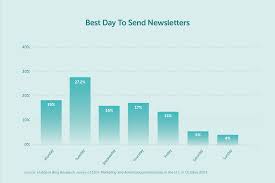
When you send your email can make a big difference. People have different routines. Some check email first thing in the morning. Others check it during their lunch break. Some might check it late at night. Sending at the wrong time means your email might get buried before they even look.
What’s the “right” time? There’s no single magic answer. It really depends on your audience. Are they business professionals who might check email during work hours? Or are they stay-at-home parents who might have more time in the afternoon? You need to consider their lifestyle.
I remember sending out a weekly update for a client. We always sent it on Monday mornings. The open rates were okay, but not great. We decided to test sending it on Wednesday afternoons. Suddenly, the opens jumped by nearly 15%! It was a small change, but it made a huge impact.
Frequency is also key. Sending emails too often can annoy people. They might start ignoring them or even marking them as spam. Sending too infrequently means they might forget who you are. They might even unsubscribe because they feel you’re not providing enough value to justify staying on the list.
Finding that sweet spot is a balance. It’s about being present without being intrusive. Most email marketing platforms offer features to test different sending times. It’s worth experimenting to see what works best for your specific audience.
Optimizing Send Times and Frequency
- Know Your Audience: When are they most likely to check email?
- Test Different Days/Times: Use A/B testing to find optimal slots.
- Avoid Peak Times: Don’t send during major holidays or busy work periods unless relevant.
- Be Consistent: Stick to a schedule your subscribers can rely on.
- Track Engagement: Monitor open and click rates after each send.
Segmentation and Personalization
One of the biggest mistakes people make is sending the exact same email to everyone on their list. Imagine getting an email about cat food when you only own a dog. It’s irrelevant. It’s annoying. And you’re certainly not going to open the next one.
This is where segmentation comes in. Segmentation means dividing your email list into smaller groups based on shared characteristics. These characteristics could be demographics (age, location), interests, past purchase history, or how they’ve interacted with your emails.
When you segment your list, you can send highly targeted messages. This makes your emails much more relevant to each group. Relevance is the key to getting people to open your emails. If you know someone loves gardening, an email about new plant arrivals will grab their attention.
Personalization goes hand-in-hand with segmentation. This means using details you know about your subscribers to make the email feel more individual. The most basic form is using their first name in the subject line or greeting. But you can go further.
For example, if you have an online store, you can send abandoned cart reminders. These emails are highly personalized and relevant, which leads to much higher open and conversion rates. The more you can make your emails feel like they were written just for the recipient, the better your open rates will be.
Segmentation Examples
- New Subscribers: A welcome series introducing your brand.
- Engaged Users: Offer loyalty rewards or exclusive content.
- Past Purchasers: Recommend related products or offer repeat customer discounts.
- Cart Abandoners: Gentle reminders about items left behind.
- Interest-Based: Emails tailored to specific product categories or services they’ve shown interest in.
Technical Glitches and Inbox Placement
Sometimes, the problem isn’t with your content or your list at all. It could be a technical issue. Email delivery is complex. Many things can go wrong behind the scenes. One of the most frustrating is when your emails don’t even reach the inbox. They go to spam or are blocked entirely.
This is often related to sender reputation, but there are other technical aspects. For instance, incorrect authentication settings (like SPF, DKIM, DMARC) can make email providers doubt your identity. It’s like sending mail without a return address. They don’t know if it’s legitimate.
Another factor is the content itself. While we talked about spammy words, certain formatting or links can also trigger spam filters. For example, using too many images without enough text, or using obscure link shorteners, can sometimes raise red flags.
Email marketers often use a “preheader text.” This is the short summary text that appears next to or below the subject line in the inbox. If you don’t set this, email clients often pull the first line of text from your email. If that first line is something like “View this email in your browser” or just a string of code, it looks unprofessional and can hurt your open rates.
You need to ensure your emails are technically sound. This means using reputable email service providers (ESPs). They handle a lot of the technical heavy lifting. It also means testing your emails before sending them. Many ESPs have tools to check how your email might be viewed by different providers.
Ensuring Inbox Placement
- Use a Reputable ESP: Services like Mailchimp, Constant Contact, or HubSpot.
- Configure Authentication: Set up SPF, DKIM, and DMARC for your domain.
- Test Before Sending: Use inbox preview tools and send test emails to yourself.
- Optimize Preheader Text: Make it engaging and relevant.
- Keep Content Clean: Avoid excessive images, broken links, or complex code.
The “No Value” Trap
This is a big one. People are busy. Their inboxes are crowded. They need a good reason to stop what they’re doing and open your email. If your emails consistently lack value, they will eventually stop opening them. This is a slow killer of open rates.
What counts as value? It’s not always about selling something directly. Value can be:
- Providing useful tips or how-to guides.
- Sharing interesting news or industry insights.
- Offering exclusive discounts or early access.
- Entertaining them with stories or engaging content.
- Answering common questions they might have.
If your emails are always just sales pitches, people will tune them out. They might still subscribe because they liked you once, but they won’t engage. This is why content marketing is so important, even within email. You need to give people a reason to look forward to your messages.
Consider the overall experience. Does your email solve a problem? Does it educate them? Does it entertain them? If the answer is no, consistently, then your open rates will suffer. People are looking for something beneficial in their inbox, not just another thing to delete.
What This Means for You
Low email open rates are usually not the result of one single issue. It’s often a mix of the factors we’ve discussed. The good news is that most of these issues are fixable with a little attention and effort.
When is it normal to have lower open rates? Well, industry averages vary by sector. For B2B, it might be around 20-25%. For B2C, it could be a bit higher, maybe 25-30%. But even within these averages, there’s a huge range. A rate below 15% is generally a sign that something needs attention.
When should you really worry? If your open rates are consistently dropping, or if they are significantly below the average for your industry. Also, if you notice a sudden, sharp decline, it might indicate a technical issue or a recent drop in sender reputation.
Simple checks you can do right now:
- Review your last 5 subject lines. Were they clear? Engaging?
- Check your unsubscribe rate. Is it higher than normal?
- Look at your spam complaint rate. Even a small increase is a red flag.
- Consider your most recent emails. Did they offer clear value?
It’s about continuous improvement. Treat your email list like a valuable asset. Nurture it. Understand what your audience wants. And be willing to adapt your approach based on what the data tells you.
Quick Fixes and Tips
If you’re looking for immediate steps, focus on these key areas:
Actionable Tips for Better Open Rates
- Craft Better Subject Lines: Spend extra time here. Test different approaches.
- Clean Your List Regularly: Remove inactive subscribers.
- Segment Your Audience: Send more relevant emails.
- Personalize Emails: Use names and tailored content.
- Test Sending Times: Find when your audience is most active.
- Focus on Value: Ensure every email offers something useful.
- Monitor Your Sender Reputation: Use ESP tools and follow best practices.
Frequently Asked Questions
What is a good email open rate?
Industry averages vary, but generally, a 20-30% open rate is considered good. However, what’s “good” also depends on your specific industry and audience engagement. Anything below 15% usually needs attention.
Can opening an email hurt my sender reputation?
Simply opening an email does not directly hurt your sender reputation. However, if opening an email leads to it being marked as spam, that does hurt your reputation. Also, if many people on your list don’t open emails, it signals to providers that your list might not be engaged.
How often should I send emails?
There’s no single answer. It depends on your audience and the value you provide. Some send daily, others weekly or monthly. The key is consistency and avoiding overwhelming your subscribers. Track engagement to find your sweet spot.
What’s the difference between open rate and click-through rate?
The open rate shows how many people opened your email. The click-through rate (CTR) shows how many people who opened your email then clicked on a link within it. Both are important metrics, but the open rate is the crucial first step.
Why do some emails show as “opened” when I didn’t open them?
This happens because many email clients load images from the sender automatically. When the images load, the email is counted as “opened,” even if you didn’t actually see the content. This means your actual open rates might be slightly lower than reported.
Should I buy an email list to improve my numbers?
Absolutely not. Buying email lists is a very bad idea. These contacts likely haven’t opted in, which means they won’t engage, will mark you as spam, and can severely damage your sender reputation and email deliverability. Always build your list organically.
Conclusion
Seeing low email open rates is a clear signal that something needs tweaking. It’s an invitation to look closer at your subject lines, your list health, and how you’re connecting with your audience. By focusing on relevance, value, and a positive sender reputation, you can turn those disappointing numbers around. Keep experimenting, keep learning, and you’ll see your emails start to reach more inboxes and get the attention they deserve.