Ever stared at a blank spreadsheet, wondering how much to budget for that next newsletter ad? You’re not alone. It’s a common puzzle for many trying to reach new audiences through email.
This guide breaks down the costs and gives you the confidence to plan.
Newsletter ad pricing can vary wildly. Key factors include your target audience size, engagement rates, ad format, and the newsletter’s niche. Prices often range from a few hundred to several thousand dollars per send. Understanding these elements helps you make smart choices for your budget.
What Drives Newsletter Ad Pricing?
The cost of placing an ad in a newsletter isn’t random. Several big things affect what you’ll pay. Think of it like buying space in a popular magazine.
The more people who read it, and the more specific their interests are, the higher the price usually climbs.
Audience Size Matters: This is usually the biggest factor. A newsletter with 100,000 subscribers will cost more than one with 1,000. More eyeballs mean more potential customers seeing your ad.
Engagement is Key: A huge list that nobody reads is not valuable. Newsletters with high open rates (how many people open the email) and click-through rates (how many people click a link) command higher prices. This shows the audience is active and interested.
Niche vs. General: A super-specific newsletter for, say, left-handed miniature painters will cost more per subscriber than a general daily news digest. Advertisers pay a premium to reach a highly targeted and engaged niche audience that is likely to be interested in their specific product or service.
Ad Format: What kind of ad is it? A simple text mention is usually cheaper than a dedicated sponsored section or a banner ad. Different formats have different impacts and costs.
Frequency and Exclusivity: Do you want a one-off ad or a recurring spot? Some newsletters offer discounts for longer commitments. Sometimes, you can pay extra for exclusivity, meaning no competitors will be advertised at the same time.
Sender Reputation: The person or company sending the newsletter matters too. A well-respected sender with a history of delivering value and clean lists will charge more than someone with a less established or questionable reputation.
My First Newsletter Ad Fiasco
I remember my first real attempt at paid newsletter ads. It was for a small e-commerce site I was helping out. We had a decent product, but zero brand recognition.
I’d found this newsletter that seemed perfect – it was about vintage gaming consoles, my niche. The owner quoted me $500 for a “sponsored mention” to their 5,000 subscribers.
I thought, “Great deal! That’s only 10 cents per person.” I sent over my ad copy, feeling pretty good. The ad ran.
And… crickets. We got maybe three clicks. Zero sales.
It was a punch to the gut. I had focused only on the list size, not on the quality of the audience or the engagement. The list might have been big, but maybe they weren’t actively buying or looking for new consoles at that moment.
Or perhaps my ad copy wasn’t a good fit for how they read their emails. That $500 felt like it vanished into thin air.
Understanding the Pricing Models
So, how do newsletters actually charge? There are a few common ways this happens. Knowing these helps you compare offers and understand the value you’re getting.
It’s not just a flat fee usually.
CPM (Cost Per Mille / Cost Per Thousand): This is a classic advertising metric. You pay a set amount for every 1,000 times your ad is shown or delivered. For example, a CPM of $20 means you pay $20 for every 1,000 subscribers who receive the newsletter containing your ad.
This is common for display-style ads within emails.
CPC (Cost Per Click): Here, you only pay when someone actually clicks on your ad. This can be great because you’re paying for direct interest. However, it also means you rely heavily on the newsletter’s ability to drive clicks.
A high CPC might indicate a highly valuable audience.
Flat Fee: Sometimes, especially for smaller or niche newsletters, you’ll get a simple, fixed price for a sponsored spot. This is easiest to budget. You pay $X, and you get your ad in the next issue, or for a set period.
This model is often seen for dedicated sponsorships or newsletter takeovers.
Performance-Based (Less Common): In some rare cases, especially with very large or sophisticated newsletters, you might see a deal tied directly to sales or leads generated. This is high-risk, high-reward for both parties. You might pay a percentage of sales driven by the ad.
Newsletter Ad Pricing Snapshot
Pricing Model: How you are charged.
CPM: Cost for every 1,000 impressions.
CPC: Cost for each click.
Flat Fee: Fixed price for an ad spot.
Performance: Payment based on results (rare).
The model chosen often reflects the newsletter’s confidence in its audience and the type of ad being sold. CPC is great if you need direct traffic. CPM is good if brand awareness is your main goal.
Factors That Make Prices Go Up (or Down)
Beyond the big points, there are other subtle things that can shift that price tag. It’s like finding a great deal on a car – sometimes the color or the extra features add to the cost. Or, they might bring it down.
Audience Demographics: If a newsletter’s audience matches your ideal customer profile perfectly – say, their income level, location, job title, or interests – you’ll pay more. Advertisers want to reach people most likely to buy from them.
Engagement Metrics: As mentioned, open rates and click-through rates are crucial. A newsletter boasting 50%+ open rates is gold. Even if the list is smaller, that engagement is worth more than a huge, unengaged list.
Look for newsletters that share these stats.
Content Quality and Tone: A newsletter that is well-written, informative, and engaging builds trust. If the newsletter’s tone matches your brand, your ad feels more at home and is likely to perform better. This quality often means higher ad rates.
Sender’s Authority: Is the sender an industry leader? Do they have social proof and a good reputation? This “authoritativeness” means their recommendations carry weight, and advertisers will pay more for that trust transfer.
Ad Placement: Where in the newsletter does your ad go? The first mention might be the most expensive. Ads placed near engaging content or at the top of the email often cost more than those at the very bottom.
Exclusivity and Sponsorship Level: Do you want to be the only advertiser? Or feature prominently? These premium options come with a higher price tag.
Some newsletters offer different tiers of sponsorship, each with its own pricing.
Send Frequency: Daily newsletters might have lower CPMs than weekly ones because the audience is used to receiving emails more often. However, more frequent sends mean more opportunities to be seen.
Understanding Value vs. Price
High Price Might Mean High Value: Don’t always shy away from higher costs. A higher price can reflect a highly engaged, specific audience that converts well.
Low Price Might Mean Low Value: Conversely, a very cheap ad might be in a newsletter with a poor audience or low engagement, leading to wasted money.
Key Metrics to Ask For: Open rates, click-through rates, subscriber demographics, list growth rate.
Typical Price Ranges (It’s a Wide Spectrum!)
Okay, let’s talk numbers. It’s hard to give exact figures because it varies so much. But we can give you some common ranges you’ll see.
Think of these as starting points.
Small Niche Newsletters (Under 5,000 subscribers): For these, you might find flat fees ranging from $50 to $300 per sponsored mention. Some might offer CPMs around $10-$30. The value here is extreme targeting.
Mid-Sized Newsletters (5,000 – 50,000 subscribers): This is where you see more variety. CPMs could be anywhere from $20 to $70. CPCs might range from $1 to $5 per click.
Flat fees could be from $300 to $2,000+ depending on the niche and engagement.
Large & Popular Newsletters (50,000+ subscribers): These can get expensive fast. CPMs could easily be $50 to $150+. CPCs can climb to $5 to $15+.
Flat fees for dedicated sends or prominent sponsorships can be $5,000 to $10,000 or much more. Think of major industry newsletters or very popular creator newsletters.
Performance-Based Deals: If you find one, it’s often a percentage of revenue or a flat fee per lead. This could be 10-30% of sales generated, or $20-$100 per qualified lead.
Price Range Examples
Micro-Niche (e.g., 2,000 subs): $75 – $200 flat fee.
Growing Community (e.g., 15,000 subs): $500 – $2,500 for a sponsored spot (flat fee or based on CPM/CPC).
Major Industry Leader (e.g., 100,000 subs): $5,000 – $15,000+ for premium placement.
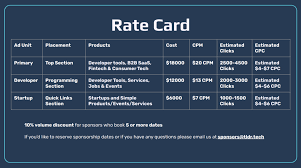
These numbers are estimates. Always get a media kit or a direct quote. And remember to factor in the potential return on investment (ROI) when evaluating the cost.
How to Find Good Newsletter Ad Opportunities
Where do you even start looking? It feels like searching for a needle in a haystack sometimes. But there are smart ways to find newsletters that align with your business and budget.
It’s about finding your people where they already gather.
Direct Outreach: If you know of a newsletter that your audience loves, just reach out! Many smaller newsletters don’t have fancy media kits but are open to sponsorships. Look for an “Advertise” or “Sponsor” link in their footer, or simply reply to an issue and ask.
Newsletter Directories: Websites like Substack Discover, Beehiiv Discover, and others list newsletters. Some also have marketplaces where advertisers can browse and book ad spots. These platforms often provide audience data.
Third-Party Ad Networks: Some platforms specialize in connecting advertisers with newsletter publishers. Examples include Paved, Hecto, and RedCircle (more for podcasts but sometimes cross-over). They can help you find, book, and track campaigns.
Social Media & Communities: Creators often promote their newsletters on platforms like Twitter or LinkedIn. You can also find discussions in industry forums or Facebook groups where people recommend newsletters.
Your Own Audience Research: Ask your current customers or social media followers what newsletters they read. This is gold-standard research because it directly tells you where your audience is spending their time.
Finding Your Next Newsletter
Step 1: Identify Your Ideal Subscriber. Who are they? What are their interests?
Step 2: Search for Niche Newsletters. Use directories, social media, and Google.
Step 3: Vet Potential Newsletters. Look at their content, engagement, and audience stats.
Step 4: Reach Out with a Clear Offer. Be specific about what you want to achieve.
Don’t just go for the biggest names. Sometimes, a smaller, hyper-focused newsletter can deliver much better results for a fraction of the cost. It’s about the quality of the connection.
Real-World Context: When to Use Newsletter Ads
So, when does it actually make sense to spend your hard-earned money on a newsletter ad? It’s not a one-size-fits-all solution. There are specific situations where it shines brightest.
Launching a New Product or Service: If you have something new to tell the world, a well-chosen newsletter can get the word out to an audience that’s already interested in your industry. This is a great way to gain initial traction.
Driving Traffic to Content: Have a great blog post, a new video, or a valuable guide? Newsletter ads can be an effective way to send engaged readers directly to your valuable content. This builds your authority and can lead to further engagement.
Promoting Special Offers or Events: Limited-time discounts, webinars, or upcoming conferences are perfect for newsletter ads. The urgency of an email campaign often leads to quick sign-ups or purchases.
Building Brand Awareness in a Niche: If you want to become known within a specific community, sponsoring a newsletter read by that community is a smart move. It’s about consistent exposure to the right people.
Reaching a Highly Specific Audience: For businesses serving very particular groups – like specific hobbyists, professionals in a niche field, or users of a certain type of software – targeted newsletters are invaluable. You’re not wasting money on people who will never be customers.
Scenarios Where Newsletter Ads Excel
Scenario: Launching an app for indie game developers.
Newsletter Type: A weekly digest on indie game development news.
Ad Goal: Drive app downloads and sign-ups.
Scenario: Promoting a new online course for freelance writers.
Newsletter Type: A popular newsletter for aspiring and established freelancers.
Ad Goal: Enroll students in the course.
The key is that the newsletter’s audience should closely mirror your ideal customer. If there’s a strong overlap, the ad has a much better chance of success.
What This Means for Your Budget
Understanding pricing models and typical costs is only half the battle. The real challenge is fitting this into your marketing budget. It requires careful planning and realistic expectations.
You don’t want to spend money and get nothing back.
Start Small and Test: If you’re new to this, don’t blow your entire budget on one big campaign. Pick one or two smaller, more affordable newsletters that seem like a good fit. Run a test campaign and see what results you get.
Track Your Results Religiously: Use unique tracking links (like UTM parameters) for each newsletter ad. This lets you see exactly where your traffic and sales are coming from. Without this, you’re flying blind.
Analyze ROI (Return on Investment): Did the revenue generated by the ad exceed the ad cost? If you spent $500 and made $1,000 in sales directly attributable to that ad, that’s a good ROI. If you spent $500 and made $100, you need to rethink your strategy.
Consider the Lifetime Value: Sometimes, an ad might not lead to an immediate sale, but it could bring in a customer who buys from you repeatedly. Think about the long-term value of a new customer, not just the first purchase.
Negotiate When Possible: Especially for smaller newsletters or if you’re planning multiple campaigns, don’t be afraid to negotiate. You might be able to get a better rate, especially if you can commit to a series of ads.
Budgeting for Success
Allocate a Testing Budget: Set aside a specific amount for initial experiments.
Define Success Metrics: What does a good result look like? (e.g., X clicks, Y sales, Z leads)
Factor in Ad Creation Time: Writing good ad copy takes time. Include this in your planning.
Monitor Performance Closely: Don’t set it and forget it. Check your numbers regularly.
Your budget should be flexible. As you learn what works, you can reallocate funds to the most effective newsletters and ad types. It’s an ongoing learning process.
Quick Fixes & Tips for Better Results
Even with a good budget and the right newsletter, your ad copy and offer are critical. A weak ad will underperform, no matter how good the newsletter is. Here are some simple tips to boost your chances of success.
Craft a Compelling Headline: Your ad’s headline is the first thing people see. Make it clear, benefit-driven, and attention-grabbing. Use numbers or strong action verbs.
Focus on Benefits, Not Just Features: Instead of saying “Our software has AI integration,” say “Save hours weekly with our smart AI automation.” Tell people how it helps them.
Use a Clear Call to Action (CTA): What do you want people to do? “Shop Now,” “Learn More,” “Download Your Free Guide,” “Register Today.” Make it obvious and easy to click.
Create Urgency or Scarcity: If applicable, mention limited-time offers or dwindling stock. “Offer ends Friday!” or “Only 50 spots left!” can drive immediate action.
Keep it Simple and Scannable: People skim emails. Use short sentences, bullet points, and bold text to highlight key information. Make it easy to understand at a glance.
Match the Newsletter’s Tone: If the newsletter is casual and friendly, your ad should feel similar. If it’s more formal and professional, adjust your tone accordingly. This builds trust.
Use Social Proof: If possible, mention testimonials, customer numbers, or awards. “Trusted by over 10,000 users” adds credibility.
Ad Copy Essentials
Headline: Grab attention immediately.
Benefit: Explain how it helps the reader.
Call to Action: Tell them what to do next.
Urgency/Scarcity: Encourage quick action (if applicable).
Clarity: Make it easy to read and understand.
Think of your ad as a mini-pitch. You have a very short time to convince someone to take the next step. Make every word count.
Frequently Asked Questions About Newsletter Ad Pricing
What is the average cost of a newsletter ad?
The average cost can range from $50 for small, niche newsletters to over $10,000 for very large and popular ones. It heavily depends on audience size, engagement, and niche. A common range for mid-sized newsletters is $500-$2,500.
Is newsletter advertising a good investment?
Yes, newsletter advertising can be a highly effective investment if you choose the right newsletters and craft compelling ads. It allows you to reach a targeted, engaged audience who are often actively looking for solutions or new products in their areas of interest.
How do I know if a newsletter’s audience is right for me?
Ask the newsletter owner for their audience demographics (age, location, interests, job titles). Review their content to see if it aligns with your brand. Look at their social media presence for clues about their community.
Ideally, the newsletter’s topic should directly relate to your product or service.
Should I pay per click (CPC) or per thousand impressions (CPM)?
If your main goal is direct sales or lead generation and you have a strong offer, CPC can be better because you only pay for interested clicks. If your goal is broader brand awareness and reaching as many relevant people as possible, CPM might be more suitable.
What are common mistakes people make when buying newsletter ads?
Common mistakes include not vetting the newsletter’s audience quality, not tracking results, using generic ad copy, not having a clear call to action, and not understanding their own ROI. Focusing only on list size without considering engagement is also a frequent error.
Can I negotiate newsletter ad prices?
Yes, negotiation is often possible, especially if you are looking to book multiple ads, a longer-term sponsorship, or if you are working with a smaller newsletter creator. Be polite and professional when making an offer.
The Bottom Line on Newsletter Ad Costs
Navigating newsletter ad pricing can feel complex, but it’s manageable. Focus on understanding your audience, researching relevant newsletters, and clearly defining your goals. Don’t be afraid to ask questions and always track your results.
By approaching newsletter ads strategically, you can find cost-effective ways to connect with new customers and grow your business. It’s about building valuable relationships one email at a time.