Category: Newsletter Growth Hacks

  • Newsletter Affiliate Marketing

    Have you ever looked at successful bloggers or online creators and wondered how they make money? Affiliate marketing is a big piece of that puzzle. And when you combine it with email newsletters, you’ve got a powerhouse.

    It can feel a bit tricky at first. You want to share products you love without annoying your readers. But when done right, it’s a win-win.

    Your audience gets helpful recommendations, and you earn a little something for your efforts. Let’s break down how to make this work for you.

    Newsletter affiliate marketing is the process of promoting other companies’ products or services to your email subscribers. When a subscriber clicks your unique affiliate link and makes a purchase, you earn a commission. It’s a popular way for content creators to monetize their audience by providing value through product recommendations.

    What is Newsletter Affiliate Marketing?

    Think of it like this: you’re a trusted friend sharing a great tip. You tell your friends about a new restaurant you discovered. If they go and enjoy it, that’s great.

    Affiliate marketing is similar, but with a digital twist.

    You build an email list of people who trust your advice. These are people who like what you share. Then, you find products or services that you think they’ll also love.

    You sign up for an affiliate program. This gives you special links.

    When you send out your newsletter, you include these links. You might write a review or simply mention the product. If someone in your email list clicks that link and buys something, the company pays you a small amount.

    This is your commission.

    It’s not about pushing sales. It’s about helping your readers find useful things. When you do this, everyone wins.

    Your subscribers get helpful ideas. The company gets a new customer. And you get paid for making the connection.

    My First Newsletter Affiliate Success Story

    I remember the early days of my first blog. It was about home gardening. I spent hours writing tips on growing tomatoes and fighting pests.

    I built up a small but engaged email list. People asked questions. They shared their own gardening wins and fails.

    I felt like I was talking to actual friends.

    One day, I was talking about the best tools for pruning roses. I’d bought a specific pair of secateurs a few months before. They were sharp, comfortable, and made the job so much easier.

    I genuinely loved them. I wrote a short paragraph about them in my newsletter. I mentioned how much time they saved me and how clean the cuts were.

    I included a link to where I bought them. It was an Amazon Associates link. I didn’t expect much.

    Maybe one or two people would click. A few days later, I logged into my Amazon account. There was a small deposit from affiliate sales.

    Then another. And another. It wasn’t a fortune, but it was more than I had made from my blog before.

    It felt amazing! My readers found value, and I got a little reward. That was my first real taste of successful newsletter affiliate marketing.

    Getting Started: The Basics

    What you need:

    • An email list.
    • A way to send newsletters (like Mailchimp, ConvertKit, etc.).
    • Products or services to promote.
    • Affiliate links for those products.

    Key action:

    Add affiliate links naturally into your email content. Focus on helping your subscribers.

    Building Your Email List: The Foundation

    Your email list is your most valuable asset. Without people to send newsletters to, affiliate marketing won’t work. It’s like having a shop but no customers.

    So, how do you build this list? You need to offer something people want in exchange for their email address. This is called a lead magnet.

    For my gardening blog, my lead magnet was a free PDF guide. It was titled “5 Easy Steps to a Bountiful Tomato Harvest.” It gave clear, actionable tips that people could use right away. It was simple but effective.

    Other ideas for lead magnets include:

    • Checklists
    • Templates
    • Short e-books
    • Webinars
    • Free mini-courses
    • Discount codes

    Place opt-in forms on your website. Make them easy to find. You can have them at the end of blog posts.

    You can use pop-ups (but not too many!). Offer them on your social media too.

    Once someone signs up, welcome them warmly. Send them the lead magnet they requested. Then, start sending them valuable content regularly.

    This is how you build trust.

    Lead Magnet Ideas for Different Niches

    Category | Lead Magnet Example

    Cooking: Recipe e-book, Meal planning template

    Fitness: 7-Day workout plan, Healthy eating guide

    Personal Finance: Budgeting spreadsheet, Savings challenge

    Parenting: Printable chore chart, Baby sleep guide

    Choosing the Right Affiliate Programs and Products

    This is super important. You don’t want to promote just anything. Your readers trust you.

    Promoting the wrong things can break that trust. You need to be picky.

    What to look for:

    • Relevance: Does the product fit your niche? Does it solve a problem for your audience?
    • Quality: Have you used it? Do you genuinely like it? Is it well-made?
    • Reputation: Does the company have good reviews? Are they reliable?
    • Commission Rate: How much will you earn per sale? Some programs pay more than others.
    • Cookie Duration: How long does the tracking cookie last? A longer duration is better.

    There are many places to find affiliate programs:

    • Major Retailers: Amazon Associates is the most popular. Others include Target and Walmart.
    • Affiliate Networks: These are platforms that host many different programs. Examples are ShareASale, CJ Affiliate, and Rakuten Advertising.
    • Direct Programs: Many companies have their own affiliate programs on their websites. Look for a link like “Affiliates” or “Partners” at the bottom.

    For my gardening blog, I looked for tools, seeds, organic fertilizers, and even gardening books. I only picked items I had personal experience with or that were highly recommended by other gardeners I trusted.

    Remember, the goal is to recommend things that will genuinely benefit your subscribers. Think about their needs and interests. What challenges do they face?

    What are they trying to achieve?

    Crafting Compelling Newsletter Content

    Your newsletter is where you connect with your audience. It’s not just a place to drop links. You need to provide value first.

    Structure your newsletter like this:

    1. A Great Subject Line: Make it catchy and relevant so people open it.
    2. Engaging Introduction: Start with something interesting. A story, a tip, a question.
    3. Valuable Content: Share your main tips, stories, or information.
    4. Natural Product Placement: Weave in your affiliate recommendations where they make sense.
    5. Clear Call to Action: Tell people what to do next (e.g., “Check it out here”).
    6. Friendly Closing: Sign off warmly.

    Tips for placement:

    • Reviews: Write a detailed review of a product. Explain pros and cons.
    • Tutorials/How-Tos: Show how to use a product. Mention it as a helpful tool.
    • Resource Lists: Create a list of your favorite tools or resources. Include affiliate links for each.
    • Problem/Solution: Talk about a common problem your audience has. Suggest a product that solves it.

    Always be transparent. Let your readers know you’re using affiliate links. A simple disclosure like “This post contains affiliate links, which means I may earn a commission if you purchase through them at no extra cost to you” is usually enough.

    This builds trust.

    Newsletter Content Ideas

    Type | Description | Affiliate Opportunity

    Weekly Tip: A short, actionable piece of advice.

    Product Recommendation: Introduce a useful tool.

    Behind-the-Scenes: Share your process or a project.

    Reader Spotlight: Feature a subscriber’s success story.

    Understanding Affiliate Disclosures and Best Practices

    Transparency is key. The Federal Trade Commission (FTC) in the U.S. has rules about affiliate disclosures.

    You must clearly tell your audience when you’re making money from a recommendation.

    Why is this important?

    • It’s the law: You need to follow these rules.
    • It builds trust: Honesty makes your readers feel more secure.
    • It manages expectations: People know you have a financial interest.

    Where to place disclosures:

    • At the beginning of the email: This is the best practice. Make it easy to see.
    • Near the affiliate link: You can also have a disclosure right next to the link.

    What to say:

    Keep it simple and clear. Something like:

    “This email contains affiliate links. I may receive a commission if you make a purchase through these links. This is at no extra cost to you.”

    Avoid jargon. Use plain English. Your goal is to be upfront and honest.

    Other best practices include:

    • Only promote what you believe in.
    • Don’t overdo it. Too many links can be overwhelming.
    • Test your links regularly. Make sure they work.
    • Track your results. See what’s working and what’s not.

    Tracking Your Affiliate Performance

    You can’t improve what you don’t measure. Tracking your affiliate income is crucial for understanding what’s working.

    Most affiliate programs provide dashboards. These show you:

    • Clicks: How many people clicked your links.
    • Conversions: How many of those clicks led to a sale.
    • Earnings: How much money you’ve made.
    • Top Products: Which products are selling the most.

    Use this data to your advantage. If one type of recommendation gets lots of clicks but few sales, maybe the product isn’t a good fit. Or maybe your description isn’t clear.

    If another recommendation has fewer clicks but a high conversion rate, it means those who click are very interested. You might want to promote that product more.

    I use a simple spreadsheet to track my own results. I note down the product, the affiliate program, the date I promoted it, and the earnings. This helps me see trends over time.

    Key Performance Indicators (KPIs)

    Metric | What it tells you

    Click-Through Rate (CTR):

    Percentage of people who clicked your link after seeing it.

    Conversion Rate:

    Percentage of clicks that resulted in a sale.

    Average Order Value (AOV):

    The average amount spent per order through your link.

    Earnings Per Click (EPC):

    How much you earn, on average, for each click.

    Common Mistakes to Avoid in Newsletter Affiliate Marketing

    It’s easy to stumble when you’re starting out. Here are some common pitfalls to watch out for.

    Mistake 1: Promoting Too Much.

    If every email is packed with affiliate links, your readers will tune out. They signed up for your content, not just sales pitches. Keep the focus on providing value.

    Affiliate links should be a helpful addition, not the main event.

    Mistake 2: Not Disclosing.

    Ignoring disclosure rules is a big no-no. It’s not only illegal but also damaging to your reputation. Always be upfront about your affiliate relationships.

    Mistake 3: Promoting Irrelevant Products.

    Sending links for dog food to a newsletter about cooking is a recipe for unsubscribes. Make sure everything you promote makes sense for your audience. If you’re unsure, ask them!

    Mistake 4: Not Testing Links.

    A broken link means lost sales and lost trust. Before you hit send, click every affiliate link yourself to ensure it works and goes to the correct page.

    Mistake 5: Expecting Overnight Riches.

    Building a profitable affiliate income takes time. It requires consistent effort in list building and content creation. Don’t get discouraged if you don’t see huge results immediately.

    Advanced Newsletter Affiliate Strategies

    Once you’ve got the basics down, you can explore more advanced tactics to boost your earnings.

    1. Targeted Segmentation:

    As your list grows, you can segment it. This means dividing your list into smaller groups based on their interests. For example, in my gardening list, I might have subscribers interested in vegetables and others interested in flowers.

    If a company offers excellent organic vegetable seeds, I’d send that promotion only to the vegetable lovers. This makes the recommendation much more likely to convert.

    2. Creating Dedicated Review Emails:

    Instead of just mentioning a product in a regular newsletter, dedicate a whole email to it. This allows you to go into more detail. Share your personal experience, photos, and a clear explanation of why it’s a great choice for your subscribers.

    3. Offering Bonuses:

    This is a powerful strategy. When someone buys through your affiliate link, you can offer them a bonus. This could be another free guide, a private Q&A session, or a discount on your own products.

    For example, if I promoted a popular gardening book, I might offer a bonus checklist of seasonal planting tips to anyone who buys it through my link. This adds extra value and incentivizes people to buy from you.

    4. Building Relationships with Affiliate Managers:

    Many affiliate programs have managers. Building a good relationship with them can be beneficial. They might offer you higher commission rates, exclusive promotions, or early access to new products.

    5. Promoting High-Ticket Items:

    While low-cost items sell more easily, high-ticket items (expensive products) can generate larger commissions. If you have an audience interested in premium courses, software, or specialized equipment, consider promoting these. Just be sure they align perfectly with your audience’s needs.

    These strategies require more effort but can significantly increase your newsletter affiliate marketing income.

    Advanced Tactic Spotlight: Email Segmentation

    What it is: Dividing your email list into smaller, more focused groups.

    Why it matters: Allows for highly relevant promotions.

    How to do it: Based on subscriber interests, past purchases, or engagement levels.

    Example: Sending a promotion for advanced photography gear only to subscribers who have shown interest in photography tutorials.

    The Role of Trust and Authority (E-E-A-T)

    In affiliate marketing, just like any online venture, trust is paramount. Google’s E-E-A-T guidelines – Experience, Expertise, Authoritativeness, and Trustworthiness – are not just for SEO. They are the bedrock of a successful affiliate business.

    Experience: Share your genuine, first-hand experience with a product. How did it help you? What challenges did it overcome?

    Personal stories make recommendations relatable and believable.

    Expertise: Demonstrate your knowledge in your niche. When you offer well-researched advice and accurate information, people see you as an expert. This makes them more likely to listen to your recommendations.

    Authoritativeness: This comes from building a strong reputation over time. When other trusted sources (like reputable websites or industry leaders) reference your content, it signals authority. It also comes from consistent, high-quality content creation.

    Trustworthiness: This is about being honest and transparent. Always disclose your affiliate relationships. Never promote products you don’t believe in.

    Provide helpful, unbiased advice. If you’re promoting something from a U.S. institution like the FDA or USDA, mention it if relevant to add weight.

    When you embody these principles, your audience sees you as a reliable source. They will be more receptive to your affiliate recommendations because they trust your judgment. This leads to higher conversion rates and a more sustainable income stream.

    Monetizing Your Newsletter: When and How Often?

    This is a question many creators grapple with. How often should you send promotional emails? When is the right time to introduce affiliate links?

    There’s no single answer, as it depends on your audience and niche. However, a good rule of thumb is the 80/20 rule.

    80% Value, 20% Promotion.

    This means for every four emails you send that are purely value-driven (tips, stories, insights), one can include an affiliate promotion. Or, within a single newsletter, 80% of the content should be non-promotional, and 20% can be an affiliate recommendation.

    Consistency is Key:

    Regularity builds anticipation. Whether you send weekly, bi-weekly, or monthly, stick to a schedule. Your subscribers will learn when to expect your emails.

    Timing Promotions:

    Consider seasonal trends or upcoming events. For instance, if you have a fitness newsletter, promotions for workout gear might do well leading up to summer. For a tech blog, Black Friday is prime time for electronics promotions.

    Listen to Your Audience:

    Pay attention to replies and feedback. If subscribers mention they’re looking for a specific type of product, that’s a perfect opportunity to recommend something relevant. If you notice a drop in opens or clicks after a promotional email, you might be overdoing it.

    Avoid sending solely promotional emails. This can quickly lead to unsubscribes and damage your sender reputation. The goal is to maintain a healthy balance that keeps your subscribers engaged and makes them feel well-served.

    Integrating Affiliate Links with Your Blog Content

    Your newsletter and your blog should work together. Your blog provides in-depth content, and your newsletter drives traffic back to it and offers more direct engagement.

    Promote Your Newsletter on Your Blog:

    Ensure you have clear calls to action on your blog posts. Encourage readers to sign up for your newsletter to get more tips, exclusive content, or updates.

    Link Blog Posts in Your Newsletter:

    When you write a new blog post, mention it in your newsletter. You can provide a short summary and a link to read more. This drives traffic back to your site.

    Use Affiliate Links Strategically on Your Blog:

    You can also use affiliate links directly within your blog posts. This is often where many affiliate sales happen. When you recommend a product in a blog post, add your affiliate link there.

    Then, in your newsletter, you can reference that blog post.

    For example, you could send a newsletter with the subject: “My Top 5 Must-Have Gardening Tools (See the Full Review!)”. The newsletter would briefly mention the tools and link to the blog post where you have detailed reviews and affiliate links for each.

    This multi-channel approach helps you reach your audience in different ways and creates more opportunities for conversions. It also reinforces your authority by showing you have a wealth of information available.

    The Future of Newsletter Affiliate Marketing

    The landscape of online marketing is always changing. But the core principles of building an audience and providing value remain constant. Newsletter affiliate marketing is likely to stay a strong monetization strategy for creators.

    What to expect:

    • More Personalization: With advances in AI and data analytics, newsletters will become even more personalized. This means your affiliate recommendations will be even more targeted and effective.
    • Interactive Content: Expect more interactive elements within newsletters, like quizzes or polls, that can help gather data for better segmentation and personalized offers.
    • Focus on Community: Building a strong community around your newsletter will be key. Engaged communities trust recommendations more.
    • Ethical Marketing: As consumers become more aware, transparency and ethical practices will be non-negotiable. Brands and creators who prioritize this will thrive.
    • Creator-Led Brands: We’ll see more creators launching their own products, which can also be promoted through affiliate-style structures within their own ecosystems.

    The essence of successful newsletter affiliate marketing will always be about serving your audience. By focusing on delivering genuine value, building trust, and making helpful recommendations, you’ll be well-positioned for long-term success.

    Frequent Questions about Newsletter Affiliate Marketing

    Is it hard to start with newsletter affiliate marketing?

    Not really! The basics are quite simple. You need an email list, an email service provider, and products to promote.

    Most affiliate programs are easy to join. The real work is in building your list and creating good content.

    How much money can I expect to make?

    This varies a lot. Some people make a few dollars here and there, while others make a full-time income. It depends on your niche, your audience size, how engaged they are, and the products you promote.

    It takes time and consistent effort to build significant income.

    Do I need a website to do newsletter affiliate marketing?

    While not strictly required, a website is highly recommended. It’s where you’ll likely build your email list with lead magnets. It also adds to your credibility and provides a central hub for your content, which often includes affiliate links.

    Your newsletter can then drive traffic to your website.

    What if my subscribers don’t buy anything?

    That can happen, and it’s okay! It might mean the product isn’t the right fit, or your promotion needs tweaking. Focus on the value you provide first.

    If your subscribers trust your recommendations, they will eventually buy when the right product comes along. Don’t get discouraged by low initial sales.

    Can I promote affiliate products in every newsletter?

    It’s generally not a good idea. Most experts suggest a balance, like the 80/20 rule (80% value, 20% promotion). Sending too many promotional emails can lead to unsubscribes and damage your sender reputation.

    Focus on building relationships first.

    What is the difference between affiliate marketing and being a brand ambassador?

    Brand ambassadors often have a more formal, long-term relationship with a single brand. They might get free products or a retainer fee in addition to commissions. Affiliate marketing is usually more flexible, allowing you to promote products from many different companies.

    Both involve recommending products and earning income.

    Conclusion: Building a Rewarding Newsletter Affiliate Business

    Newsletter affiliate marketing is a fantastic way to earn income by sharing helpful recommendations. It’s about building trust with your audience and connecting them with products they’ll love. By focusing on providing value, being transparent, and choosing the right products, you can create a sustainable and rewarding business.

  • Substack Vs Beehiiv Monetization

    It’s totally normal to feel a bit lost when looking at all the ways you can monetize. Different platforms offer different tools. Some seem simple, others more complex.

    You want to pick the right path for your content and your audience. This guide is here to help you sort through it all. We’ll break down what Substack and Beehiiv offer for making money.

    We’ll look at what works best for different kinds of newsletters. Let’s clear up the confusion and get you on the path to earning.

    Substack and Beehiiv both offer ways to earn money from your newsletter. Substack is known for its simple paid subscriptions. Beehiiv provides more tools for growth and varied monetization, like premium content, ads, and custom offers.

    Your choice depends on your focus: ease of use or advanced features.

    Substack vs Beehiiv: Monetization Explained

    When you’re building an email list, the goal is often more than just sharing your thoughts. You want to create something valuable. Both Substack and Beehiiv let you do that.

    But they approach making money a little differently. Understanding these differences is key to choosing the platform that fits you best.

    Substack came onto the scene with a clear mission: make it easy for writers to get paid. Their main focus has always been paid subscriptions. You write great content, and you can put some of it behind a paywall.

    Your loyal readers then pay a monthly or yearly fee to get access to everything. It’s pretty straightforward.

    Beehiiv, on the other hand, was built with growth and flexibility in mind. They offer paid subscriptions too, but they also added many other tools. Think about ways to grow your list faster.

    Think about different ways to earn beyond just readers paying you directly. They aim to be a more all-in-one solution for serious newsletter creators.

    Let’s dive deeper into how each platform lets you make money.

    Substack’s Monetization Model: Simple Paid Subscriptions

    Substack’s strength lies in its simplicity. If you want to get paid for your writing, they make it easy to set up. The core of their monetization is the paid subscription model.

    This means readers pay you a recurring fee to access your newsletter.

    Here’s how it generally works on Substack:

    • Set Your Price: You decide how much your subscribers pay. This can be a monthly fee or a yearly fee. Many creators offer a discount for annual subscriptions to encourage longer commitments.
    • Free vs. Paid Content: You can choose to offer some content for free to attract readers. Then, you can put exclusive articles, deep dives, Q&As, or early access content behind the paid tier.
    • Platform Fee: Substack takes a cut of your earnings. This is usually around 10%, plus payment processing fees. So, if a reader pays $10 a month, Substack gets about $1.
    • Built-in Audience: Substack has a built-in discovery feature. Sometimes, new readers find newsletters directly on the Substack platform. This can help with initial growth.

    I remember when I first started looking at Substack. It felt like a breath of fresh air. The setup for paid tiers was so intuitive.

    I didn’t need to mess with complicated code or settings. I could just write, hit a button, and my exclusive content was ready for my paying subscribers. It really lowered the barrier to entry for creators who just wanted to focus on their craft.

    The main way you make money is through recurring payments. This creates a predictable income stream if you have a solid base of paying subscribers. It’s ideal for writers who have a specific niche and a dedicated audience that values their insights enough to pay for more.

    The Power of Community on Substack

    Substack also fosters community well. They have built-in comment sections for every post. Paid subscribers can often interact with each other and with the writer.

    This sense of belonging can make readers more likely to stick around and pay for access.

    It’s like building a private club for your most dedicated fans. They get the best content, and they feel connected to you and other like-minded people. This emotional connection is powerful for retention.

    When people feel part of something, they are less likely to cancel their subscription.

    When Substack’s Model Shines

    Substack’s paid subscription model is excellent for:

    • Writers and Journalists: Those who produce in-depth articles, analysis, or investigative work.
    • Niche Experts: People with deep knowledge in a specific area that a dedicated audience will pay for.
    • Creators Prioritizing Simplicity: If you want to focus on writing and not complex marketing tools.
    • Building a Predictable Income: Recurring revenue is a big plus for financial planning.

    One thing to consider is the platform fee. While it’s reasonable for the service provided, it does eat into your profits. For very high earners, this percentage can add up.

    But for most, the ease of use often outweighs this.

    Substack Monetization Snapshot

    Primary Method: Paid Subscriptions (Monthly/Yearly)

    How it Works: Readers pay a fee for access to premium content.

    Platform Cut: ~10% + payment fees.

    Pros: Simple to set up, recurring revenue, built-in community features.

    Cons: Limited monetization options beyond subscriptions, platform fee.

    Beehiiv’s Monetization: A Multifaceted Approach

    Beehiiv enters the picture as a platform designed for growth and offering a wider range of monetization tools. They aim to be more than just a place to publish; they want to help you build a sustainable media business. This means they give you more levers to pull when it comes to earning.

    Here are the key ways Beehiiv lets you monetize:

    1. Premium Subscriptions

    Just like Substack, Beehiiv offers paid subscriptions. You can set up tiers for your content. This allows you to offer exclusive articles, newsletters, or other benefits to paying members.

    The process is similar to Substack, where you set your pricing and decide what content is free versus paid.

    Beehiiv’s system is also quite user-friendly for setting up these paid tiers. You can easily segment your audience into free and paid subscribers. This is the foundation for many newsletter businesses.

    2. Advertising and Sponsorships

    This is where Beehiiv really starts to differentiate itself. They have robust tools to help you manage advertising and sponsorships.

    • In-house Ad Network: Beehiiv has a growing ad network that connects newsletters with advertisers. You can choose to run ads in your emails, and you get paid based on impressions or clicks. This can be a good way to earn even from your free subscribers.
    • Direct Sponsorships: You can also sell ad space directly to brands that align with your audience. Beehiiv provides tools to help you track these deals and manage invoices. This often leads to higher payouts than network ads.

    I’ve seen many newsletters that thrive on sponsorships. It takes work to find good brands and negotiate rates. But Beehiiv makes it much easier to manage these relationships.

    They provide data that advertisers want to see, like subscriber numbers, open rates, and engagement. This transparency builds trust.

    3. Affiliate Marketing

    Beehiiv supports affiliate marketing. This means you can recommend products or services to your audience. If a reader makes a purchase through your unique affiliate link, you earn a commission.

    This works best when the products you promote are genuinely useful and relevant to your readers.

    For example, if you write about productivity tools, you could become an affiliate for a popular task management app. You can naturally weave these recommendations into your content. It’s a passive way to earn income that scales with your audience’s engagement.

    4. Custom Offers and Upsells

    Beehiiv gives you the flexibility to create custom offers. This can include things like:

    • One-time purchases: Sell e-books, courses, or premium content bundles as single purchases.
    • Memberships: Offer different levels of membership with varying benefits.
    • Early access or beta programs: Give your most loyal fans a chance to try new things first for a fee.

    This level of customization allows you to get creative with how you serve your audience and how they can support you financially. It’s about finding multiple ways to provide value and be compensated for it.

    5. Beehiiv’s Platform Fees

    Beehiiv’s fee structure is competitive. For their core premium subscription features, they often take a smaller percentage than Substack, or sometimes none at all on certain plans. They have different pricing tiers, including a free plan to start.

    As you grow and use more of their advanced features, you’ll move to paid plans.

    The ability to potentially keep a larger share of your subscription revenue is a significant draw for creators who are already earning well or expect to. However, some of the advanced monetization tools might require higher-tier paid plans.

    Beehiiv Monetization Toolkit

    Methods: Premium Subscriptions, Advertising, Affiliate Marketing, Custom Offers.

    Key Features: In-house ad network, direct sponsorship management, affiliate link support.

    Platform Fees: Varies by plan; often competitive on subscriptions, potential for more retained earnings.

    Pros: Diverse revenue streams, robust growth tools, flexible monetization.

    Cons: Can be more complex to set up than Substack, advanced features require paid plans.

    Comparing the Core Monetization Strategies

    Let’s put the main money-making strategies side-by-side.

    Monetization Method Substack Beehiiv
    Paid Subscriptions Primary focus, easy setup. Supported, flexible tiers.
    Advertising/Sponsorships Limited direct support. Strong features, ad network.
    Affiliate Marketing Requires manual implementation. Built-in support.
    Custom Offers/Products Can be done but less integrated. More robust tools for upsells.
    Platform Fee Structure Flat ~10% + payment processing. Tiered plans, competitive rates, potential for lower fees.

    The biggest difference really comes down to your goals. If your goal is simply to write and have readers pay you for exclusive content, Substack is incredibly easy to get started with. If your goal is to build a full-fledged media business with multiple income streams, Beehiiv offers more tools to get there.

    I recall talking to a friend who had a successful Substack. He loved it. He was making good money from his subscribers.

    But he felt a bit limited. He wanted to explore running ads or creating a small digital product. He eventually moved to a platform like Beehiiv because he needed those extra options.

    It wasn’t that Substack was bad, it just didn’t fit his evolving business model.

    Real-World Scenarios: Who Benefits Most?

    Let’s paint a picture of who might find each platform a better fit for their monetization strategy.

    Scenario 1: The Independent Journalist/Essayist

    Sarah writes deep-dive essays and analysis on political science. Her readers are academics, students, and policy wonks. They value her well-researched opinions and unique perspectives.

    Sarah wants a simple way to offer her best work to paying subscribers.

    Why Substack?

    • Sarah can easily set up a monthly subscription fee.
    • She can offer her weekly newsletter for free and her in-depth essays for paid subscribers only.
    • The platform handles all the payment processing and gives her a recurring income stream.
    • The community features help her engage with her core readership directly in the comments.

    She doesn’t need complex ad management or affiliate links. Her core value is her writing, and Substack lets her monetize that directly with minimal fuss.

    Scenario 2: The Niche Expert with Multiple Offerings

    Mark is an expert in home gardening, specifically organic urban farming. He has a large free newsletter where he shares tips. But he also wants to offer premium guides, host online workshops, and partner with eco-friendly gardening brands.

    Why Beehiiv?

    • Mark can use Beehiiv’s premium subscription for his advanced guides and tutorials.
    • He can set up direct sponsorships with gardening tool companies, leveraging Beehiiv’s tools for tracking and invoicing.
    • He can integrate affiliate links for popular organic fertilizers or seed kits.
    • He can create one-time purchase offers for his online workshops.

    Beehiiv’s flexibility allows Mark to build a diverse revenue model. He can earn from his free subscribers through ads and affiliates, and from his dedicated fans through premium content and products.

    Scenario 3: The Growing Creator Exploring Options

    Chloe has a lifestyle newsletter. She’s growing her audience rapidly. She’s currently offering a free newsletter and is thinking about paid subscriptions.

    She also sees potential in affiliate marketing and maybe some sponsored posts down the line.

    Why Beehiiv might be a good fit for future growth:

    • Chloe can start with Beehiiv’s free plan to build her list.
    • When she’s ready, she can easily implement paid subscriptions.
    • She can experiment with affiliate links for products she loves without much technical hassle.
    • As her audience grows, she’ll be in a prime position to attract sponsors, and Beehiiv’s tools will help manage that.

    Beehiiv offers a pathway for growth. You can start simple and add more monetization methods as your business scales. It’s like having a toolkit that expands with your needs.

    What This Means for Your Newsletter Business

    Understanding these platforms is crucial for making informed decisions. It’s not just about where you publish; it’s about how you plan to sustain your work.

    For Substack users: Your focus should be on creating premium content that your audience finds indispensable. Building a strong community and providing consistent value behind the paywall is key. You are essentially selling access to your best insights and your voice.

    The platform fee is the cost of doing business for its simplicity and reach.

    For Beehiiv users: Your strategy can be more diversified. You’re likely thinking about subscriber growth, engagement across free and paid tiers, and exploring various revenue streams. This platform empowers you to build a more complex business model, which can lead to higher earning potential but requires more strategic effort.

    It’s also worth noting that the lines can blur. You can implement affiliate marketing on Substack with some manual effort. You can also run straightforward paid newsletters on Beehiiv.

    The distinction is about the platform’s built-in strengths and how easily they support these different models.

    I’ve seen creators on both platforms succeed. The common thread is always delivering value to their audience. The platform is just the vehicle.

    If your content is compelling, readers will find a way to support you, no matter which tool you use.

    Key Considerations for Your Choice

    Audience Size and Loyalty: Do you have a core group willing to pay? Or a large free audience you can monetize differently?

    Content Type: Is your value primarily in exclusive written content, or can you easily integrate reviews, ads, or digital products?

    Technical Comfort: How comfortable are you with managing multiple marketing and sales tools?

    Revenue Goals: Are you looking for a steady, predictable income, or do you want to build a larger, more diversified business?

    Platform Fees: How does the fee structure impact your potential earnings at different revenue levels?

    Quick Fixes & Tips for Newsletter Monetization

    Regardless of the platform, here are some tips to boost your monetization efforts:

    • Know Your Audience: Understand what they value most. This guides your content and your monetization offers.
    • Start Simple: Don’t try to do everything at once. Master one monetization method before adding others.
    • Provide Value First: Whether free or paid, your content must be excellent. People pay for perceived value.
    • Be Transparent: If you’re using affiliate links or running ads, let your readers know. Honesty builds trust.
    • Track Your Results: Use platform analytics to see what’s working. Adjust your strategy based on data.
    • Engage Your Readers: Respond to comments and emails. Building a relationship makes people more likely to support you.
    • Promote Strategically: Remind free subscribers about your premium content or offers in a non-intrusive way.

    I always tell people that building a monetized newsletter is like building any small business. It takes time, effort, and a good understanding of your customers. The tools are important, but your strategy and execution are what truly drive success.

    Frequently Asked Questions about Substack vs. Beehiiv Monetization

    What is the main difference in how Substack and Beehiiv help me make money?

    Substack’s primary way to make money is through paid subscriptions for exclusive content, and it’s very simple to set up. Beehiiv offers paid subscriptions too, but it also provides more tools for other income streams like advertising, affiliate marketing, and custom offers, making it more flexible for a diverse business model.

    Can I earn money from free subscribers on either platform?

    Yes, you can earn money from free subscribers mainly through advertising and affiliate marketing. Beehiiv has stronger built-in tools for these methods. On Substack, you would typically need to integrate these manually or focus on converting free readers to paid subscribers.

    Which platform is better for beginners who just want to write and get paid?

    Substack is often considered better for beginners who want to focus solely on writing and setting up paid subscriptions easily. Its user interface is very straightforward for this specific purpose.

    Which platform offers more advanced features for growing a newsletter business?

    Beehiiv generally offers more advanced features for growth and monetization. This includes tools for list growth, segmentation, automated emails, and managing various income streams beyond just paid subscriptions.

    How do the platform fees compare?

    Substack has a standard fee of around 10% plus payment processing fees on all earnings. Beehiiv has different pricing tiers, with some plans offering lower or no fees on subscription revenue, but advanced features might require paid plans.

    Can I switch from Substack to Beehiiv later if my needs change?

    Yes, you can typically migrate your subscriber list from Substack to Beehiiv. It requires planning and execution to move your content and subscribers over, but it is a common path for creators.

    Which platform is better for selling digital products like e-books or courses?

    Beehiiv offers more integrated tools for creating and selling custom offers, such as digital products or courses. While it’s possible to sell these on Substack, it’s usually less streamlined and might require external integrations.

    Conclusion: Your Path to a Monetized Newsletter

    Choosing between Substack and Beehiiv for monetization comes down to your vision for your newsletter. Substack excels at simple, straightforward paid subscriptions, making it ideal for writers focused on their craft. Beehiiv provides a more robust toolkit for creators aiming to build diverse income streams and grow a larger media business.

    Both platforms empower you to connect with your audience and earn from your passion. Evaluate your goals, your content, and your audience. Then, pick the platform that best aligns with your journey.

    Happy writing, and happy earning!

  • Newsletter Ad Pricing

    Ever stared at a blank spreadsheet, wondering how much to budget for that next newsletter ad? You’re not alone. It’s a common puzzle for many trying to reach new audiences through email.

    This guide breaks down the costs and gives you the confidence to plan.

    Newsletter ad pricing can vary wildly. Key factors include your target audience size, engagement rates, ad format, and the newsletter’s niche. Prices often range from a few hundred to several thousand dollars per send. Understanding these elements helps you make smart choices for your budget.

    What Drives Newsletter Ad Pricing?

    The cost of placing an ad in a newsletter isn’t random. Several big things affect what you’ll pay. Think of it like buying space in a popular magazine.

    The more people who read it, and the more specific their interests are, the higher the price usually climbs.

    Audience Size Matters: This is usually the biggest factor. A newsletter with 100,000 subscribers will cost more than one with 1,000. More eyeballs mean more potential customers seeing your ad.

    Engagement is Key: A huge list that nobody reads is not valuable. Newsletters with high open rates (how many people open the email) and click-through rates (how many people click a link) command higher prices. This shows the audience is active and interested.

    Niche vs. General: A super-specific newsletter for, say, left-handed miniature painters will cost more per subscriber than a general daily news digest. Advertisers pay a premium to reach a highly targeted and engaged niche audience that is likely to be interested in their specific product or service.

    Ad Format: What kind of ad is it? A simple text mention is usually cheaper than a dedicated sponsored section or a banner ad. Different formats have different impacts and costs.

    Frequency and Exclusivity: Do you want a one-off ad or a recurring spot? Some newsletters offer discounts for longer commitments. Sometimes, you can pay extra for exclusivity, meaning no competitors will be advertised at the same time.

    Sender Reputation: The person or company sending the newsletter matters too. A well-respected sender with a history of delivering value and clean lists will charge more than someone with a less established or questionable reputation.

    My First Newsletter Ad Fiasco

    I remember my first real attempt at paid newsletter ads. It was for a small e-commerce site I was helping out. We had a decent product, but zero brand recognition.

    I’d found this newsletter that seemed perfect – it was about vintage gaming consoles, my niche. The owner quoted me $500 for a “sponsored mention” to their 5,000 subscribers.

    I thought, “Great deal! That’s only 10 cents per person.” I sent over my ad copy, feeling pretty good. The ad ran.

    And… crickets. We got maybe three clicks. Zero sales.

    It was a punch to the gut. I had focused only on the list size, not on the quality of the audience or the engagement. The list might have been big, but maybe they weren’t actively buying or looking for new consoles at that moment.

    Or perhaps my ad copy wasn’t a good fit for how they read their emails. That $500 felt like it vanished into thin air.

    Understanding the Pricing Models

    So, how do newsletters actually charge? There are a few common ways this happens. Knowing these helps you compare offers and understand the value you’re getting.

    It’s not just a flat fee usually.

    CPM (Cost Per Mille / Cost Per Thousand): This is a classic advertising metric. You pay a set amount for every 1,000 times your ad is shown or delivered. For example, a CPM of $20 means you pay $20 for every 1,000 subscribers who receive the newsletter containing your ad.

    This is common for display-style ads within emails.

    CPC (Cost Per Click): Here, you only pay when someone actually clicks on your ad. This can be great because you’re paying for direct interest. However, it also means you rely heavily on the newsletter’s ability to drive clicks.

    A high CPC might indicate a highly valuable audience.

    Flat Fee: Sometimes, especially for smaller or niche newsletters, you’ll get a simple, fixed price for a sponsored spot. This is easiest to budget. You pay $X, and you get your ad in the next issue, or for a set period.

    This model is often seen for dedicated sponsorships or newsletter takeovers.

    Performance-Based (Less Common): In some rare cases, especially with very large or sophisticated newsletters, you might see a deal tied directly to sales or leads generated. This is high-risk, high-reward for both parties. You might pay a percentage of sales driven by the ad.

    Newsletter Ad Pricing Snapshot

    Pricing Model: How you are charged.

    CPM: Cost for every 1,000 impressions.

    CPC: Cost for each click.

    Flat Fee: Fixed price for an ad spot.

    Performance: Payment based on results (rare).

    The model chosen often reflects the newsletter’s confidence in its audience and the type of ad being sold. CPC is great if you need direct traffic. CPM is good if brand awareness is your main goal.

    Factors That Make Prices Go Up (or Down)

    Beyond the big points, there are other subtle things that can shift that price tag. It’s like finding a great deal on a car – sometimes the color or the extra features add to the cost. Or, they might bring it down.

    Audience Demographics: If a newsletter’s audience matches your ideal customer profile perfectly – say, their income level, location, job title, or interests – you’ll pay more. Advertisers want to reach people most likely to buy from them.

    Engagement Metrics: As mentioned, open rates and click-through rates are crucial. A newsletter boasting 50%+ open rates is gold. Even if the list is smaller, that engagement is worth more than a huge, unengaged list.

    Look for newsletters that share these stats.

    Content Quality and Tone: A newsletter that is well-written, informative, and engaging builds trust. If the newsletter’s tone matches your brand, your ad feels more at home and is likely to perform better. This quality often means higher ad rates.

    Sender’s Authority: Is the sender an industry leader? Do they have social proof and a good reputation? This “authoritativeness” means their recommendations carry weight, and advertisers will pay more for that trust transfer.

    Ad Placement: Where in the newsletter does your ad go? The first mention might be the most expensive. Ads placed near engaging content or at the top of the email often cost more than those at the very bottom.

    Exclusivity and Sponsorship Level: Do you want to be the only advertiser? Or feature prominently? These premium options come with a higher price tag.

    Some newsletters offer different tiers of sponsorship, each with its own pricing.

    Send Frequency: Daily newsletters might have lower CPMs than weekly ones because the audience is used to receiving emails more often. However, more frequent sends mean more opportunities to be seen.

    Understanding Value vs. Price

    High Price Might Mean High Value: Don’t always shy away from higher costs. A higher price can reflect a highly engaged, specific audience that converts well.

    Low Price Might Mean Low Value: Conversely, a very cheap ad might be in a newsletter with a poor audience or low engagement, leading to wasted money.

    Key Metrics to Ask For: Open rates, click-through rates, subscriber demographics, list growth rate.

    Typical Price Ranges (It’s a Wide Spectrum!)

    Okay, let’s talk numbers. It’s hard to give exact figures because it varies so much. But we can give you some common ranges you’ll see.

    Think of these as starting points.

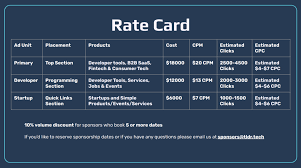
    Small Niche Newsletters (Under 5,000 subscribers): For these, you might find flat fees ranging from $50 to $300 per sponsored mention. Some might offer CPMs around $10-$30. The value here is extreme targeting.

    Mid-Sized Newsletters (5,000 – 50,000 subscribers): This is where you see more variety. CPMs could be anywhere from $20 to $70. CPCs might range from $1 to $5 per click.

    Flat fees could be from $300 to $2,000+ depending on the niche and engagement.

    Large & Popular Newsletters (50,000+ subscribers): These can get expensive fast. CPMs could easily be $50 to $150+. CPCs can climb to $5 to $15+.

    Flat fees for dedicated sends or prominent sponsorships can be $5,000 to $10,000 or much more. Think of major industry newsletters or very popular creator newsletters.

    Performance-Based Deals: If you find one, it’s often a percentage of revenue or a flat fee per lead. This could be 10-30% of sales generated, or $20-$100 per qualified lead.

    Price Range Examples

    Micro-Niche (e.g., 2,000 subs): $75 – $200 flat fee.

    Growing Community (e.g., 15,000 subs): $500 – $2,500 for a sponsored spot (flat fee or based on CPM/CPC).

    Major Industry Leader (e.g., 100,000 subs): $5,000 – $15,000+ for premium placement.

    These numbers are estimates. Always get a media kit or a direct quote. And remember to factor in the potential return on investment (ROI) when evaluating the cost.

    How to Find Good Newsletter Ad Opportunities

    Where do you even start looking? It feels like searching for a needle in a haystack sometimes. But there are smart ways to find newsletters that align with your business and budget.

    It’s about finding your people where they already gather.

    Direct Outreach: If you know of a newsletter that your audience loves, just reach out! Many smaller newsletters don’t have fancy media kits but are open to sponsorships. Look for an “Advertise” or “Sponsor” link in their footer, or simply reply to an issue and ask.

    Newsletter Directories: Websites like Substack Discover, Beehiiv Discover, and others list newsletters. Some also have marketplaces where advertisers can browse and book ad spots. These platforms often provide audience data.

    Third-Party Ad Networks: Some platforms specialize in connecting advertisers with newsletter publishers. Examples include Paved, Hecto, and RedCircle (more for podcasts but sometimes cross-over). They can help you find, book, and track campaigns.

    Social Media & Communities: Creators often promote their newsletters on platforms like Twitter or LinkedIn. You can also find discussions in industry forums or Facebook groups where people recommend newsletters.

    Your Own Audience Research: Ask your current customers or social media followers what newsletters they read. This is gold-standard research because it directly tells you where your audience is spending their time.

    Finding Your Next Newsletter

    Step 1: Identify Your Ideal Subscriber. Who are they? What are their interests?

    Step 2: Search for Niche Newsletters. Use directories, social media, and Google.

    Step 3: Vet Potential Newsletters. Look at their content, engagement, and audience stats.

    Step 4: Reach Out with a Clear Offer. Be specific about what you want to achieve.

    Don’t just go for the biggest names. Sometimes, a smaller, hyper-focused newsletter can deliver much better results for a fraction of the cost. It’s about the quality of the connection.

    Real-World Context: When to Use Newsletter Ads

    So, when does it actually make sense to spend your hard-earned money on a newsletter ad? It’s not a one-size-fits-all solution. There are specific situations where it shines brightest.

    Launching a New Product or Service: If you have something new to tell the world, a well-chosen newsletter can get the word out to an audience that’s already interested in your industry. This is a great way to gain initial traction.

    Driving Traffic to Content: Have a great blog post, a new video, or a valuable guide? Newsletter ads can be an effective way to send engaged readers directly to your valuable content. This builds your authority and can lead to further engagement.

    Promoting Special Offers or Events: Limited-time discounts, webinars, or upcoming conferences are perfect for newsletter ads. The urgency of an email campaign often leads to quick sign-ups or purchases.

    Building Brand Awareness in a Niche: If you want to become known within a specific community, sponsoring a newsletter read by that community is a smart move. It’s about consistent exposure to the right people.

    Reaching a Highly Specific Audience: For businesses serving very particular groups – like specific hobbyists, professionals in a niche field, or users of a certain type of software – targeted newsletters are invaluable. You’re not wasting money on people who will never be customers.

    Scenarios Where Newsletter Ads Excel

    Scenario: Launching an app for indie game developers.

    Newsletter Type: A weekly digest on indie game development news.

    Ad Goal: Drive app downloads and sign-ups.

    Scenario: Promoting a new online course for freelance writers.

    Newsletter Type: A popular newsletter for aspiring and established freelancers.

    Ad Goal: Enroll students in the course.

    The key is that the newsletter’s audience should closely mirror your ideal customer. If there’s a strong overlap, the ad has a much better chance of success.

    What This Means for Your Budget

    Understanding pricing models and typical costs is only half the battle. The real challenge is fitting this into your marketing budget. It requires careful planning and realistic expectations.

    You don’t want to spend money and get nothing back.

    Start Small and Test: If you’re new to this, don’t blow your entire budget on one big campaign. Pick one or two smaller, more affordable newsletters that seem like a good fit. Run a test campaign and see what results you get.

    Track Your Results Religiously: Use unique tracking links (like UTM parameters) for each newsletter ad. This lets you see exactly where your traffic and sales are coming from. Without this, you’re flying blind.

    Analyze ROI (Return on Investment): Did the revenue generated by the ad exceed the ad cost? If you spent $500 and made $1,000 in sales directly attributable to that ad, that’s a good ROI. If you spent $500 and made $100, you need to rethink your strategy.

    Consider the Lifetime Value: Sometimes, an ad might not lead to an immediate sale, but it could bring in a customer who buys from you repeatedly. Think about the long-term value of a new customer, not just the first purchase.

    Negotiate When Possible: Especially for smaller newsletters or if you’re planning multiple campaigns, don’t be afraid to negotiate. You might be able to get a better rate, especially if you can commit to a series of ads.

    Budgeting for Success

    Allocate a Testing Budget: Set aside a specific amount for initial experiments.

    Define Success Metrics: What does a good result look like? (e.g., X clicks, Y sales, Z leads)

    Factor in Ad Creation Time: Writing good ad copy takes time. Include this in your planning.

    Monitor Performance Closely: Don’t set it and forget it. Check your numbers regularly.

    Your budget should be flexible. As you learn what works, you can reallocate funds to the most effective newsletters and ad types. It’s an ongoing learning process.

    Quick Fixes & Tips for Better Results

    Even with a good budget and the right newsletter, your ad copy and offer are critical. A weak ad will underperform, no matter how good the newsletter is. Here are some simple tips to boost your chances of success.

    Craft a Compelling Headline: Your ad’s headline is the first thing people see. Make it clear, benefit-driven, and attention-grabbing. Use numbers or strong action verbs.

    Focus on Benefits, Not Just Features: Instead of saying “Our software has AI integration,” say “Save hours weekly with our smart AI automation.” Tell people how it helps them.

    Use a Clear Call to Action (CTA): What do you want people to do? “Shop Now,” “Learn More,” “Download Your Free Guide,” “Register Today.” Make it obvious and easy to click.

    Create Urgency or Scarcity: If applicable, mention limited-time offers or dwindling stock. “Offer ends Friday!” or “Only 50 spots left!” can drive immediate action.

    Keep it Simple and Scannable: People skim emails. Use short sentences, bullet points, and bold text to highlight key information. Make it easy to understand at a glance.

    Match the Newsletter’s Tone: If the newsletter is casual and friendly, your ad should feel similar. If it’s more formal and professional, adjust your tone accordingly. This builds trust.

    Use Social Proof: If possible, mention testimonials, customer numbers, or awards. “Trusted by over 10,000 users” adds credibility.

    Ad Copy Essentials

    Headline: Grab attention immediately.

    Benefit: Explain how it helps the reader.

    Call to Action: Tell them what to do next.

    Urgency/Scarcity: Encourage quick action (if applicable).

    Clarity: Make it easy to read and understand.

    Think of your ad as a mini-pitch. You have a very short time to convince someone to take the next step. Make every word count.

    Frequently Asked Questions About Newsletter Ad Pricing

    What is the average cost of a newsletter ad?

    The average cost can range from $50 for small, niche newsletters to over $10,000 for very large and popular ones. It heavily depends on audience size, engagement, and niche. A common range for mid-sized newsletters is $500-$2,500.

    Is newsletter advertising a good investment?

    Yes, newsletter advertising can be a highly effective investment if you choose the right newsletters and craft compelling ads. It allows you to reach a targeted, engaged audience who are often actively looking for solutions or new products in their areas of interest.

    How do I know if a newsletter’s audience is right for me?

    Ask the newsletter owner for their audience demographics (age, location, interests, job titles). Review their content to see if it aligns with your brand. Look at their social media presence for clues about their community.

    Ideally, the newsletter’s topic should directly relate to your product or service.

    Should I pay per click (CPC) or per thousand impressions (CPM)?

    If your main goal is direct sales or lead generation and you have a strong offer, CPC can be better because you only pay for interested clicks. If your goal is broader brand awareness and reaching as many relevant people as possible, CPM might be more suitable.

    What are common mistakes people make when buying newsletter ads?

    Common mistakes include not vetting the newsletter’s audience quality, not tracking results, using generic ad copy, not having a clear call to action, and not understanding their own ROI. Focusing only on list size without considering engagement is also a frequent error.

    Can I negotiate newsletter ad prices?

    Yes, negotiation is often possible, especially if you are looking to book multiple ads, a longer-term sponsorship, or if you are working with a smaller newsletter creator. Be polite and professional when making an offer.

    The Bottom Line on Newsletter Ad Costs

    Navigating newsletter ad pricing can feel complex, but it’s manageable. Focus on understanding your audience, researching relevant newsletters, and clearly defining your goals. Don’t be afraid to ask questions and always track your results.

    By approaching newsletter ads strategically, you can find cost-effective ways to connect with new customers and grow your business. It’s about building valuable relationships one email at a time.

  • Sell Digital Products Newsletter

    It’s easy to get lost in the tech. Where do you even start? How do you tell folks about your brilliant creations without sounding like a pushy salesperson?

    You want to build real connections, not just send out spam.

    This is where a good newsletter comes in. It’s like a friendly chat with your audience. It helps you share value, build trust, and yes, sell your digital goods.

    Let’s break down how to make your newsletter a sales powerhouse, the friendly way.

    A newsletter is a powerful tool for selling digital products. It allows you to build a direct relationship with your audience, share valuable content, and promote your offerings over time. By consistently providing value and understanding your subscribers’ needs, you can create a loyal customer base and drive sales for your digital creations.

    What Exactly Is a Digital Product Newsletter?

    Think of a newsletter as a regular email update you send to people who sign up. It’s not just about selling stuff. It’s about sharing useful tips, behind-the-scenes peeks, or inspiring stories related to what you create.

    When you sell digital products, your newsletter becomes your main channel. It’s where you nurture leads. It’s also where you announce new products or special deals.

    You’re building a community, one email at a time.

    Why is this so important? Because people buy from those they know, like, and trust. A newsletter helps build all three.

    You show you’re an expert. You offer help without asking for anything back at first. This builds a strong foundation for sales.

    My First Newsletter Fiasco (And What I Learned)

    I remember when I first decided to sell my photography presets. I’d spent ages crafting them. I thought, “Great!

    I’ll just send out an email blast saying ‘Buy My Presets Now!’” I hit send. Then I waited. And waited.

    Crickets. Absolutely nothing happened.

    I felt a mix of disappointment and a little bit of silly. I’d approached it all wrong. I assumed everyone was ready to buy the instant they heard about my product.

    But people needed more. They needed to see the value. They needed to trust my eye.

    That’s when I realized a newsletter needed to be more than just a sales pitch. It needed stories. It needed helpful hints.

    It needed to feel personal. I started sharing tips on how to use presets, how I found my best shots, and why I loved certain editing styles. Slowly, things began to change.

    Engagement grew. And then, sales followed.

    Getting Started: Your First Steps

    Choose Your Platform: Think email services like Mailchimp, ConvertKit, or ActiveCampaign. These help you manage lists and send emails easily.

    Build Your List: Offer something free, like a checklist or a mini-guide. Put signup forms on your website.

    Plan Your Content: What will you talk about? Mix helpful tips with product news.

    Set a Schedule: Will you email once a week? Twice a month? Be consistent.

    The Power of Content: What to Send

    Your newsletter content is king. It’s what keeps people opening your emails. Think about what your ideal customer is struggling with.

    What questions do they have? What do they want to learn?

    Your digital products solve a problem or offer a benefit. Your newsletter should highlight these benefits and hint at the solution your product offers. But it shouldn’t be a constant advertisement.

    Aim for an 80/20 rule: 80% value, 20% promotion.

    Here are some ideas for great newsletter content:

    • How-To Guides: Show people how to do something related to your niche. If you sell art courses, share a quick drawing tip.
    • Behind-the-Scenes: Let people see the process behind your digital products. This builds connection.
    • Case Studies/Success Stories: Share how someone else benefited from your product. This shows real results.
    • Industry News or Trends: Show you’re knowledgeable about your field.
    • Q&A Sessions: Answer common questions your audience has.
    • Curated Resources: Link to other helpful articles or tools (even if they aren’t yours).

    By sharing valuable content, you become a trusted source. People will look forward to your emails. They’ll be more likely to buy when you do offer a product.

    Content Mix Ideas

    Type: How-To Tutorial

    Goal: Teach a small skill your product enhances.

    Type: Behind-the-Scenes

    Goal: Build personal connection.

    Type: Customer Spotlight

    Goal: Showcase product success.

    Building Your Email List: The Foundation

    You can’t sell through a newsletter if no one is subscribed. Growing your email list is crucial. Think of it as building your audience.

    The more people you reach, the more potential customers you have.

    How do you get people to sign up? You offer them something they want. This is called a lead magnet.

    It’s a free piece of content that people get in exchange for their email address.

    Examples of lead magnets for digital products include:

    • A free chapter of your ebook.
    • A mini-course related to your main course.
    • A checklist or template.
    • A cheat sheet or quick reference guide.
    • A discount code for their first purchase.

    Place signup forms on your website. Make them visible! Use pop-ups (but not too many!), signup boxes in your sidebar or footer, and dedicated landing pages.

    Promote your lead magnet on social media too.

    Remember to segment your list later. You can send different emails to people based on what they signed up for or what they’ve bought. This makes your emails more relevant.

    Effective Lead Magnet Ideas

    For Ebooks: Sample chapter, related short guide, bonus worksheets.

    For Online Courses: Free mini-lesson, resource list, introductory video.

    For Templates/Tools: Basic free version, quick-start guide, usage tips.

    For Planners/Journals: Printable one-page planner, daily gratitude prompts.

    Designing Your Emails for Engagement

    Once you have subscribers, you need to make sure they open and read your emails. This is about email design and copy.

    Subject Lines: This is the first thing people see. Make it compelling! Use curiosity, urgency, or a clear benefit.

    Keep it short. Emojis can help too, but use them wisely.

    Email Body: Keep it simple and clean. Use short paragraphs. Use headings and bullet points to break up text.

    Include a clear call to action (CTA). What do you want them to do next?

    Branding: Use your brand colors and logo. This makes your emails look professional and familiar.

    Mobile-Friendly: Most people check emails on their phones. Make sure your emails look good on a small screen. Most email platforms do this automatically, but always test!

    It’s about making it easy to read and understand. If your email is a wall of text, people will skip it. Good design guides the reader’s eye to the important stuff.

    Quick Email Anatomy

    Subject Line: Grab attention instantly.

    Preheader Text: A short snippet visible in the inbox. Complement the subject line.

    Greeting: Personalize it if you can (e.g., “Hi Sarah,”).

    Main Content: Provide value, tell a story, or make an offer.

    Call to Action (CTA): A clear button or link telling them what to do next.

    Sign-off: A simple closing.

    Storytelling in Your Newsletter

    People connect with stories. They remember them. Using stories in your newsletter makes it more engaging.

    It makes your brand more human.

    Think about your own journey. What challenges did you face? How did you overcome them?

    How did your digital product come to be? Share these tales. They can be about the creation process, a moment of inspiration, or a customer’s success.

    For example, if you sell a time-management ebook, you could share a story about a time you felt overwhelmed and how a new system helped you. Or you could share how a reader used your ebook to reclaim hours in their week.

    Stories help people see themselves in your message. They make your products feel more relevant to their lives. Don’t be afraid to be a little vulnerable.

    Authenticity is key.

    Nurturing Your Leads: The Long Game

    Not everyone who signs up for your newsletter is ready to buy right away. That’s totally fine. Your newsletter is perfect for lead nurturing.

    This means building a relationship over time.

    You send valuable emails regularly. You answer questions. You solve problems.

    You establish yourself as the go-to person in your niche.

    When you consistently provide value, subscribers start to see you as an expert. They begin to trust your recommendations. When you finally launch a product or promote an existing one, they’re much more likely to consider it.

    This takes time. It’s not about instant sales. It’s about building a loyal following.

    Over weeks and months, your consistent efforts will pay off. People will be eager to see what you offer because they know it will be good.

    Nurturing Sequence Ideas

    Welcome Email: Introduce yourself and what to expect.

    Value Email 1: Share a useful tip or guide.

    Value Email 2: Tell a relatable story.

    Product Introduction: Gently introduce a relevant product.

    Problem/Solution Email: Highlight a pain point your product solves.

    Social Proof Email: Share a testimonial or success story.

    The Art of the Sales Pitch in Your Newsletter

    When it’s time to sell, do it with grace. Remember that 80/20 rule. Your promotional emails should feel like a natural next step for your subscribers.

    Focus on Benefits, Not Just Features: Instead of saying “This ebook has 10 chapters,” say “This ebook will help you finally organize your chaotic schedule and save you 5 hours a week.”

    Create Urgency or Scarcity (When Appropriate): Limited-time discounts or bonuses can encourage action. Use these sparingly and honestly.

    Clear Call to Action (CTA): Make it super clear what you want them to do. Use a button like “Get the Ebook Now” or “Enroll in the Course.”

    Address Objections: Think about what might stop someone from buying. Is it price? Time?

    Fear of not being good enough? Address these gently in your email copy.

    I learned this when promoting my second online course. I’d previously just said, “It’s a great course.” This time, I wrote an email that painted a picture of what life would be like after taking the course. I described the feeling of confidence and accomplishment.

    I shared a specific lesson from the course and how it directly solved a common problem. The response was much better.

    Segmentation: Sending the Right Message to the Right People

    Not all subscribers are the same. Some might be interested in your beginner ebook, while others are ready for your advanced course. Segmentation is key to making your newsletters super effective.

    How do you segment? You divide your list into smaller groups based on certain criteria. Common ways to segment include:

    • Signup Source: Where did they join your list from? (e.g., a specific lead magnet).
    • Purchase History: What have they bought from you before?
    • Interests: What topics do they seem most interested in? (You can track this by what links they click).
    • Engagement Level: How often do they open your emails?

    Sending targeted emails means your messages are more relevant. This leads to higher open rates, more clicks, and better sales. It also feels less like you’re shouting at everyone and more like you’re having a specific conversation.

    Segmentation Examples

    Segment: New Subscribers

    Emails: Welcome series, introduction to your core offerings.

    Segment: Purchased Ebook A

    Emails: Advanced tips related to Ebook A, promotion for Ebook B.

    Segment: Highly Engaged Subscribers

    Emails: Early access to new products, exclusive webinars.

    Tracking Your Success: What the Numbers Tell You

    You’re sending great content and making offers. But how do you know if it’s working? You need to look at your email marketing stats.

    Key metrics to watch include:

    • Open Rate: The percentage of people who opened your email. This tells you if your subject lines are good.
    • Click-Through Rate (CTR): The percentage of people who clicked on a link in your email. This shows if your content and CTAs are engaging.
    • Conversion Rate: The percentage of people who completed a desired action (like buying a product) after clicking. This is the ultimate measure of sales success.
    • Unsubscribe Rate: The percentage of people who opted out. A high rate might mean your content isn’t relevant or you’re sending too often.

    Most email marketing platforms provide these numbers. Review them regularly. See what works and what doesn’t.

    For instance, if emails with a specific type of subject line always get high open rates, do more of that. If a certain CTA button gets lots of clicks, keep using similar ones.

    I noticed that my emails with a clear question in the subject line performed much better. Something like, “Are You Making This Common Mistake?” I started using more of those, and my open rates jumped. It showed me my audience wanted to be addressed directly with their problems.

    Automating Your Newsletter for Efficiency

    As your business grows, sending emails manually can become a huge time sink. This is where automation comes in handy. Email marketing platforms allow you to set up automated email sequences.

    Welcome Series: As soon as someone signs up, they automatically get a series of emails. This is perfect for introducing new subscribers to your brand and offerings.

    Nurture Sequences: You can set up a series of emails that go out over time, providing value and building relationships.

    Abandoned Cart Emails: If someone adds a product to their cart but doesn’t buy, an automated email can remind them. This is very effective for sales.

    Automation frees you up to focus on creating great products and more content. It ensures that every subscriber gets a consistent experience, even when you’re busy. It’s like having a silent assistant working for you 24/7.

    Automation Workflow Examples

    Trigger: New subscriber

    Action: Send welcome email, then a value email 2 days later, then an intro to a product 3 days after that.

    Trigger: Subscriber clicks link to product page but doesn’t buy

    Action: Send reminder email 24 hours later with a special offer.

    Trigger: Subscriber hasn’t opened email in 30 days

    Action: Send a re-engagement email, or move them to a re-engagement list.

    When to Send Promotional Emails

    The timing of your sales emails matters. You don’t want to hit your subscribers with a sales pitch on their birthday, unless it’s a very special offer.

    Consider these points:

    • After Value: Send promotions after you’ve provided a good chunk of value. People are more receptive when they feel they’ve already gained something.
    • Product Launches: Build anticipation leading up to a launch. Then, send a series of emails during launch week, highlighting benefits and urgency.
    • Special Events: Tie promotions to holidays, seasons, or industry events.
    • Segmented Offers: If you know a segment of your list is interested in a specific product, offer it to them when it’s relevant.

    It’s a delicate balance. Too many sales emails, and people will unsubscribe. Too few, and you won’t make any money.

    Experiment to find what works for your audience. Pay attention to your metrics!

    Common Pitfalls to Avoid

    Even with the best intentions, it’s easy to fall into newsletter traps. Here are a few to watch out for:

    • Inconsistency: Sending emails sporadically confuses your audience. Pick a schedule and stick to it.
    • Too Much Selling: As mentioned, this is a fast track to unsubscribes. Always provide value first.
    • Ignoring Data: Not looking at your analytics means you’re flying blind. Learn what your audience likes.
    • Poor Mobile Experience: If your emails look bad on phones, many people won’t read them.
    • Generic Content: Sending the same email to everyone. Segmentation makes your messages more impactful.
    • Buying Email Lists: Never do this. It’s bad for deliverability, damages your sender reputation, and most people just delete them.

    I once saw a fellow creator send out a newsletter every single day for a week, and every single one was a direct sales pitch. It was overwhelming. People started unsubscribing in droves.

    It was a hard lesson in pacing and value.

    Things to Steer Clear Of

    Bad Habit: Sending only sales emails.

    Why: Annoyance and unsubscribes.

    Bad Habit: Inconsistent sending.

    Why: Subscribers forget about you.

    Bad Habit: Not checking analytics.

    Why: You don’t know what’s working.

    Bad Habit: Generic, one-size-fits-all messages.

    Why: Low engagement and relevance.

    The Long-Term Vision: Newsletter as a Business Asset

    Your newsletter isn’t just a marketing tool; it’s a valuable business asset. It’s a direct line to your most engaged fans. It’s a way to build lasting relationships.

    Over time, you’ll learn what resonates with your audience. You’ll get feedback. You’ll understand their needs better.

    This information is gold. It can help you improve your existing products and create new ones that people truly want.

    Think of it as your own little media channel. You control the message. You control the audience.

    This is powerful. It’s less reliant on algorithms of social media platforms. It’s a stable, predictable way to connect and sell.

    By consistently showing up, providing value, and being authentic, you’re not just selling digital products; you’re building a loyal community around your brand. And that’s the foundation of a sustainable, thriving business.

    Frequently Asked Questions

    How often should I send emails?

    It depends on your audience and what you can consistently provide. Many businesses find success sending once a week or twice a month. The key is consistency.

    Choose a schedule you can stick to.

    What if I don’t have a lot of content to share?

    Focus on quality over quantity. Even one really helpful email a month is better than four mediocre ones. Repurpose content you already have, share curated links, or interview a customer.

    How do I get people to open my emails?

    Craft compelling subject lines that create curiosity or offer a clear benefit. Personalize emails when possible. Make sure your sender name is recognizable and trustworthy.

    Test different subject lines to see what works best.

    Is it okay to promote my digital products in every email?

    Generally, no. A good rule is the 80/20 principle: 80% value-driven content and 20% promotional content. If you promote too often, subscribers may feel bombarded and unsubscribe.

    What is the best way to sell digital products through a newsletter?

    Build a relationship first by providing value. Then, introduce your products by highlighting the benefits they offer and how they solve problems. Use clear calls to action and make the buying process easy.

    How do I measure if my newsletter is successful?

    Track key metrics like open rates, click-through rates, conversion rates, and unsubscribe rates. These numbers will tell you what’s working and what’s not, helping you refine your strategy.

    Conclusion

    Using a newsletter to sell digital products is a smart, sustainable strategy. It’s about building genuine connections. It’s about sharing value before asking for a sale.

    By being consistent, offering great content, and understanding your audience, you can turn your subscribers into loyal customers. Happy emailing!

  • Best Newsletter Platforms To Monetize

    It can feel tough when you’re pouring your heart into a newsletter. You share your ideas, your passion, and your time. You build a community.

    Then comes the big question: how do you make some money from it? It’s a common puzzle for creators. But don’t worry, you’re not alone.

    There are great tools out there to help. We’ll look at the best newsletter platforms that make earning money simpler. This way, you can focus on what you do best.

    The best newsletter platforms to monetize your email list offer tools for subscriptions, paid content, and direct sales. They help you connect with your audience and earn revenue smoothly.

    Understanding Newsletter Monetization

    Making money from your newsletter isn’t just about sending emails. It’s about building a real connection with your readers. Think of your newsletter as a special club.

    Your members want to be there. They like what you share. Monetizing means giving them more value.

    It also means you get rewarded for your hard work and expertise. There are many ways to do this. Some platforms make it very easy.

    It’s not just about ads. It’s about offering something extra. This could be premium content.

    It might be early access. Or perhaps it’s a special community. The best platforms help you manage all of this.

    They handle payments and member access. This lets you focus on your content.

    Your goal is to find a platform that fits your style. It should also fit your audience. Some creators want simple ways to earn.

    Others need more advanced features. We’ll explore options that cover many needs. The key is to choose a tool that grows with you.

    Why Choose a Dedicated Monetization Platform?

    You might think, “Can’t I just use a free email service?” While free services are great for sending emails, they often lack the tools for making money. They might not handle paid subscriptions well. They might not offer ways to gate content.

    Trying to build this yourself can be very hard.

    Dedicated platforms are built for this. They have built-in features for payments. They manage different membership levels.

    They also help you understand your audience better. This helps you create content they’ll pay for. These platforms also tend to be more reliable.

    They handle the technical side of things.

    Think about security and payment processing. These platforms take care of it. You don’t have to worry about setting up complex systems.

    This saves you time and stress. It helps you feel more confident as a creator.

    Key Features for Monetizing Your Newsletter

    When you look at different platforms, keep these features in mind. They are the building blocks for making money.

    Essential Monetization Tools

    • Paid Subscriptions: Allow readers to pay a recurring fee for access.
    • Tiered Memberships: Offer different levels of access or benefits for different prices.
    • One-Time Purchases: Sell access to specific articles, courses, or digital products.
    • Digital Product Sales: Integrate with shops to sell ebooks, templates, or other goods.
    • Community Access: Create private forums or groups for paying members.
    • Analytics: Track subscriber growth, revenue, and engagement.
    • Simple Payouts: Easy ways to get your earnings.

    Having these tools in one place is a game-changer. It simplifies your entire operation. You can offer value to your loyal readers.

    They get exclusive content. You earn income from your efforts.

    Exploring Top Newsletter Platforms for Monetization

    Let’s dive into some of the best platforms available. Each has its strengths. Finding the right one depends on your specific needs.

    Substack: Simplicity and Creator Focus

    Substack is a name many creators know. It focuses on making it easy to get paid. You can offer free or paid newsletters.

    Readers can subscribe to either. The platform handles all the payment processing for you. They take a cut of your earnings.

    But this means you don’t have to worry about the technical bits.

    Substack is great for writers. It’s built around long-form content. You can publish articles, essays, and stories.

    Your paid subscribers get them directly in their inbox. It feels very personal.

    I remember starting out and feeling overwhelmed. Substack felt like a breath of fresh air. It had a clean interface.

    I could set my price and start taking payments quickly. My first few paid subscribers felt like a huge win. It showed people valued what I was creating enough to pay for it.

    That early success gave me a lot of motivation.

    One of the things I love about Substack is its discovery feature. Sometimes, new readers find your work through the platform itself. This can lead to organic growth.

    It’s a nice bonus when you’re just starting to monetize.

    Substack at a Glance

    • Ease of Use: Very simple to set up and start publishing.
    • Monetization: Primarily paid subscriptions.
    • Pricing: A percentage of your earnings (typically 10%).
    • Best For: Writers, journalists, and creators focused on text-based content.
    • Pros: Easy setup, built-in discovery, handles payments.
    • Cons: Limited customization, revenue share.

    If you want a straightforward way to start charging for your newsletter, Substack is a strong contender. It lets you focus on writing. The money side is mostly handled.

    ConvertKit: Power for Creators

    ConvertKit is built specifically for creators. It has robust email marketing tools. It also has great features for selling digital products.

    You can sell directly through ConvertKit. This includes things like courses, ebooks, and bundles.

    For newsletters, you can set up paid subscriptions. You can create different tiers. This lets you offer more value to dedicated fans.

    ConvertKit is known for its good deliverability. Your emails are more likely to reach inboxes.

    I’ve used ConvertKit for a few of my projects. What stood out was how easy it was to set up automated sequences. For monetization, this means you can welcome new paid subscribers with a special email series.

    You can also offer them exclusive content automatically. It makes the experience feel very professional for them.

    I recall a time I wanted to launch a small ebook with my newsletter. ConvertKit made it so simple. I uploaded the file, set a price, and linked it to a signup form.

    When someone bought it, they got the download link. It felt very seamless. This kind of integration is vital when you’re trying to earn money.

    ConvertKit’s Strengths

    • All-in-One Creator Tool: Email marketing, landing pages, and e-commerce.
    • Monetization: Paid subscriptions, digital product sales, courses.
    • Pricing: Starts with a free plan for up to 1,000 subscribers. Paid plans vary.
    • Best For: Bloggers, authors, online course creators, and businesses wanting to sell digital products.
    • Pros: Powerful automation, great for selling products, good deliverability.
    • Cons: Can be more complex than Substack, higher price point for advanced features.

    If you plan to sell more than just newsletter access, like ebooks or courses, ConvertKit is a fantastic choice. It’s a powerful tool for creators of all types.

    Ghost: Open-Source Powerhouse

    Ghost is a bit different. It’s an open-source platform. This means you have more control.

    You can host it yourself, or use their managed Ghost(Pro) service. Ghost is designed for publishers. It has excellent features for memberships and paid content.

    You can create free and paid tiers. It supports Stripe for payments, which is widely used and trusted. Ghost is also known for its clean design and fast loading speeds.

    This is great for reader experience.

    I explored Ghost when I wanted maximum control over my site. The idea of owning all my data was appealing. Setting up membership levels felt very intuitive.

    You can even build a private area for your paid members. This is perfect if you want to offer exclusive resources.

    What I really appreciated about Ghost was its focus on the reader. The reading experience is superb. Articles load fast.

    The design is clean. When you’re asking people to pay, you want to give them the best possible experience. Ghost certainly delivers on that front.

    It feels like a premium product even when it’s open-source.

    Ghost: Control and Performance

    • Flexibility: Open-source with options for self-hosting or managed service.
    • Monetization: Paid subscriptions, membership tiers.
    • Pricing: Free to use (if self-hosted). Ghost(Pro) starts around $9/month. Transaction fees apply via Stripe.
    • Best For: Publishers, serious bloggers, and those wanting full control over their platform.
    • Pros: Highly customizable, excellent reader experience, full data ownership.
    • Cons: Can require more technical setup if self-hosting, managed service has costs.

    Ghost is a great option if you want a professional-looking site. You want control over your content. You are willing to invest a little more time or money into your setup.

    MailerLite: Affordability Meets Functionality

    MailerLite is known for being user-friendly and affordable. It offers a free plan that’s quite generous. As you grow, their paid plans are also very competitive.

    MailerLite has expanded its features to include e-commerce and subscriptions.

    You can sell digital products. You can also set up paid newsletters. It has a drag-and-drop editor that makes creating emails simple.

    MailerLite focuses on helping small businesses and creators grow.

    I’ve recommended MailerLite to friends starting out. They often feel intimidated by complex tools. MailerLite makes things feel accessible.

    I helped a friend set up a paid newsletter with them. She was thrilled with how easy it was to create beautiful emails. She could also set up a system for her paid subscribers.

    The dashboard felt clean and easy to navigate.

    She mentioned that the support was also very helpful. When she had a question about setting up her subscription form, the support team responded quickly. This kind of help is invaluable when you’re trying to manage multiple things at once.

    Having a reliable support system can make all the difference.

    MailerLite: Budget-Friendly Power

    • User-Friendly: Simple drag-and-drop editor.
    • Monetization: Paid subscriptions, digital product sales.
    • Pricing: Generous free plan. Paid plans start at $10/month.
    • Best For: Small businesses, freelancers, and creators on a budget who need solid email marketing and monetization.
    • Pros: Affordable, easy to use, good features for the price, helpful support.
    • Cons: Less advanced automation than some competitors, monetization features are newer.

    If you’re looking for an affordable platform that offers good monetization tools, MailerLite is worth a very close look. It provides a lot of value for its price.

    Patreon: Community and Membership Focused

    Patreon is a bit different from traditional newsletter platforms. It’s primarily a platform for creators to get support from their fans. While not strictly a newsletter service, many creators use it to send out updates.

    You can link your Patreon to your newsletter efforts.

    Patreon excels at building a community around your work. You can offer different membership tiers with exclusive perks. These perks can include behind-the-scenes content, Q&As, or early access.

    You can also send direct messages and posts to your patrons.

    I’ve been a patron for several creators on Patreon. I love getting those exclusive updates. It feels like I’m directly supporting their work.

    For creators, it’s a way to build a loyal base of support. They often share links to their newsletters or other work within Patreon.

    One creator I follow uses Patreon to share early drafts and asks for feedback. This makes patrons feel involved. They then share the final newsletter with everyone, but the patrons get a special preview.

    It’s a smart way to engage your most dedicated fans and still offer value to free readers.

    Patreon: Fan Support and Community

    • Primary Focus: Fan support and membership community.
    • Monetization: Tiered monthly memberships.
    • Pricing: Takes a percentage of earnings (starts at 5% for most creators).
    • Best For: Artists, musicians, podcasters, writers, and anyone who wants direct fan support.
    • Pros: Strong community features, direct fan engagement, recurring income.
    • Cons: Not a dedicated email marketing platform, content delivery might be less direct for newsletters.

    If your main goal is to build a strong community and receive ongoing support from your biggest fans, Patreon is a fantastic tool. You can then use a separate email service to manage your broader newsletter list.

    Beehiiv: The New Contender with Advanced Features

    Beehiiv is a newer platform that has quickly gained popularity. It’s built with monetization in mind from the start. It offers features like paid subscriptions, tiered memberships, and even an ad network.

    This ad network can help you monetize your newsletter in a new way.

    Beehiiv allows for deep customization. You can create beautiful landing pages and newsletters. It also has advanced analytics to help you understand your audience.

    Their goal is to provide a robust toolkit for serious newsletter growth.

    I’ve been experimenting with beehiiv recently. The interface feels very modern. I was impressed with how easily I could set up different subscription tiers.

    Each tier had its own set of benefits. The ability to integrate with other tools was also a big plus. It feels like a platform that’s constantly evolving.

    What really caught my eye was their focus on creator tools beyond just sending emails. They have features for growth and monetization that are quite advanced. For example, their referral program tools can help you grow your subscriber base.

    That, combined with paid options, creates a powerful ecosystem. It’s definitely one to watch.

    Beehiiv: Modern Monetization and Growth

    • Advanced Features: Paid subscriptions, ad network, referral programs.
    • Monetization: Multiple revenue streams.
    • Pricing: Starts with a free plan. Paid plans offer more features.
    • Best For: Creators focused on growth and exploring diverse monetization strategies.
    • Pros: Feature-rich, modern interface, multiple monetization options, good analytics.
    • Cons: Newer platform, still developing some features, might be more than beginners need.

    For creators looking for a platform that offers cutting-edge monetization tools and growth features, beehiiv is a very strong option. It’s designed for the modern newsletter creator.

    Choosing the Right Platform for You

    So, how do you pick the best one? It’s not a one-size-fits-all answer. Think about these questions:

    Your Decision Checklist

    • What is your primary goal? Just paid subscriptions? Or selling courses and products too?
    • How technical are you? Do you want simple or advanced customization?
    • What is your budget? Are you looking for free options or can you invest?
    • How important is community? Do you want built-in community features?
    • What is your content style? Long-form articles? Short updates? Visuals?

    For example, if you’re a writer who just wants to earn from your articles, Substack is hard to beat for simplicity. If you’re an educator planning to sell online courses and build an email list, ConvertKit might be better.

    If you want full control and a professional website, Ghost is excellent. For budget-conscious creators needing solid tools, MailerLite is a great start. If community and fan support are key, Patreon is a good fit.

    And if you’re ready for advanced growth and monetization tools, beehiiv is a top choice.

    Real-World Monetization Strategies

    Once you have your platform, how do you actually make money? Here are some common strategies:

    Smart Ways to Earn from Your Newsletter

    • Premium Content: Offer exclusive articles, deep dives, or behind-the-scenes looks to paid subscribers.
    • Early Access: Let paid members see your content before anyone else.
    • Exclusive Community: Create a private Slack, Discord, or forum for paying members.
    • Digital Products: Sell ebooks, templates, printables, or workshops.
    • Courses & Coaching: Offer paid online courses or one-on-one coaching sessions.
    • Affiliate Marketing: Recommend products or services you use and trust, and earn a commission.
    • Sponsorships: Partner with brands that align with your audience for sponsored content.

    It’s important to offer genuine value. Your readers should feel like they are getting more than their money’s worth. This builds trust and encourages long-term subscriptions.

    What This Means for Your Newsletter Journey

    Having the right platform can transform your newsletter from a hobby into a sustainable venture. It means your passion can support you. It allows you to keep creating valuable content for your audience.

    The key is to start with a platform that matches your current needs. Then, be open to switching or upgrading as you grow.

    Don’t feel pressured to use the most complex tool right away. Many creators start simple and build from there. The most important part is to create great content.

    Your audience will follow. When they see the value, they’ll be more willing to support you financially.

    Remember that building a paid subscriber base takes time. Be patient. Keep delivering quality.

    Engage with your readers. The rewards will come. And having the right platform makes that journey much smoother.

    Quick Tips for Newsletter Monetization Success

    Here are some quick tips to keep in mind:

    Monetization Quick Hits

    • Be Transparent: Clearly explain what paid subscribers get.
    • Offer Value: Ensure paid content is truly valuable and unique.
    • Promote Your Paid Tiers: Mention them in free newsletters.
    • Engage Your Audience: Respond to comments and emails.
    • Track Your Results: Use analytics to see what works.
    • Don’t Be Afraid to Experiment: Try different pricing or content ideas.

    These small steps can make a big difference in how successful you are.

    Frequently Asked Questions About Newsletter Monetization Platforms

    What is the easiest way to start monetizing a newsletter?

    The easiest way is often with platforms like Substack. You set a price, and they handle the payments and delivery for you. This means less technical setup.

    Can I use a free platform to monetize my newsletter?

    While some platforms offer free plans (like MailerLite or beehiiv’s basic tier), they often have limits. To fully monetize with paid subscriptions or digital products, you’ll likely need a paid plan eventually. Free plans are great for starting to build your list.

    How much should I charge for a paid newsletter subscription?

    This varies greatly. Consider the value you provide, your audience size, and what similar newsletters charge. Many start between $5 and $10 per month.

    Some offer annual discounts.

    What is the difference between a paid newsletter and a membership site?

    A paid newsletter primarily delivers content via email. A membership site often offers more: a community forum, exclusive resources, courses, or a private area on a website, along with email updates.

    How do I get people to subscribe to a paid newsletter?

    Show them the value! Offer a mix of free and paid content. Clearly explain the benefits of subscribing to the paid tier.

    Build trust and rapport with your audience first.

    Can I use multiple platforms for my newsletter and monetization?

    Yes, you can. For example, you might use a dedicated email service like ConvertKit to build your list and send free newsletters. Then, you could use a platform like Patreon or set up paid memberships directly on your website using tools like Ghost.

    Conclusion: Your Path to a Monetized Newsletter

    Building a successful monetized newsletter is a journey. It requires great content, a connected audience, and the right tools. The platforms we’ve discussed offer excellent ways to achieve this.

    Choose one that aligns with your goals and comfort level. With dedication and the right platform, your newsletter can become a rewarding source of income and connection.

  • How Much Do Newsletters Make

    It’s a question many creators ponder as they build their email lists: “Can my newsletter actually make money?” You pour your heart and soul into crafting content, building a community, and watching those subscriber numbers grow. It feels amazing, but the practical side whispers, “What’s the real earning potential here?”

    Many people start newsletters with a passion for a topic. They want to share what they know. Then, they hear about others making a living from them.

    This sparks curiosity. It also brings a dose of reality. How much money are we really talking about?

    Is it a side hustle, or can it replace a full-time job? Let’s break it down.

    Newsletters can make anywhere from $0 to tens of thousands of dollars per month. The amount depends heavily on subscriber count, engagement rates, monetization methods, niche, and the value offered. Many start small, with creators earning their first dollars through affiliate links or small sponsorships, growing into significant income as their audience and influence expand.

    What Makes a Newsletter Earn Money?

    Think of your newsletter as a tiny, powerful business. It’s not just about sending emails. It’s about building relationships.

    It’s about offering value that people trust. When people trust you, they listen. They pay attention to what you recommend.

    This trust is the bedrock of earning.

    Several key things make a newsletter profitable. Subscriber numbers are big. But they aren’t everything.

    An engaged list is much better. Engaged means people open your emails. They click links.

    They might even reply. A small, super-engaged list can earn more than a huge, quiet one.

    The topic you write about matters too. Some topics are more commercial. For instance, business or finance newsletters might attract advertisers easily.

    A niche hobby newsletter might have a very dedicated audience willing to pay for special content.

    How Newsletters Actually Make Money

    There are many ways to turn your newsletter into an income stream. It’s rare for a newsletter to use just one method. Most successful ones blend a few.

    This keeps income diverse and stable. Let’s look at the most common ways.

    Monetization Methods Explained

    When you start thinking about money, you need concrete ways to get paid. These are the tools in your creator toolkit. Each has its own strengths and how much it can earn.

    1. Paid Subscriptions

    This is direct. People pay a recurring fee to get your newsletter. They might pay monthly or yearly.

    This works best when you offer unique, high-value content. Think exclusive articles, deep dives, or special reports. It requires a commitment from you to consistently deliver premium content.

    For example, a financial analyst might offer a paid newsletter with stock tips. A chef could share advanced recipes and cooking techniques. The key is to offer something people can’t easily get elsewhere.

    And it must be worth the price they pay.

    2. Sponsorships and Advertising

    Companies pay you to put their message in your newsletter. This is a very popular method. Advertisers want to reach your audience.

    They see your list as a direct line to potential customers. You can charge a flat fee per send. Or, you can charge based on how many people see the ad.

    Pricing often depends on your subscriber count and engagement. A newsletter with 10,000 engaged subscribers can charge more than one with 1,000. Some platforms help you find sponsors.

    You can also reach out to brands directly.

    I remember getting my first sponsorship offer. It was for a small tech gadget. I was so excited!

    It wasn’t a huge amount of money. But it felt like a huge validation. It showed that my work had commercial value.

    The ad was for a product I actually liked. So, it felt natural to share it with my readers.

    In real homes, this looks like an ad for a service that helps busy parents. Or a product for gardeners if your newsletter is about plants. The ad should fit the newsletter’s theme.

    Otherwise, it feels out of place. This can annoy your readers.

    3. Affiliate Marketing

    You recommend products or services. If someone buys through your special link, you get a small commission. This is like being a trusted friend giving a recommendation.

    You only earn if they make a purchase.

    This works well for product reviews or tutorials. If you write about hiking gear, you can link to specific backpacks or boots. If you write about software, you can link to tools you use.

    Honesty is key here. Only recommend things you truly believe in.

    I often use affiliate links for books I recommend. I’ll write a short review. Then, I’ll add a link to buy it on Amazon.

    If someone buys the book, I get a small percentage. It adds up over time, especially for popular recommendations.

    4. Selling Your Own Products or Services

    This is often the most profitable. You can sell digital products like e-books, courses, or templates. You can also sell physical merchandise.

    Or, you can offer services like coaching, consulting, or freelance work.

    Your newsletter becomes the perfect place to market these offerings. You already have an audience that trusts you. They know your expertise.

    Selling directly to them is much easier. It cuts out middlemen. This means more profit for you.

    Many creators start by selling a simple e-book. It’s a good way to test the market. If it sells well, they might develop a full online course.

    Your newsletter subscribers are your most loyal customers. They are the first to know about new products.

    5. Donations or Tips

    Some creators simply ask their readers to support their work. Platforms like Patreon or Buy Me a Coffee make this easy. Readers can give one-time tips or set up recurring donations.

    This is less about direct sales. It’s more about community support.

    This model works best for content that has a strong community feel. Think of artists, writers, or educators who provide a lot of free value. It’s a way for fans to show appreciation.

    And it helps sustain the creator’s efforts.

    I’ve seen many writers use this. They share a weekly essay. They don’t ask for money directly.

    But at the end, they might say, “If you found this helpful, consider buying me a coffee.” It’s a gentle nudge. It works for them because their writing is genuinely useful.

    Newsletter Earning Factors at a Glance

    Audience Size: More subscribers often means more potential income.

    Engagement Rate: Open rates and click-through rates are crucial.

    Niche: Some niches are more lucrative for advertisers and sellers.

    Monetization Strategy: How you choose to earn money matters.

    Content Quality: High-value content keeps readers coming back.

    Consistency: Regular publishing builds trust and habit.

    How Much Can a Newsletter Actually Make? The Numbers

    This is where it gets interesting. The range is vast. A brand new newsletter might make $0 for months.

    A mature, well-run newsletter can earn six figures annually, or even more.

    Let’s break it down by subscriber count. These are rough estimates. They can vary wildly.

    But they give you a general idea.

    New Newsletters (Under 1,000 Subscribers)

    At this stage, your focus is on growth and building an audience. Earning potential is very low, often $0-$50 per month. Your main goal is to provide value and encourage sign-ups.

    If you do try to earn, it will likely be through affiliate marketing. You might promote a tool you use. Or maybe a book.

    You’d be lucky to make $10-$20 from a few sales. Sponsorships are unlikely at this size unless you have a super-niche, highly engaged audience.

    I started my first newsletter with no idea about making money. For the first six months, I just wrote. I focused on helping people understand a complex topic.

    I was thrilled when my first two subscribers clicked an affiliate link for a book. It was $3 total. But it felt like a million bucks.

    Growing Newsletters (1,000 – 10,000 Subscribers)

    This is where things start to pick up. You can potentially earn $50 – $1,000+ per month. Affiliate marketing can become more substantial.

    You might start getting small sponsorship offers. You could also begin selling a low-priced digital product, like a checklist or template.

    Let’s say you have 5,000 subscribers. Your open rate is 30% (1,500 people). You might get a sponsorship offer for $100-$300 per email.

    If you do two sponsorships a month, that’s $200-$600. Affiliate sales might add another $50-$100. Selling a $10 e-book to 0.5% of your list (25 people) is another $250.

    Some newsletters in this range start offering paid tiers. If 50 people pay $5/month for exclusive content, that’s $250/month. This requires you to create that extra content consistently.

    It’s a lot of work, but it builds a predictable income stream.

    Earning Potential by Subscriber Count (Estimated Monthly)

    • 0 – 1,000: $0 – $50 (Focus on growth & value)
    • 1,000 – 5,000: $50 – $500 (Affiliate, small sponsorships, first product)
    • 5,000 – 10,000: $500 – $2,000 (More sponsorships, paid tiers, better products)
    • 10,000 – 50,000: $2,000 – $10,000+ (Established advertisers, premium products, services)
    • 50,000+: $10,000 – $100,000+ (Large brand deals, courses, agencies)

    Established Newsletters (10,000 – 50,000 Subscribers)

    This is where a newsletter can become a significant income source. Many creators in this range earn $2,000 – $10,000+ per month. Sponsorships become more lucrative.

    You can command higher prices for ads. You can also launch more substantial products, like online courses or membership sites.

    Consider a newsletter with 20,000 subscribers. An average sponsorship might be $500-$1,000. If you run one sponsored ad per week, that’s $2,000-$4,000 per month from ads alone.

    Selling a $199 course to 1% of your list (200 people) could bring in nearly $40,000 in a launch month.

    Paid subscriptions can also be a big earner. If 5% of your 20,000 subscribers ($10/month) pay, that’s 1,000 people paying $10, totaling $10,000 per month. This requires a strong community and consistent value.

    In my own journey, crossing the 10,000 subscriber mark was a turning point. The quality of sponsorship inquiries increased. Brands were more willing to pay premium rates.

    I also felt confident enough to launch my first paid workshop. It sold out quickly. That experience proved that my audience was ready to invest in my expertise.

    Large Newsletters (50,000+ Subscribers)

    These are the powerhouses. Newsletters with this many engaged subscribers can generate serious income, often $10,000 to $100,000+ per month, or even millions annually. They attract major advertisers.

    They sell high-ticket products and services. They might even build entire businesses around their newsletter.

    Think about newsletters like Morning Brew or The Hustle. They started as simple email digests. Now, they are massive media companies.

    They have huge teams, multiple revenue streams, and reach millions of people.

    These newsletters often have dedicated sales teams for sponsorships. They might have premium content sections, live events, and lucrative partnerships. The key here is scale and brand recognition.

    They have built a strong reputation over years.

    Factors Affecting Newsletter Income

    Subscriber count is a big part of the story. But it’s not the whole book. Many other things play a role in how much a newsletter makes.

    Key Factors for Newsletter Earnings

    Engagement Rate

    Open rates and click-through rates show reader interest. High engagement means advertisers pay more.

    Niche & Audience Demographics

    Certain audiences (e.g., tech professionals, business owners) are highly valued by advertisers.

    Content Quality & Uniqueness

    Original, insightful content keeps readers subscribed and willing to pay or buy.

    Consistency & Reliability

    Publishing on a regular schedule builds trust and habit. Readers expect you.

    Monetization Mix

    Using multiple income streams provides stability and growth potential.

    Creator’s Authority & Trust

    Readers are more likely to buy from or trust recommendations from someone they see as an expert.

    Engagement is King

    A newsletter with 10,000 subscribers where only 100 people open the email is worth very little to an advertiser. A newsletter with 1,000 subscribers where 800 people open and 300 click links is incredibly valuable. Advertisers and sponsors pay for eyeballs and action.

    This is why I always tell new creators to focus on engagement. Ask questions in your emails. Run polls.

    Respond to replies. Make your readers feel heard and valued. This builds loyalty.

    Niche and Demographics Matter

    Who are your readers? What do they do? What do they earn?

    These questions are vital. A newsletter for CEOs will attract different advertisers than one for college students. A newsletter about luxury travel will have a different audience than one about budget backpacking.

    For example, a newsletter focusing on SaaS founders might command very high ad rates. These founders are often decision-makers for expensive software. A general news digest might have a huge audience but less specific buying power for niche products.

    The US market is diverse. A newsletter catering to a specific state’s business community, for instance, might be more valuable to local advertisers than a national one. Understanding your audience deeply helps you target your monetization efforts.

    The Value of Your Content

    What unique insights do you offer? Are you an expert in your field? Do you have a unique voice?

    The more value and originality your content provides, the more your audience will trust you. This trust is directly linked to your earning potential.

    If you’re sharing generic information everyone else is, why would someone pay for it? Why would an advertiser pay to reach that audience? Your content needs to stand out.

    It needs to solve a problem or offer a unique perspective.

    I saw a creator who was amazing at explaining complex legal concepts for small business owners. Her newsletter was filled with practical advice. She started offering a paid workshop on contracts.

    It sold out. Her readers paid because they knew she provided immense value. They trusted her expertise.

    Consistency Builds Habits

    People like predictability. When you send your newsletter every Tuesday morning, your readers start to expect it. They look forward to it.

    This creates a habit. Habits are powerful for business. They mean your audience is consistently showing up.

    If your publishing schedule is erratic, people forget about you. They might unsubscribe. Or they just stop opening your emails.

    Consistency helps maintain engagement and proves your dedication to your readers.

    Personal Experience: The Leap to Paid Subscriptions

    I remember when I first considered adding a paid tier to my newsletter. My free version was doing well. I had about 8,000 subscribers.

    They were engaged. I was getting good feedback. But I was hitting a wall on how to earn more without selling out with ads.

    I decided to offer a premium subscription. It would include weekly bonus content: deep-dive articles and Q&A sessions. I was nervous.

    Would people pay? I announced it to my list, explaining the extra value they’d get. I set the price at $7 per month.

    The first day, about 50 people signed up. I was floored! Fifty people were willing to pay me for more of my writing.

    It was a huge validation. Over the next few weeks, that number grew. It became my most stable income source.

    What stood out was how many people said, “I’ve been wanting more of your insights. Glad you’re offering this!” It showed me that my audience wasn’t just passive readers; they were active learners who wanted to go deeper. This experience taught me that sometimes, you just have to ask, and if you provide real value, people will answer.

    Quick Scan: When to Monetize

    Stage Primary Focus Potential Earnings Monetization Ideas
    New (0-1k) Growth, Value $0 – $50 Affiliate Links
    Growing (1k-10k) Engagement, Early Products $50 – $2,000 Sponsorships, Low-Cost Products
    Established (10k-50k) Diversification, Scale $2,000 – $10,000+ Premium Content, Courses, Services
    Large (50k+) Brand Building, High-Ticket $10,000 – $100,000+ Major Ad Deals, Large Products, Events

    When is a Newsletter “Profitable”?

    Profitability isn’t just about revenue. It’s about revenue minus expenses. For many newsletter creators, expenses are low.

    They might pay for an email service provider, like Substack, Beehiiv, or Mailchimp. They might pay for design tools or website hosting.

    If your monthly income is $500 and your expenses are $50, your profit is $450. This is the money you actually get to keep. For many, the goal is to reach a point where the newsletter income covers these costs and provides a nice bonus, or even a full salary.

    It’s important to be realistic. Many newsletters never make significant money. This is usually because they don’t focus on audience growth, engagement, or a clear monetization strategy.

    It takes time and effort.

    What This Means For You

    If you’re starting a newsletter, or thinking about it, know that earning potential is real. But it’s not automatic. It requires a strategic approach.

    You need to focus on providing consistent value first.

    Don’t aim to monetize from day one. Build your audience. Understand what they want.

    Then, gradually introduce monetization methods that align with your content and audience’s needs. Experiment. See what works best for you.

    For those with an existing newsletter, evaluate your current status. Are you engaging your readers? Are you offering them something unique?

    Once you have that foundation, you can explore different monetization options more effectively. Consider what your audience would actually pay for.

    Quick Tips for Boosting Newsletter Earnings

    Here are some actionable ideas to help your newsletter grow its income.

    Focus on Your Best Content

    Identify what resonates most with your audience. Create more of that. High-quality content is the magnet that draws and keeps readers.

    Engage with Your Subscribers

    Reply to emails. Ask for feedback. Run polls.

    Make your readers feel like part of a community. Engaged readers are more likely to support you financially.

    Diversify Your Income Streams

    Don’t rely on just one method. Blend sponsorships, affiliate marketing, and selling your own products. This creates a more stable income.

    Offer a Premium Tier

    If you have a loyal audience, consider creating exclusive content for paying subscribers. This can be a very reliable income source.

    Promote Your Own Products/Services

    Your newsletter is your best marketing tool. If you sell courses, books, or services, use your emails to showcase their value.

    Track Your Metrics

    Monitor your open rates, click-through rates, and conversion rates. Understand what works and what doesn’t. Use this data to improve.

    Be Patient and Persistent

    Building a profitable newsletter takes time. Don’t get discouraged by slow growth. Keep providing value and refining your strategy.

    Frequently Asked Questions About Newsletter Earnings

    How many subscribers do you need to make money from a newsletter?

    You can start making money with as few as a few hundred engaged subscribers, especially through affiliate marketing or if you have a very specific niche product to sell. However, to earn a significant income, most creators find they need at least 1,000 to 10,000 engaged subscribers. Size matters, but engagement is more critical.

    What is a good open rate for a newsletter?

    A good open rate can vary by industry, but generally, anything above 20% is considered decent. For many niches, a 30-40% open rate is excellent. Newsletters with very high open rates often have highly engaged, niche audiences that advertisers find very attractive.

    Can I make a full-time income from a newsletter?

    Yes, absolutely. Many creators earn a full-time income, and even more, from their newsletters. This usually requires a large, engaged subscriber base (tens of thousands or more) and a diversified monetization strategy, including paid subscriptions, high-value products, and strong advertising partnerships.

    Is it better to use a free platform or a paid platform for my newsletter?

    It depends on your goals. Free platforms like Mailchimp (with limitations) or Substack/Beehiiv (with transaction fees on paid subs) are great for starting. Paid platforms offer more features, better deliverability, and advanced analytics, which can be crucial for scaling and maximizing revenue as you grow.

    Most creators start free and upgrade as needed.

    How much do sponsors typically pay for newsletter ads?

    Sponsor rates vary widely. For smaller newsletters (1,000-10,000 subscribers), a sponsorship might range from $50 to $500 per email. For larger newsletters (10,000-50,000+ subscribers), rates can be $500 to $5,000 or much more, depending on the niche, audience demographics, and ad placement.

    Pricing is often based on CPM (cost per mille, or cost per thousand impressions).

    What’s the difference between a newsletter and an email list?

    A newsletter is a specific type of email communication that is typically sent out on a regular schedule with curated content, updates, or insights. An email list is simply a collection of email addresses. A newsletter is delivered to an email list.

    You can have an email list without sending a newsletter, but you can’t send a newsletter without an email list.

    Conclusion

    The question of “how much do newsletters make” doesn’t have one simple answer. It’s a journey. It starts with passion and a desire to share.

    It grows with consistent effort, audience focus, and smart monetization. The potential is vast for those willing to put in the work. Your newsletter can be a powerful engine for income, connection, and impact.

  • Paid Newsletter Vs Free

    A paid newsletter offers exclusive content or benefits for a subscription fee, while a free newsletter is typically supported by ads or offers general content. The choice depends on your desire for premium information, community access, and budget.

    Paid Newsletter vs Free Newsletter: What’s the Big Difference?

    At its heart, the main split between a paid newsletter and a free one is about money. One asks you to open your wallet. The other asks for your email address and maybe shows you some ads.

    But it’s more than just the price tag. The value and the kind of experience you get can be quite different.

    Think about it like this: a free newsletter is like a public park. Anyone can wander in, enjoy the space, and see what’s there. It’s open to all.

    A paid newsletter is more like a private club or a special exhibit. You need a ticket or a membership to get in. This ticket lets you access things not available to the general public.

    This difference in access leads to many other distinctions. It affects the type of content you receive. It changes the community you might become a part of.

    It even impacts how the people running the newsletter operate. Let’s dive into what makes each unique.

    What You Get with a Free Newsletter

    Free newsletters are everywhere. They are super common. You sign up for them because you want to learn something new.

    Or maybe you just like the topic. They’re a great way to get regular updates without spending any cash.

    Many businesses use free newsletters to talk to their customers. They share news about their products. They offer tips and tricks.

    Sometimes they give out discount codes. This helps them stay in touch and sell more things. It’s a win-win when it works well.

    Content in free newsletters can be broad. It covers many subjects. You might get weekly roundups of interesting articles.

    You could find DIY project ideas. Or perhaps daily news briefs. The goal is usually to build an audience.

    They want to keep you coming back for more.

    Often, free newsletters are supported by advertising. Businesses pay to have their ads shown. This is how the newsletter creator makes money.

    It means you might see ads for other products or services. The ads are usually related to the newsletter’s topic. This helps them feel less out of place.

    Another way free newsletters make money is through affiliate marketing. The newsletter writer might talk about a product. If you buy it using their special link, they get a small payment.

    This is common for reviews or recommendation lists.

    Building trust is key for free newsletters. They want you to like what they send. If you enjoy it, you might tell friends.

    Or you might click on an ad. Or buy something through their link. They aim to provide enough value so you stay subscribed.

    What You Get with a Paid Newsletter

    Paid newsletters are different. They ask you to pay. This fee is usually a monthly or yearly amount.

    What you get in return is often more focused and in-depth. The creators are being paid directly by you. This changes things.

    The content in paid newsletters is usually premium. It’s not something you can find anywhere else for free. Creators put more effort into it.

    They might do deep research. They could offer expert analysis. Sometimes they share personal insights they don’t share elsewhere.

    Imagine a writer who is an expert in a certain field. They might have years of experience. They have learned a lot.

    A paid newsletter is where they share their best knowledge. They don’t give this away for free. It’s their special skill.

    You pay to tap into that knowledge base.

    Many paid newsletters focus on a niche topic. This means they go deep. They don’t just skim the surface.

    They might talk about stock market trends. Or the latest in AI development. Or creative writing techniques.

    The audience for these newsletters is usually very interested in that specific subject.

    The community aspect can also be stronger with paid newsletters. Because everyone has paid to be there, they are often more invested. Creators might set up private forums or chat groups.

    This lets subscribers talk to each other. They can share ideas. They can ask questions.

    It creates a sense of belonging.

    Paid newsletters often have fewer or no ads. Since the money comes from subscribers, they don’t need to rely on advertisers. This means your reading experience is usually cleaner.

    You won’t be interrupted by promotional messages as much. The focus stays on the content you paid for.

    The creators of paid newsletters are often more accountable to their subscribers. They want to keep you paying. So, they listen to feedback.

    They try to make the content even better. You are their main customer. Your satisfaction is very important.

    My Own Newsletter Journey: From Free to Paid

    I remember when I first started getting into newsletters. It was all about “free” for me. Why pay when there’s so much out there for free?

    I signed up for dozens. My inbox quickly became a mess. I got updates on everything under the sun.

    Some were okay. They gave me a quick laugh or a fun fact. Others were just noise.

    They felt like they were trying to sell me something all the time. I’d scroll through them quickly. I rarely clicked on anything.

    It felt like a waste of my scrolling thumb.

    Then, I found a writer I really admired. They wrote about design. Their free articles were great.

    They were insightful and clear. I learned a lot from them. I started looking for more from them.

    That’s when I saw they had a paid newsletter.

    I was hesitant at first. “Pay money for an email?” I thought. But I thought about how much I enjoyed their free stuff.

    I thought about how much I learned. I decided to give it a try. It was a small monthly fee.

    It felt like buying a coffee.

    The first issue of their paid newsletter arrived. It was different. It was longer.

    It had more detailed examples. There were behind-the-scenes looks at their projects. There was a section where they answered subscriber questions.

    It felt like I was getting real insider knowledge.

    I realized that the creator had spent much more time on this. They weren’t just sharing quick thoughts. They were crafting something valuable.

    And because I paid, I paid more attention. I read every word. I saved the issues I liked best.

    That experience changed how I looked at newsletters. Free is good for general info. But for real depth and specialized knowledge, paid can be worth every penny.

    It’s about what you’re looking for and how much you value that specific information.

    Quick Look: Free vs. Paid Newsletter Value

    Free Newsletter Perks:

    • Cost: Absolutely free.
    • Content Scope: Usually broad or introductory.
    • Audience Building: Aimed at a wide audience.
    • Support Model: Ads, affiliate links, or brand promotion.
    • Reading Experience: Can include ads and promotional material.

    Paid Newsletter Perks:

    • Cost: Subscription fee (monthly/yearly).
    • Content Scope: Deep dives, exclusive insights, expert analysis.
    • Audience: Niche, highly engaged subscribers.
    • Support Model: Direct subscriber payments.
    • Reading Experience: Cleaner, focused on premium content, often ad-free.

    The Content Difference: Depth vs. Breadth

    One of the most significant differences between paid and free newsletters is the content itself. This is often where the value really lies for the reader.

    Free newsletters tend to focus on breadth. They want to cast a wide net. The content might be general news updates.

    It could be curated links from around the web. Or quick tips and tricks. The goal is to keep you engaged enough to stay subscribed.

    It’s about providing a consistent stream of accessible information.

    For example, a free marketing newsletter might share the top five marketing news stories of the week. It might link to a few popular blog posts. It might have a quick tip on social media.

    It’s useful for staying generally informed. But it probably won’t tell you a brand-new strategy you can implement right away that your competitors don’t know about.

    Paid newsletters, on the other hand, excel at depth. They go much deeper into specific topics. The creators are paid for their expertise.

    They invest more time and effort into researching and writing. You’re paying for their unique perspective and detailed analysis.

    A paid marketing newsletter might feature an in-depth case study of a successful campaign. It could include interviews with industry leaders. It might break down a complex marketing funnel step-by-step.

    It could offer actionable advice tailored to specific business types. The focus is on providing truly unique and valuable insights that aren’t readily available elsewhere.

    This difference in content often means paid newsletters are about learning a skill. Or understanding a complex subject really well. Or getting an edge in a competitive field.

    Free newsletters are more about staying aware. They keep you in the loop. They offer good foundational knowledge.

    Content Focus: A Visual Contrast

    Free Newsletters

    Breadth: Wide topics, general overview.

    Examples: Weekly news roundups, curated links, quick tips.

    Goal: Stay informed, general interest.

    Paid Newsletters

    Depth: Niche topics, expert analysis.

    Examples: Deep dives, case studies, exclusive interviews, actionable strategies.

    Goal: Gain advantage, master a skill, exclusive knowledge.

    The Community Factor: Who You’re Connecting With

    The people who subscribe to a newsletter also shape the experience. This is especially true when it comes to community.

    With free newsletters, the audience is usually very diverse. Anyone can sign up. This means you’ll find people at all stages of interest.

    Some might be beginners. Others might be experts. You might find people who are just casually browsing topics.

    The community aspect in free newsletters is often limited. You might get a link to a social media group. Or a website forum.

    But direct interaction with the creator might be minimal. And interaction with other subscribers can be less structured.

    Paid newsletters often cultivate a stronger sense of community. Because everyone has paid to be part of it, subscribers are usually highly invested. They are serious about the topic.

    They want to learn and contribute.

    Creators of paid newsletters often make an effort to foster this community. They might have private Slack channels. Or Discord servers.

    Or dedicated forums on their website. These spaces are for subscribers to connect with each other. They can ask questions.

    They can share their own experiences. They can network with like-minded people.

    I’ve seen paid newsletters where the subscribers are almost as valuable as the content itself. People share job opportunities. They offer feedback on each other’s work.

    They form collaborations. This happens because everyone is in the same “boat.” They all see the value and are willing to invest time and money.

    This community can be a huge draw for paid newsletters. It’s not just about the words on the page. It’s about being part of a group of people who share your passions and goals.

    This can accelerate your learning and professional growth in ways that a free newsletter simply can’t match.

    The Creator’s Perspective: Motivation and Sustainability

    Understanding why a newsletter is free or paid also sheds light on the creator’s motivation.

    For free newsletters, motivation can be varied. It could be to build a brand. It could be to drive traffic to a website.

    It could be to generate leads for a business. Or simply to share knowledge and build an audience for future opportunities (like writing a book or speaking at events).

    Sustainability for free newsletters comes from external sources. This means ads, sponsorships, or sales from a related business. This model can work well for large audiences.

    But it can also mean the content needs to appeal broadly. It might also mean the creator has less direct control over their income. They depend on advertisers or a parent company.

    For paid newsletters, the motivation is often much more direct. The creator is providing a service that people are willing to pay for. They want to earn a living by sharing their expertise.

    This direct relationship with subscribers can be very fulfilling.

    Sustainability for paid newsletters comes from subscriber loyalty. The creator needs to consistently deliver value. They need to keep their subscribers happy so they renew their subscriptions.

    This model gives the creator more autonomy. They can focus purely on the content and the needs of their paying audience. They don’t have to worry as much about pleasing advertisers.

    This can lead to more authentic and focused content in paid newsletters. The creator isn’t beholden to anyone but their subscribers. They can tackle sensitive topics.

    They can offer honest opinions. They can experiment more. This often results in a higher level of trust and engagement with the audience.

    Creator Motivation Snapshot

    Free Newsletter Creator

    Primary Goal: Build audience, brand awareness, leads, traffic.

    Sustainability: Ads, sponsors, affiliate sales, business promotion.

    Content Focus: Broad appeal, consistent flow.

    Influences: Advertisers, broad audience needs.

    Paid Newsletter Creator

    Primary Goal: Earn income, share expertise directly.

    Sustainability: Subscriber fees, renewals.

    Content Focus: Deep, niche, high-value insights.

    Influences: Paying subscribers’ needs and feedback.

    When Is a Free Newsletter the Right Choice?

    So, when does a free newsletter make the most sense for you? It’s all about what you need and what you’re looking for.

    You want general updates. If you just want to stay loosely informed about a topic, a free newsletter is perfect. You don’t need every detail.

    You just want to know what’s happening. Think of it as a quick scan of the headlines.

    You’re just starting to learn. If you’re new to a subject, free newsletters can be a great starting point. They offer introductory information.

    They can help you understand the basics. You can explore different aspects of the topic without committing any money.

    You have a tight budget. This is obvious, but important. If you can’t afford to spend money on subscriptions, free is your only option.

    There are tons of high-quality free newsletters out there. You can still learn a lot.

    You don’t want another commitment. Signing up for a paid newsletter is a commitment. You expect value in return.

    If you don’t want that pressure, or you don’t want to manage another recurring payment, free is the way to go.

    You want a variety of sources. You can subscribe to dozens of free newsletters. This lets you get different viewpoints.

    You can see how various creators cover the same topic. This broad exposure can be very helpful when you’re exploring.

    I often use free newsletters for topics where I want a general awareness. For example, I get a few free newsletters about general tech news. They tell me about big product launches or industry trends.

    I don’t need to know the exact technical details. I just need to know that it happened and why it’s important. That’s what free newsletters are great for.

    When Is a Paid Newsletter the Right Choice?

    Now, let’s look at when a paid newsletter truly shines. This is when you’re looking for something more.

    You need specialized knowledge. If you need to master a specific skill or understand a complex field, paid is often the way to go. The depth and detail you get are usually unmatched in free offerings.

    You value expert insights. When you want to learn from someone who has spent years mastering their craft, you pay for that experience. Paid newsletters are where these experts often share their most valuable lessons.

    You want a strong community. If connecting with like-minded people is important to you, a paid newsletter can provide that. The curated community of engaged subscribers is a big draw.

    You want an ad-free experience. If you dislike ads and want to focus solely on the content you’re interested in, a paid newsletter usually delivers this. The focus is on delivering value directly to you.

    You want to support creators directly. If you really appreciate a particular writer or creator and want to support their work financially, a paid subscription is the most direct way to do it. You’re funding the content you love.

    You’re looking for a competitive edge. In many professional fields, having access to insider information or advanced strategies can make a big difference. Paid newsletters often provide this edge.

    I pay for a newsletter that gives me deep insights into a specific area of my work. It helps me make better decisions and stay ahead of trends. The cost is minimal compared to the potential benefit.

    Making Your Decision: What’s Your Goal?

    Deciding between a paid and free newsletter isn’t about which one is “better.” It’s about which one fits your personal goals and needs right now.

    Ask yourself these questions:

    • What am I trying to achieve by reading newsletters?
    • Do I need a broad overview, or do I need deep, specific knowledge?
    • How much time and money am I willing to spend on information?
    • Is community interaction important to me?
    • Do I want to directly support the creators I value?

    If you’re just dipping your toes into a new subject, start with free. See what you like. See what kind of content resonates with you.

    There are so many great free options available that you can explore widely.

    If you find yourself consistently seeking more depth from a particular source, or if you identify a need for specialized knowledge that free sources can’t provide, then exploring paid options is a logical next step. Look for newsletters from experts you trust. Read reviews.

    See if they offer a trial period.

    It’s also okay to have both! Many people subscribe to a few free newsletters for general updates. They also have one or two paid newsletters for their most important topics.

    This gives them the best of both worlds.

    Navigating the Landscape: Tips for Choosing

    No matter if you’re leaning towards free or paid, here are some tips to help you make good choices.

    For Free Newsletters:

    • Be selective. Don’t sign up for everything. Your inbox will thank you. Pick a few that really interest you.
    • Use filters. Set up email filters to move newsletters into specific folders. This keeps your main inbox clean.
    • Unsubscribe often. If you’re not reading it, or it’s not giving you value, hit unsubscribe. It’s easy and free!
    • Look for reputable sources. Stick to newsletters from known experts or trusted publications.

    For Paid Newsletters:

    • Look for trials. Many paid newsletters offer a free trial period. Use this to see if the content is worth the cost.
    • Read reviews. See what other subscribers are saying about the quality and value.
    • Consider the creator’s experience. Does the creator have strong E-E-A-T (Experience, Expertise, Authoritativeness, Trustworthiness) in the subject?
    • Understand the commitment. Know if it’s a monthly or annual fee. Make sure it fits your budget.
    • Check for community features. If community is important, see what kind of interaction is offered.
    • Don’t be afraid to cancel. If a paid newsletter isn’t meeting your expectations, cancel your subscription. Your money is valuable.

    I always check the “About” page of a newsletter creator. I look at their background. I see if they have a website or social media presence.

    This helps me gauge their credibility before I commit my email or my money.

    What About Hybrid Models?

    It’s worth noting that not all newsletters fit neatly into “free” or “paid” boxes. Some creators use a hybrid model.

    For example, a creator might send out a weekly free newsletter with general tips. Then, they might offer a premium version for subscribers. This premium version could include bonus content.

    It might have a private Q&A session. Or it could be an ad-free version of the free content.

    This hybrid approach can be a good way to test the waters. You get a taste of the creator’s style with the free version. If you like it, you can upgrade for more.

    It also allows creators to serve a wider audience while still earning income from their most dedicated fans.

    Another hybrid model involves tiered subscriptions. You might have a basic paid tier. Then a higher tier with more features, like direct access to the creator or exclusive webinars.

    This caters to different levels of interest and budget.

    These hybrid models show the evolving landscape of newsletter publishing. Creators are finding creative ways to offer value and sustain their work. It means you have even more options when choosing what to subscribe to.

    Understanding “Value” in Newsletters

    The word “value” gets thrown around a lot. But what does it really mean when it comes to newsletters?

    For free newsletters, value often comes from saving you time. Instead of you searching for articles, they curate them for you. Or they give you quick tips that save you from making a common mistake.

    The value is in convenience and general awareness.

    For paid newsletters, the value is often deeper. It comes from gaining knowledge you can’t easily get elsewhere. It might be a new skill that helps you get a promotion.

    It might be an insight that helps you avoid a costly error. It could be the connections you make in a community.

    The perceived value is also very personal. What one person finds incredibly valuable, another might find only moderately useful. It depends on your current knowledge, your goals, and your resources.

    I paid for a subscription to a newsletter about historical cooking. I’m not a historian. I don’t cook historical recipes regularly.

    But I found the stories and the cultural context fascinating. The value for me was in pure enjoyment and learning something new and unique. For someone else, the same newsletter might offer little value if they were looking for business advice.

    So, when you’re evaluating a newsletter, think about what “value” means to you. Is it about saving time? Making money?

    Learning a specific skill? Connecting with people? Or simply enjoying interesting content?

    Key Value Drivers:

    • Time Savings: Curation, summaries, efficient delivery of information.
    • Knowledge Gain: Learning new skills, understanding complex topics, acquiring expert insights.
    • Financial Benefit: Tips that lead to savings or income.
    • Community Access: Networking, peer support, shared experiences.
    • Entertainment/Enjoyment: Fascinating stories, unique perspectives, engaging writing.
    • Competitive Edge: Information that provides an advantage in a professional setting.

    My Final Thoughts: Which Path for You?

    Navigating the world of newsletters can feel like a lot. But the core difference between paid and free is pretty clear. Free newsletters offer broad access and general updates.

    Paid newsletters offer deep dives and exclusive content for a fee.

    Your choice really comes down to what you want to achieve. Are you looking for a casual way to stay informed? Or are you trying to master a subject, gain a competitive edge, or connect with a dedicated community?

    There’s no single right answer. It’s all about your personal goals.

    Don’t be afraid to try both. Sample free newsletters to see what topics catch your eye. If you find a creator or a subject you’re passionate about, consider if a paid version might offer you even more.

    Your inbox is a space you curate. Make it work for you.

    Frequently Asked Questions about Paid vs. Free Newsletters

    Is a paid newsletter always better than a free one?

    Not necessarily. A paid newsletter is often more in-depth and exclusive, but a free newsletter can be excellent for general information, broad topics, or if you’re just starting to learn about a subject. The “better” choice depends on your specific needs and goals.

    How do free newsletters make money if they don’t charge me?

    Free newsletters typically make money through advertising, sponsored content, affiliate marketing, or by promoting their own products or services. They rely on attracting a large audience to be viable.

    What kind of content should I expect from a paid newsletter?

    You can expect more in-depth analysis, expert insights, original research, case studies, actionable strategies, and exclusive interviews. Paid newsletters often focus on niche topics and provide value that isn’t readily available elsewhere.

    Can I subscribe to both free and paid newsletters?

    Yes, absolutely! Many people subscribe to a mix of both. You can use free newsletters for broad updates and then opt for paid newsletters in areas where you want deeper knowledge, community access, or expert guidance.

    How do I know if a paid newsletter is worth the cost?

    Look for newsletters from creators with demonstrated expertise and a strong track record. Check for free trial periods, read subscriber reviews, and ensure the content aligns with your specific learning goals or professional needs. Consider the value of the knowledge or community you’ll gain.

    What is the main benefit of a free newsletter?

    The main benefit of a free newsletter is that it provides information and updates without any financial cost to you. They are great for staying generally informed, exploring new topics, or getting curated content.

    Are paid newsletters better for networking?

    Often, yes. Paid newsletters frequently foster stronger communities through dedicated forums, chat groups, or Q&A sessions. Because subscribers have invested financially, they are usually more engaged, leading to better networking opportunities with like-minded individuals and the creator.

  • Newsletter Sponsorship Rates

    Simply put, newsletter sponsorship rates are the prices advertisers or brands pay to get their message in front of your email subscribers. Think of it like advertising space, but delivered right to someone’s inbox. Brands want to reach people who are interested in what they offer.

    Your newsletter is a direct line to those people.

    These rates can change a lot. They depend on many things. We’ll explore those key factors soon.

    For now, know that it’s a way for newsletters to earn money. It also helps brands find new customers. It’s a win-win when done right.

    My First Sponsorship Scare

    I remember my first real inquiry about a newsletter sponsorship. It was for my little gardening tips newsletter. I’d been sending it out for maybe a year.

    It had a few hundred subscribers. I loved talking about plants and soil. I wasn’t thinking about money at all.

    Then, an email landed in my inbox. A garden supply company wanted to sponsor a spot.

    My heart did a little leap, then sank. What do I even say? What’s a fair price?

    I felt totally out of my depth. I looked at their email again. They wanted to know my rates.

    I stammered and mumbled to myself, staring at my screen. I finally just said, “I’m new to this. Can you suggest a starting point?” They offered a very small amount.

    I took it. It felt like getting paid to talk about dirt, but I later realized I could have asked for more.

    Understanding the Value of Your Newsletter

    The real value of your newsletter isn’t just the number of people on your list. It’s about who those people are. Are they engaged?

    Do they trust you? What do they like to buy?

    Imagine two newsletters. Both have 10,000 subscribers. Newsletter A is about general news.

    Newsletter B is about advanced coding for software developers. A brand selling coding courses will pay much more to be in Newsletter B. Why?

    Because the readers are highly targeted. They are much more likely to become customers for that brand.

    So, when thinking about newsletter sponsorship rates, consider your audience. What are their interests? What are their problems?

    What are their dreams? Brands want to tap into that.

    Audience Engagement Matters Most

    High Open Rates: Do people actually open your emails? A high open rate shows your subject lines are good. It means people want to hear from you.

    Click-Through Rates (CTR): Do people click links in your newsletter? This shows they trust your recommendations. It proves they take action.

    Subscriber Demographics: Who are your readers? Their age, location, job, and interests are super important to advertisers.

    Niche Focus: A very specific, loyal audience is often more valuable than a huge, general one.

    Key Factors Influencing Sponsorship Rates

    There are several big things that move the needle on newsletter sponsorship rates. Let’s look at them one by one. This will help you set your own prices.

    Subscriber Count

    This is the most obvious factor. More subscribers generally mean higher rates. It’s simple math.

    More eyeballs equal more potential customers for the advertiser. However, it’s not the only thing. As we said, a smaller, super-engaged list can be worth more than a huge, unengaged one.

    Many newsletters use a tiered system based on subscriber numbers. For example:

    • 1,000 – 5,000 subscribers: Lower rates.
    • 5,000 – 10,000 subscribers: Mid-range rates.
    • 10,000+ subscribers: Higher rates.

    These are just examples. Your actual rates will vary.

    Engagement Metrics (Open & Click Rates)

    This is where the magic happens. High open rates and click-through rates (CTR) signal a healthy, engaged audience. Advertisers don’t just want to reach people.

    They want to reach people who act. A newsletter with a 50% open rate is far more attractive than one with a 15% open rate.

    What are good rates?

    • Open Rates: Aim for 20-40% or higher. Some niches do much better.
    • Click-Through Rates (CTR): Aim for 2-5% or higher. Again, niche matters.

    If your engagement is high, don’t be afraid to charge more, even with fewer subscribers. You are delivering quality.

    Audience Demographics and Psychographics

    This is gold for advertisers. Knowing who your subscribers are is crucial. Are they young professionals?

    Parents? Retirees? Tech enthusiasts?

    Hobbyists?

    Advertisers have target customer profiles. If your audience matches their ideal customer, they will pay a premium. This includes:

    • Age: Different age groups have different spending habits.
    • Location: Are they all in the U.S.? A specific region?
    • Income Level: This helps brands gauge purchasing power.
    • Interests & Hobbies: What do they do in their free time? What are they passionate about?
    • Job Titles/Industries: Especially important for B2B newsletters.

    Gathering this information helps you present your audience to potential sponsors. You can even create a media kit.

    Know Your Numbers Inside Out

    Your Audience Profile:

    Average Open Rate: %

    Average Click-Through Rate (CTR): %

    Primary Age Group:

    Top Interests:

    Geographic Focus:

    Newsletter Niche and Content Quality

    A well-defined niche newsletter is often more valuable. If you focus on a specific topic, your audience is likely very interested in that topic. This makes them a prime target for related brands.

    For example, a newsletter about vegan recipes will attract sponsors selling vegan food products. A newsletter about freelance writing will attract sponsors offering freelance tools or courses. The better your content serves a specific need or interest, the higher your value.

    Content quality also plays a role. Is your newsletter well-written, informative, and visually appealing? Good content leads to better engagement, which, as we’ve seen, increases rates.

    Type of Sponsorship

    There are several ways brands can sponsor a newsletter. Each has a different pricing structure.

    • Dedicated Send: The entire newsletter is about the sponsor. This is usually the most expensive.
    • Sponsored Section: A specific part of your regular newsletter is dedicated to the sponsor. This is common.
    • Ad Placement: A banner ad or text ad within your newsletter content.
    • Affiliate Marketing: You promote a product and earn a commission on sales. This isn’t a fixed rate but a percentage.

    Dedicated sends command the highest rates. Sponsored sections are mid-range. Simple ad placements might be the lowest, but can be good for smaller newsletters.

    Industry and Advertiser Budget

    Some industries simply have bigger advertising budgets. Tech, finance, and health industries often spend more on marketing than, say, arts and crafts. The advertiser’s own budget will also dictate what they can afford.

    If you’re in a high-spending industry, you can likely command higher newsletter sponsorship rates. It’s also about supply and demand. If many brands want to reach your audience, rates can go up.

    Common Pricing Models for Newsletter Sponsorships

    How do you actually put a number on your sponsorship? There are a few common ways newsletters price their sponsorships. Understanding these helps you choose what works best for you.

    Cost Per Send (CPS) / Cost Per Campaign (CPC)

    This is one of the most straightforward methods. You charge a flat fee for each time the sponsor’s ad or content appears in your newsletter. This is often called Cost Per Send (CPS).

    For example, you might charge $500 for a sponsored section in your weekly newsletter. If the sponsor runs it for four weeks, that’s a $2,000 campaign.

    Pros: Simple, predictable income. Easy for sponsors to budget.

    Cons: Doesn’t directly tie to performance. Might leave money on the table if your engagement is super high.

    Cost Per Mille (CPM) / Cost Per Thousand

    CPM means “cost per thousand.” You charge a certain amount for every 1,000 subscribers who receive the sponsored content. This is a very common advertising metric.

    For example, a CPM of $20 means you charge $20 for every 1,000 subscribers that get the ad. If you have 10,000 subscribers, one send would cost the sponsor $200 (10,000 / 1,000 * $20).

    Pros: Scales with your list size. Aligns with industry ad standards.

    Cons: Requires accurate subscriber counts. Doesn’t directly account for engagement if not factored in.

    CPM Rate Examples

    Let’s say your CPM rate is $30.

    If you have 5,000 subscribers:

    Cost per send = (5,000 / 1,000) * $30 = $150

    If you have 20,000 subscribers:

    Cost per send = (20,000 / 1,000) * $30 = $600

    Cost Per Click (CPC)

    With CPC, the sponsor pays each time a subscriber clicks on a link within their sponsored content. This model is more performance-based.

    You would agree on a price per click, say $1. If 500 subscribers click the link, the sponsor pays $500.

    Pros: Performance-driven. Sponsors love this as they only pay for action.

    Cons: Income can be unpredictable. Requires good tracking. You need to ensure the sponsor’s offer is compelling enough for clicks.

    Cost Per Acquisition (CPA) / Cost Per Action

    This is the most performance-driven model. The sponsor pays you only when a subscriber takes a specific action, like making a purchase, signing up for a demo, or downloading an ebook. This is often used with affiliate marketing.

    For instance, you might get $50 for every new customer the sponsor acquires through your newsletter.

    Pros: Highest potential earnings. Sponsors pay only for results.

    Cons: Very unpredictable income. Requires strong trust and a highly convertible audience. Needs sophisticated tracking.

    Hybrid Models

    Many newsletters use a combination of these models. For example, you might offer a base CPM rate with a bonus for achieving a certain number of clicks.

    This can balance predictability with performance, offering a good deal for both you and the sponsor.

    How to Calculate Your Own Newsletter Sponsorship Rates

    Now for the million-dollar question: How do you figure out what your rates should be? It’s a mix of art and science.

    1. Know Your Audience Inside Out

    We’ve said it before, but it’s worth repeating. Get detailed. Use your email platform’s analytics.

    Consider running a simple survey to ask your subscribers about their interests, demographics, and even what they spend money on.

    This data is your leverage. Brands pay for access to specific groups of people.

    2. Analyze Your Engagement Metrics

    Pull your average open rates and click-through rates for the last 3-6 months. If these are consistently high, you can justify higher rates. If they are low, you need to work on improving them first, or price accordingly.

    3. Research Industry Benchmarks

    What are other newsletters in your niche charging? This is crucial. Look at newsletters with similar subscriber counts and engagement levels.

    Many newsletters in marketplaces list their rates. You can also find industry reports and surveys on sponsorship pricing.

    A common starting point for CPM rates in many niches is between $15-$50. However, highly niche or engaged audiences can command $100+ CPM.

    4. Consider Your Content Value

    Are you providing unique insights? Are you solving a major problem for your readers? Is your content highly shareable or actionable?

    The better your content, the more valuable your platform is to sponsors.

    5. Factor in Your Time and Effort

    Creating a newsletter takes time. Writing, editing, designing, scheduling – it all adds up. Your rates should reflect the effort you put in.

    Don’t just think about subscriber count; think about the value of your work.

    6. Start Somewhere and Adjust

    It’s okay to start with a rate that feels a bit uncertain. As you get more sponsorships and feedback, you can adjust. If sponsors are snapping up your spots quickly and you feel you could charge more, do it.

    If you’re struggling to find sponsors, your rates might be too high for your current audience value.

    Example Calculation (Hypothetical)

    Newsletter: “Sustainable Home Living” (Weekly)

    Subscribers: 8,000

    Average Open Rate: 35%

    Average CTR: 4.5%

    Niche: Eco-friendly products, zero-waste living.

    Industry Benchmarks: Similar newsletters charge $30-$50 CPM.

    Chosen Model: CPM for sponsored section.

    Proposed Rate: $40 CPM.

    Cost per send: (8,000 subscribers / 1,000) $40 = 8 $40 = $320.

    This would be the price for one sponsored section in their weekly email.

    Setting Up Your Sponsorship Packages

    Once you have an idea of your rates, it’s helpful to create clear sponsorship packages. This makes it easy for potential advertisers to understand what they can get and at what price.

    Basic Package

    This could be a small sponsored section or a text ad. It’s usually the most affordable option.

    • Includes: 1 sponsored mention in a specific section of the newsletter.
    • Price: Based on your CPC or a lower CPM.

    Standard Package

    This is often the most popular. It might include a dedicated paragraph or a small image in your regular newsletter.

    • Includes: Dedicated space for sponsor content (e.g., 100-150 words with a link and maybe a small image).
    • Price: Mid-range CPM or a flat fee per send.

    Premium Package

    This is for maximum visibility. It could be a dedicated email send or a prominent sponsored section with an image and a strong call to action.

    • Includes: Featured placement, potentially a dedicated send, or a larger ad space.
    • Price: Higher CPM, flat fee, or even CPA if the offer is strong.

    You can also offer custom packages. This allows you to tailor a deal to a specific advertiser’s needs and budget.

    Crafting Your Media Kit

    A media kit is your sales brochure for potential sponsors. It should be professional and informative. It’s where you showcase your newsletter’s value.

    What to Include:

    • About Your Newsletter: What is it about? What’s your mission?
    • Audience Demographics: Age, location, interests, etc.
    • Engagement Metrics: Open rates, CTR, list growth rate.
    • Subscriber Count: Current number and growth trend.
    • Sponsorship Options: Clearly list your packages and what they include.
    • Pricing: State your rates or CPM.
    • Testimonials: Quotes from happy sponsors are powerful.
    • Contact Information: How to get in touch.

    A well-designed media kit makes you look professional and serious. It helps sponsors see the value you offer.

    Finding Sponsors for Your Newsletter

    How do you actually connect with brands who want to sponsor you? It takes a bit of outreach.

    1. Outreach to Relevant Brands

    Make a list of companies whose products or services align perfectly with your audience. Think about brands you genuinely use or admire. Craft a personalized pitch email.

    Highlight how your newsletter can help them reach their ideal customers.

    2. Join Sponsorship Marketplaces

    Platforms like Paved, Relevancy, and Swapstack connect newsletter creators with advertisers. These marketplaces often have built-in tools for managing sponsorships and payments.

    3. Network and Ask

    Tell people you’re open to sponsorships. Attend industry events (online or in-person). Talk to other newsletter creators.

    Sometimes, the best opportunities come from connections.

    4. Make it Easy to Inquire

    Have a clear “Sponsor” or “Advertise” page on your website. Include a link to your media kit and a contact form or email address for inquiries.

    When to Start Selling Sponsorships

    Small Newsletters (Under 1,000 Subscribers): Focus on building your audience and engagement first. You might consider affiliate marketing or offering very low-cost sponsorships to friends or small businesses.

    Growing Newsletters (1,000 – 5,000 Subscribers): You can start offering sponsored sections or small ad placements. Focus on demonstrating value and building a track record.

    Established Newsletters (5,000+ Subscribers): You have a solid foundation for setting professional rates. Develop clear packages and a media kit. Consider dedicated sends.

    Negotiating Sponsorship Deals

    When a brand reaches out, or you pitch them, there might be some back-and-forth. Negotiation is normal.

    Be Confident: Know your value. Refer back to your audience data and engagement metrics.

    Listen: Understand what the sponsor needs and what their budget is.

    Be Flexible: Can you offer a different package? Can you adjust the price slightly in exchange for a longer commitment?

    Get it in Writing: Always use a contract or a clear agreement outlining the terms, deliverables, payment schedule, and cancellation policy.

    Common Pitfalls to Avoid

    Even with the best intentions, things can go wrong. Here are some common mistakes to steer clear of.

    1. Undervaluing Your Newsletter

    Don’t be the person who sells sponsorship for a tiny amount just because you’re scared. Your audience is valuable. Price your work accordingly.

    2. Overpromising

    Be realistic about what you can deliver. Don’t promise a certain number of clicks if you can’t guarantee it. Be honest about your engagement levels.

    3. Ignoring Your Audience

    Only accept sponsorships from brands that genuinely align with your audience’s interests. Promoting irrelevant products can alienate your subscribers and hurt your long-term credibility.

    4. Poor Tracking and Reporting

    If you promise metrics, be able to deliver them. Use UTM parameters for links and provide clear reports to your sponsors. This builds trust for future deals.

    5. Lack of a Contract

    Always, always have a written agreement. This protects both you and the sponsor and prevents misunderstandings.

    The Future of Newsletter Sponsorships

    Newsletters are making a huge comeback. People are tired of noisy social media feeds. They crave direct, curated content.

    This means the value of well-run newsletters is only going to grow.

    Brands recognize this. They see newsletters as a powerful way to connect with engaged audiences on a personal level. As algorithms change and attention spans shrink on other platforms, the inbox remains a trusted space.

    Expect to see more sophisticated tools for newsletter advertising. Expect more data to be available for targeting. And expect newsletters to continue being a vital part of a brand’s marketing strategy.

    This means more opportunities and potentially higher newsletter sponsorship rates for creators who deliver quality.

    When is it Time to Raise Your Rates?

    This is an important question for growing newsletters. You don’t want to be stuck with old rates forever.

    • Consistent Demand: If sponsors are frequently asking about availability and you’re often booked out.
    • Audience Growth: As your subscriber list gets larger, your reach increases.
    • Improved Engagement: If your open and click rates have significantly improved since you last set your prices.
    • New Offerings: If you’ve developed new sponsorship packages or added valuable features.
    • Market Trends: If you notice competitors in your niche are charging more.

    When you do raise rates, it’s good practice to give existing sponsors advance notice. You might grandfather them in at the old rate for a period.

    What if My Newsletter is New or Small?

    Don’t be discouraged if you’re just starting out. The journey of a successful newsletter often begins small.

    For very new newsletters, focus on:

    • Building a core audience: Provide amazing value consistently.
    • Engagement: Encourage replies, run polls, and foster a community.
    • Affiliate Marketing: This is a great way to start earning. You promote products you love and earn a commission on sales generated through your unique link. This requires less upfront negotiation and is performance-based.
    • Bartering: You might offer a sponsorship slot in exchange for products or services from a brand, especially if you’re just starting and need to build a portfolio.
    • Super low-cost sponsorships: If you have a few dozen or a couple hundred hyper-engaged subscribers, you might offer a very low rate to a local business or a friend’s startup to get a testimonial and build experience.

    The key is to build momentum and prove the value of your small but mighty audience.

    My Current Approach to Rates

    Today, my gardening newsletter has grown. I have several thousand engaged subscribers. I stopped taking any sponsor that came along.

    Now, I carefully vet every potential sponsor. I want to ensure they offer something truly useful to my readers.

    I primarily use a CPM model for sponsored mentions within my weekly digest. For higher-tier sponsorships, like a dedicated section or a product review (if it genuinely fits), I use a flat fee per send. I always include a clause about content approval to ensure it meets my quality standards.

    My rates are based on my current subscriber count, my consistently high open rates (often over 40%), and the specific niche appeal of my audience – people who care about growing things and living a more self-sufficient lifestyle. I also look at what similar gardening or homesteading newsletters are charging.

    It took time and experience to get here. The most important thing is to value your work and your audience. Don’t be afraid to ask for what you believe is fair.

    And always, always prioritize your readers.

    Frequently Asked Questions About Newsletter Sponsorship Rates

    What is the average CPM for a newsletter sponsorship?

    The average CPM for newsletter sponsorships can vary widely, but a common range is between $15 and $50. However, highly niche, engaged, or influential newsletters can command CPMs of $100 or even much higher. It truly depends on the audience quality, engagement metrics, and the niche.

    How do I find brands to sponsor my newsletter?

    You can find sponsors by directly reaching out to companies whose products or services align with your audience, joining newsletter sponsorship marketplaces (like Paved, Relevancy, or Swapstack), networking within your industry, and making it easy for brands to inquire through a dedicated “Sponsor” page on your website.

    Should I use a flat fee or CPM for my sponsorship rates?

    The best model depends on your newsletter and goals. A flat fee (Cost Per Send) is simpler and offers predictable income. CPM (Cost Per Thousand) is common in advertising and scales with your list size.

    Many creators use a hybrid approach or offer different models for different sponsorship types. Consider your audience size and engagement when deciding.

    What if my newsletter has fewer than 1,000 subscribers?

    For smaller newsletters, focus on building a highly engaged audience. Affiliate marketing is an excellent way to start earning without direct sponsorship deals. You can also offer very low-cost sponsorships to friends or local businesses to gain experience and testimonials, or consider bartering.

    How important are open rates and click-through rates for sponsorship rates?

    Open rates and click-through rates are extremely important. They are key indicators of audience engagement and trust. A newsletter with high open and click rates is much more valuable to advertisers than one with low engagement, allowing you to command higher sponsorship rates, even with a smaller subscriber count.

    Can I charge more if my newsletter has a very specific niche?

    Absolutely. A well-defined niche audience is often more valuable to advertisers because they are more targeted. If your niche is highly specific and your subscribers are passionate about that topic, you can often charge premium rates, as you are delivering a highly qualified audience that is more likely to convert for relevant brands.

    Conclusion

    Setting newsletter sponsorship rates might seem tricky at first. But by understanding your audience, tracking your engagement, and researching industry standards, you can find a fair price. Remember to create clear packages and a professional media kit.

    Most importantly, always prioritize your readers. Their trust is your greatest asset. As your newsletter grows, so too can your earning potential.

  • How To Get Newsletter Sponsors

    It feels like everyone is talking about newsletters now. And if you’ve poured your heart into building one, you might be wondering about making it pay for itself. Maybe you’ve heard about other people getting paid to feature brands.

    You want that too, right? It can seem a bit tricky to figure out how to even start asking for money. This guide will break it all down for you.

    Getting newsletter sponsors means finding companies that want to pay you to promote their products or services to your email subscribers. This is a great way to earn money from your hard work. We’ll cover what sponsors look for and how to approach them.

    Understanding Newsletter Sponsorships

    So, what exactly is a newsletter sponsor? Think of them as companies that want to get their message in front of a specific group of people. Your email list is that group.

    They see value in your audience. They believe those people might be interested in what they offer.

    This works because people trust recommendations from sources they follow. If your newsletter is respected, your readers are more likely to pay attention to a sponsored message. Sponsors want to reach engaged readers who are interested in your topic.

    Why do companies sponsor newsletters? They want to connect with potential customers. Email is direct.

    It goes right into someone’s inbox. This makes it a powerful advertising tool. It’s not like a banner ad on a busy website.

    It feels more personal.

    Your job is to show them that your newsletter is the right place for them. You need to have a clear idea of who your readers are. What do they like?

    What problems do they have? Sponsors want to know this. It helps them decide if your audience fits their customers.

    Who Are Your Readers, Really?

    Before you even think about sponsors, you need to know your audience inside and out. Imagine you’re talking to your best friend. What would you tell them about the people who read your emails?

    Are they mostly young professionals? Are they parents looking for tips? Are they hobbyists with a specific passion?

    The more details you have, the better. Think about their age, where they live, what jobs they have, and what their interests are.

    This is super important. Sponsors will ask for this information. They want to make sure their product or service makes sense for your readers.

    If you’re sending emails about knitting, a sponsor selling high-tech gaming gear probably isn’t a good fit. It’s about finding that perfect match.

    What kind of problems do your readers face? What are they trying to achieve? Knowing this helps you understand what kind of sponsors would be helpful to them.

    A sponsor offering a solution to a common reader problem is more likely to be a success for everyone involved.

    Consider the tone of your newsletter. Is it funny and casual? Is it serious and informative?

    This also matters. Sponsors want their ads to fit in naturally. They don’t want it to feel forced or out of place.

    Your brand voice is part of what sponsors are buying.

    My First Sponsor Story

    I remember when I first started my own newsletter. It was all about learning to bake sourdough bread. I loved sharing my tips and recipes.

    After about six months, I had a few hundred loyal subscribers. They seemed really into it. They’d reply with their own baking stories.

    One day, I saw an ad for a fancy new stand mixer. It looked amazing. I thought, “Hey, this would be perfect for some of my readers!” I’d been struggling with kneading dough by hand sometimes.

    This mixer would solve that problem. I reached out to the company. I told them about my newsletter and my readers.

    I explained how their mixer would be a great fit. I was nervous, but they replied!

    They were interested. They asked for my subscriber count and engagement rates. Luckily, I had those numbers ready.

    We chatted back and forth. We agreed on a price for a sponsored mention in my next email. When I sent out that newsletter, a few readers even replied saying they bought the mixer.

    It felt great knowing I had helped them and also earned some money. That was my first taste of newsletter sponsorship success.

    Key Audience Metrics Sponsors Love

    Subscriber Count: How many people are on your list?

    Open Rate: What percentage of people open your emails?

    Click-Through Rate (CTR): What percentage of people click on links in your emails?

    Demographics: Who are your readers (age, location, interests)?

    Engagement: How often do people reply or interact?

    What Sponsors Are Looking For

    Companies don’t just sponsor any newsletter. They have specific things they look for. The most important is usually audience engagement.

    A smaller list of highly engaged readers is often better than a huge list of people who never open emails.

    Your open rate is a big deal. If most people open your emails, sponsors know their message has a good chance of being seen. Similarly, your click-through rate shows if people are actually interested in the content you share.

    If they click on links, they’re likely to click on a sponsor’s link too.

    They also look at your niche. Is your newsletter focused? Does it serve a specific community?

    Niche newsletters often have very dedicated audiences. This makes them very attractive to sponsors who want to reach that specific group. A general newsletter might be too broad.

    Think about your content. Is it high quality? Is it trustworthy?

    Sponsors want to be associated with good content. If your newsletter is well-written and provides real value, sponsors feel more confident putting their brand alongside yours.

    Finally, they look at your professionalism. How do you present yourself? Do you have a media kit?

    Are your emails well-designed? Appearing organized and professional makes a sponsor’s job easier. It shows you’re serious about this.

    Sponsor Checklist

    • Audience Size & Growth: Is your list growing?
    • Engagement Rates: High open and click rates?
    • Audience Demographics: Does it match their target market?
    • Niche Focus: Are you serving a specific community?
    • Content Quality: Is your newsletter respected and valuable?
    • Professionalism: Do you present yourself well?

    Finding Potential Sponsors

    So where do you find these magical sponsors? There are a few ways to go about it. Some are direct, and some involve platforms.

    First, look at companies whose products or services you already use and love. If you genuinely believe in them, it’s easy to recommend them. Think about brands that align with your newsletter’s topic.

    If you write about fitness, look for workout gear companies.

    You can also find sponsors by looking at other newsletters in your niche. Who is advertising in them? This is a great way to discover brands that are already active in sponsoring content like yours.

    Make a list of these companies.

    There are also platforms that connect newsletter creators with sponsors. Some popular ones include Paved, Reved, and ConvertKit’s sponsor marketplace. These platforms can make the process of finding and managing sponsors much easier.

    They often handle payment and provide tools for tracking performance.

    Don’t underestimate the power of direct outreach. If you see a company that’s a perfect fit, don’t be afraid to email them directly. Find their marketing or partnerships contact.

    Craft a compelling pitch. This often works best when you have a strong understanding of their business and how your audience can help them.

    Sometimes, sponsors will even reach out to you. This usually happens when your newsletter has gained a good reputation and a decent following. Keep producing great content, and opportunities may come knocking.

    Crafting Your Media Kit

    A media kit is like your newsletter’s resume. It’s a document that you share with potential sponsors. It tells them everything they need to know about your newsletter and your audience.

    Having a professional media kit is crucial.

    What should be in it? Start with a clear introduction to your newsletter. What is it about?

    Who is it for? Then, dive into your audience demographics. Include details about their age, gender, location, interests, and any other relevant information you have.

    Next, share your key metrics. This is where your open rates and click-through rates come in. Show them your subscriber growth over time.

    Mention your social media following if it’s relevant. Sponsors want to see that you have an active and engaged community.

    List the types of sponsorship packages you offer. What are your options? Do you offer dedicated emails?

    Or just a mention within your regular newsletter? Clearly outline what each package includes. This makes it easy for sponsors to understand what they’re buying.

    Don’t forget to include pricing. This is often the trickiest part. We’ll talk more about pricing later.

    For now, just make sure your pricing is clear and easy to find within your media kit. You might offer different prices for different types of sponsorships.

    Finally, include testimonials or success stories if you have them. Did a previous sponsor see great results? Share that!

    This builds trust and shows potential sponsors that you can deliver value. A good media kit shows you’re serious and organized.

    Media Kit Essentials

    • Newsletter Overview: Mission, topic, frequency.
    • Audience Profile: Demographics, interests, pain points.
    • Key Metrics: Subscriber count, open rate, CTR.
    • Sponsorship Options: Dedicated emails, newsletter mentions.
    • Pricing: Clear rates for each option.
    • Testimonials: Proof of success (if available).

    Pricing Your Sponsorships

    Pricing is often the biggest hurdle for new newsletter creators. How much should you charge? It’s a balance.

    You don’t want to overcharge and scare sponsors away. But you also don’t want to undercharge and undervalue your work.

    A common starting point is to base your pricing on your subscriber count and engagement. A rough guide is to charge somewhere between $25 to $100 per 1,000 subscribers for a sponsored mention. For a dedicated email, you might charge more.

    However, this is just a starting point. Your pricing should reflect the value you provide, not just the size of your list. If your audience is highly targeted and engaged, you can command higher prices.

    Think about the ROI a sponsor will get.

    What are your costs? You spend time writing, editing, and managing your list. Consider those factors.

    If a sponsor’s product will genuinely help your readers, and they get great results, that’s worth more than a generic ad.

    Look at what other newsletters in your niche are charging. This can give you a good benchmark. Don’t copy them exactly, but use it as a reference point.

    You want to be competitive but also reflect your unique value.

    It’s also a good idea to offer different sponsorship tiers. A small mention might be cheaper than a full dedicated email. This allows smaller businesses to sponsor you, and larger companies to invest more.

    Don’t be afraid to negotiate. Sometimes a sponsor might offer a slightly different deal. Be open to discussing it.

    The key is to have a clear idea of your minimum acceptable price.

    Pricing Models to Consider

    • Flat Fee: A set price per sponsorship.
    • Performance-Based: Price tied to clicks or conversions.
    • Tiered Packages: Different levels of sponsorship at different prices.
    • Hybrid: A mix of flat fee and performance incentives.

    Writing Your Sponsorship Pitch

    Your pitch is your first impression. It needs to be clear, concise, and compelling. You want to grab the sponsor’s attention quickly and show them why they should work with you.

    Start with a strong subject line. Something like “Sponsorship Opportunity for with Audience” works well. It’s direct and informative.

    In the opening, introduce yourself and your newsletter. Briefly explain what you do and who your readers are. Then, immediately connect your audience to the sponsor’s business.

    Explain why your readers would be interested in their product or service. This is the most critical part.

    Mention your key engagement metrics. Highlight your open rates and click-through rates. Share a snippet from your media kit that shows the value you offer.

    Keep it brief; they can download the full kit for details.

    Clearly state what you are proposing. Are you offering a sponsored mention in your next newsletter? A dedicated email blast?

    Be specific about the deliverables.

    Include your pricing or a link to your media kit where pricing is detailed. Make it easy for them to see the investment. End with a clear call to action.

    What do you want them to do next? Reply to schedule a call? Download your media kit?

    Proofread carefully! Typos and grammatical errors can make you look unprofessional. Keep the tone friendly but business-like.

    Pitch Email Outline

    Subject: Sponsorship Opportunity: x

    Greeting: Hi ,

    Introduction: Briefly introduce yourself and your newsletter.

    Connection: Explain why your audience is a perfect fit for their product/service.

    Proof: Share key engagement metrics (open rate, CTR).

    Proposal: Outline your sponsorship offering (e.g., dedicated email).

    Pricing: State your price or link to media kit.

    Call to Action: What’s the next step?

    Closing: Best regards,

    When to Say Yes (and No)

    It’s exciting to get sponsorship offers. But it’s important to be selective. Not every sponsor is a good fit for your audience or your brand.

    Always ask yourself: “Would I recommend this to my best friend?” If the answer is no, then you should probably pass. Your readers trust you. You don’t want to break that trust by promoting something you don’t believe in.

    Consider the sponsor’s reputation. Are they a reputable company? Do they have good customer reviews?

    Associating your newsletter with a company that has a bad reputation can damage your own credibility.

    Think about the timing. Does the sponsor’s offering align with what your audience is interested in right now? If your newsletter is about summer travel, a sponsor promoting winter coats might not be ideal.

    Also, consider the potential for conflict. If you already have a strong relationship with another brand in the same space, you might want to avoid sponsoring a direct competitor. This can create awkwardness and potentially alienate existing partners.

    Don’t be afraid to say no. It’s better to turn down a bad offer than to accept it and regret it later. Saying no politely and professionally can still leave the door open for future opportunities.

    You can say something like, “Thank you for considering me. At this time, I don’t believe this is the right fit for my audience.”

    When you do say yes, make sure you understand the agreement clearly. What are the terms? What are the deliverables?

    What is the payment schedule? Clear communication prevents problems down the road.

    The Actual Process: From Offer to Payment

    Once you and a sponsor agree to work together, there’s a process. It’s usually pretty straightforward.

    First, you’ll finalize the agreement. This might be a formal contract or a simple email confirmation. It should outline everything: the content of the sponsorship, the dates, the price, and how payment will be made.

    Ensure both parties have a copy.

    Next, you’ll work on the content. The sponsor might provide copy, or you might write it together. If you’re writing it, make sure it fits your newsletter’s voice and tone.

    You want it to sound natural, not like a cheap ad.

    You’ll need to get approval from the sponsor on the content before you send it out. This is a standard step. They want to make sure their message is presented correctly.

    Once approved, you send the email or publish the content on the agreed-upon date. Track the results! Many sponsors will want to see how well the campaign performed.

    This data is valuable for them and for you. It helps you justify your rates and improve future campaigns.

    Finally, payment. When will you get paid? Some sponsors pay upfront.

    Others pay after the campaign runs. Clearly agreed payment terms in your contract are key. Invoicing is usually your responsibility.

    Keep good records of all your income.

    If you use a sponsorship platform, they often handle the payment process for you. This can simplify things greatly, especially when you’re just starting out.

    Post-Campaign Steps

    1. Share Performance Data: Provide open/click rates.
    2. Request Feedback: Ask the sponsor about their experience.
    3. Invoicing: Send your invoice promptly.
    4. Record Keeping: Log the income and expenses.
    5. Follow-Up: Stay in touch for future collaborations.

    Making Sponsorships Sustainable

    Getting a sponsor is great. But building a sustainable income stream from sponsorships takes ongoing effort. It’s not a one-time thing.

    Continue to grow your audience. A growing list means more value for sponsors over time. Focus on attracting new subscribers who are a good fit for your niche.

    Keep your engagement rates high. This is your golden ticket. Always provide excellent content that keeps your readers coming back and interacting with your emails.

    High engagement is what sponsors are really paying for.

    Build strong relationships with your sponsors. Be reliable, communicative, and deliver on your promises. Happy sponsors are repeat sponsors.

    They might also refer you to other companies.

    Diversify your income streams. Don’t rely on sponsorships alone. Consider other options like affiliate marketing, selling your own products (like courses or ebooks), or offering premium content.

    This makes your business more resilient.

    Stay adaptable. The online world changes quickly. What works today might not work tomorrow.

    Keep learning and adapting your strategies. Always be looking for ways to improve your newsletter and serve your audience better.

    Review your pricing periodically. As your audience grows and your engagement improves, you should increase your rates. This ensures you’re getting paid what you’re worth.

    Frequent Questions About Newsletter Sponsorships

    How many subscribers do I need before I can get sponsors?

    There’s no magic number! Some sponsors work with newsletters that have as few as 1,000 engaged subscribers. What matters more is your engagement rate and how well your audience fits the sponsor’s target market.

    Quality over quantity is often key, especially when starting out.

    What’s the difference between a sponsored mention and a dedicated email?

    A sponsored mention is usually a small section within your regular newsletter, often a few sentences or a paragraph. A dedicated email is a full email sent just for the sponsor, with their message as the main focus. Dedicated emails typically cost more.

    Can I promote anything I want to my subscribers?

    You should only promote products or services you genuinely believe in and that you think will benefit your audience. Promoting things that are irrelevant or low quality can damage your credibility and cause subscribers to unsubscribe. Always prioritize your audience’s trust.

    How do I handle taxes on sponsorship income?

    Sponsorship income is considered taxable income. You’ll likely need to report it when you file your taxes. It’s a good idea to consult with a tax professional or accountant to understand your specific obligations.

    Keeping good financial records is essential.

    What if a sponsor asks for too much content or control?

    It’s important to set boundaries. You should have creative control over how the sponsorship is presented to maintain your newsletter’s voice and authenticity. If a sponsor is asking for something that feels unreasonable or that you’re uncomfortable with, it’s okay to negotiate or decline the partnership.

    Should I use a sponsorship network or go direct?

    Both have pros and cons. Networks can help you find sponsors and handle payments, which is great for beginners. Going direct allows you to build stronger relationships, potentially negotiate better terms, and keep a larger portion of the revenue.

    Many creators do both.

    Wrapping Up Your Sponsorship Journey

    Getting newsletter sponsors is a rewarding step. It shows your hard work is paying off. It allows you to keep creating valuable content.

    Remember to focus on your audience first. Know them well. Then, find sponsors who truly align with their interests.

    Build a professional presence with a media kit. Price fairly and craft compelling pitches. Be selective about who you partner with.

    Your readers’ trust is your most valuable asset. Keep learning, keep growing, and happy sponsoring!

  • How To Monetize A Newsletter

    Monetizing a newsletter involves turning your audience and content into revenue. This can be achieved through various strategies like subscriptions, advertising, affiliate marketing, and selling products or services. Success depends on audience engagement, consistent value, and choosing the right methods for your niche.

    What is Newsletter Monetization?

    Newsletter monetization means earning money from your email list. You send out regular emails. These emails offer value to your readers.

    Monetization uses this connection. It turns that relationship into income for you. It is about finding smart ways to get paid.

    This happens without annoying your readers. Good monetization respects your audience. It adds more value for them.

    Think of it like this. You have a great shop. People love to visit.

    They buy things. They tell friends. Monetization is like adding new ways to earn.

    Maybe you offer a special VIP section. Maybe you promote a trusted brand. Or you sell your own unique items.

    It is all about making your shop thrive financially.

    Why does this matter? Many creators start newsletters for fun. Or to share their knowledge.

    But often, it grows into something bigger. It becomes a business. Or a key part of a business.

    Making money allows you to keep going. It lets you spend more time creating. It can even help you grow your efforts.

    You can hire help. You can invest in better tools. It fuels your work.

    My First Newsletter Monetization Mishap

    I remember starting my first niche newsletter about home gardening. I loved sharing tips. I spent hours writing about soil health and pest control.

    My list grew slowly but surely. People seemed to love the advice. They’d reply with questions.

    They’d share their own successes. I felt great about the community I was building. Then I thought, “Okay, time to make some money.”

    My first idea? Ads. Lots of them.

    I figured I’d slap banner ads everywhere. I found a few ad networks. I integrated their code.

    Suddenly, my clean, helpful newsletter looked like a cluttered billboard. It was awful. My open rates dropped.

    Replies stopped. One person even wrote back saying, “This used to be so nice. Now it’s just annoying.” I felt a sinking feeling in my stomach.

    I had damaged the trust I worked so hard to build. It was a harsh lesson. Monetization needed a softer touch.

    That experience taught me a lot. It wasn’t just about putting ads in. It was about respecting the reader’s inbox.

    It was about the experience. I learned that value must come first. Then, the monetization should feel like a natural extension.

    Not an interruption. This is why understanding different methods is so important. You can pick what feels right.

    Different Roads to Revenue: Key Monetization Strategies

    There are many paths to making money from your newsletter. Each has its own style. Some work better for certain types of content.

    Others depend on your audience size. Let’s break down the most common and effective ones. You can see which ones might fit your own newsletter.

    This isn’t a one-size-fits-all thing. What works for a tech review newsletter might not work for a cooking blog newsletter. It is about matching your style.

    It is about matching what your readers want.

    1. Paid Subscriptions: The Premium Approach

    This is a popular choice for many. You offer a free version of your newsletter. Then, you offer a premium version.

    The premium version has more content. Or it has exclusive content. Readers pay a recurring fee.

    This could be monthly or yearly.

    Why it works: Your most dedicated fans are willing to pay. They want more. They trust your insights.

    They see the extra value. It provides predictable income. This is a big plus for creators.

    It means you know roughly how much money you’ll make each month. This helps with planning and investment.

    What kind of content works best: Deep dives. Exclusive analysis. Early access to information.

    Behind-the-scenes content. Member-only Q&As. Anything that offers significant extra value.

    Considerations: You need to deliver consistently. The premium content must be clearly better. You need a platform to handle payments.

    Examples include Substack, Ghost, or Memberful.

    Real-world example: A financial newsletter might offer a free weekly market update. The paid version could include monthly in-depth stock analysis. It might also provide access to a private community forum.

    Paid Subscriptions: What’s Included?

    Free Tier:

    • Basic weekly newsletter
    • General tips and news

    Premium Tier:

    • Exclusive monthly reports
    • Early access to new articles
    • Member-only webinars
    • Ad-free experience
    • Private community access

    2. Advertising and Sponsorships: Partnering Up

    This is what I tried first. But there’s a right way and a wrong way. Instead of random ads, you partner with brands.

    These brands align with your audience. They pay you to promote their products or services. This can be a sponsored section.

    Or a dedicated email. Or a mention within your content.

    Why it works: If your audience trusts your recommendations, this is effective. Brands want to reach engaged audiences. You provide that.

    It can be a good way to earn money without asking readers to pay directly. It allows your free content to stay free.

    What kind of content works best: Newsletters with large, engaged audiences. Niches where specific products or services are relevant. Think tech, business, parenting, or hobbies.

    Considerations: Authenticity is key. Only promote things you believe in. Be transparent about sponsorships.

    Disclose them clearly. Make sure the sponsored content offers value too. It shouldn’t feel like a cheap sales pitch.

    Real-world example: A lifestyle blogger might partner with a sustainable clothing brand. They could include a sponsored section featuring the brand’s new collection. They would explain why they like the brand.

    Sponsorship Dos and Don’ts

    DO:

    • Partner with brands that fit your niche.
    • Be honest about what you like.
    • Clearly label sponsored content.
    • Ensure the content is helpful to readers.

    DON’T:

    • Promote anything you don’t use or trust.
    • Stuff your newsletter with too many ads.
    • Hide the fact that it’s a sponsorship.
    • Let ads overshadow your own content.

    3. Affiliate Marketing: Recommending Products

    This is similar to sponsorships. But you typically earn a commission. You recommend a product or service.

    You include a special link. When a reader clicks that link and buys something, you get a percentage of the sale. This is common for product reviews or recommendation lists.

    Why it works: You earn money when readers make a purchase they might have made anyway. It feels natural if you are genuinely recommending helpful items. Amazon Associates is a very common program for this.

    Many other companies have their own affiliate programs.

    What kind of content works best: Product reviews. Gift guides. “Best of” lists.

    Tutorials showing how to use a product. Anything where you can naturally weave in recommendations.

    Considerations: Again, honesty is crucial. Only promote products you’ve tried or thoroughly researched. Disclose affiliate links.

    Some readers prefer to know. Ensure the links are relevant to your content.

    Real-world example: A travel newsletter could feature a list of “Must-Have Travel Gadgets.” Each gadget would have an affiliate link to where readers can buy it. The author would explain why each item is useful.

    4. Selling Your Own Products or Services

    This is a powerful way to monetize. You leverage your expertise. You create something your audience needs.

    This could be an ebook. A course. A workshop.

    Coaching services. Or even physical merchandise. Your newsletter becomes the perfect place to market these offerings.

    Why it works: You control the entire process. You keep most of the revenue. Your offerings are directly related to your expertise.

    Your audience already trusts you. They are more likely to buy from you.

    What kind of content works best: Any niche where you have deep knowledge. If you teach people something. If you solve a specific problem for them.

    Your newsletter helps build that authority.

    Considerations: Creating quality products takes time and effort. You need to understand your audience’s pain points. You need a way to sell and deliver these products.

    Platforms like Gumroad, Teachable, or your own website can help.

    Real-world example: A business coach starts a newsletter sharing productivity tips. They later create an online course on time management. They use their newsletter to announce the course.

    They offer a special discount to their subscribers.

    Product Ideas for Your Newsletter

    Digital Products:

    • Ebooks
    • Online courses
    • Templates
    • Checklists
    • Workbooks

    Services:

    • Coaching (1-on-1 or group)
    • Consulting
    • Freelance services (writing, design)

    Physical Products:

    • Branded merchandise (t-shirts, mugs)
    • Handmade items (if applicable to niche)

    5. Donations and Tips: The Direct Support Model

    Some creators choose a direct support model. They ask readers to contribute if they find the content valuable. This is common for creators who provide free, high-quality information.

    Think writers, artists, or podcasters.

    Why it works: It’s simple. It allows readers to support creators they love. It’s optional.

    It doesn’t interrupt the content flow. Platforms like Buy Me a Coffee or Patreon make this easy.

    What kind of content works best: Content that is highly informative, inspiring, or entertaining. Newsletters where the creator’s personality shines through. Content that solves problems or offers unique perspectives.

    Considerations: This relies heavily on goodwill. Your content must be exceptional. You need to remind people gently.

    Don’t be pushy. It’s often best used as a supplement, not a sole income source.

    Real-world example: A writer who shares daily poetry prompts might have a “Buy Me a Coffee” link. Readers who enjoy the prompts can contribute a small amount to support their work.

    6. Membership Sites or Communities

    This builds on the idea of paid subscriptions. But it’s often more about community than just content. You offer access to a private group.

    This could be on Slack, Discord, Facebook Groups, or a dedicated forum. It often includes premium content too.

    Why it works: People crave connection. They want to interact with like-minded individuals. They want to connect with the creator.

    It fosters loyalty. It can be a recurring revenue stream.

    What kind of content works best: Niches where discussion is valuable. Hobbies, professional development, support groups, or fan communities.

    Considerations: Community management takes effort. You need to be present. You need to foster engagement.

    The value must be clear beyond just a newsletter archive.

    Real-world example: A newsletter about learning a new language might offer a paid community. Members can practice with each other. They can ask the instructor questions.

    They get exclusive grammar guides.

    Building Your Audience First

    Before you even think about making money, you need an audience. A large, engaged audience is your biggest asset. Trying to monetize a small, inactive list is usually a waste of time.

    Focus on these steps first:

    • Provide Clear Value: What problem do you solve? What unique insight do you offer? Make this very clear.
    • Consistent Publishing: Stick to a schedule. Readers expect reliability.
    • Engage with Readers: Reply to emails. Ask questions. Make them feel heard.
    • Promote Your Newsletter: Share it on social media. Mention it on your website.
    • Make Sign-Up Easy: Have clear sign-up forms on your website.

    I learned this the hard way with my gardening newsletter. Once I stopped thinking about ads and focused on giving the best advice possible, my list grew. People started sharing it.

    That growth made monetization much easier later.

    Audience Growth Checklist

    Value Proposition:

    • Is your newsletter’s purpose clear?
    • Do you solve a specific problem?

    Content Quality:

    • Is your content unique and helpful?
    • Is it well-written and easy to read?

    Consistency:

    • Do you publish on a regular schedule?
    • Are your readers confident when to expect it?

    Engagement:

    • Do you reply to reader emails?
    • Do you encourage feedback?

    Promotion:

    • Do you share your newsletter on other platforms?
    • Is signing up easy and obvious?

    Understanding Your Audience for Smart Monetization

    Who are your readers? What do they like? What do they struggle with?

    Knowing this is crucial. It helps you pick the right monetization methods. It helps you create offers they will love.

    Ask them! Send out surveys. Ask questions in your emails. Look at your analytics.

    See which emails get the most opens and clicks. This is gold. It tells you what resonates.

    For example, if your readers are always asking for more detailed guides, a paid ebook or course could be a great fit. If they frequently click on links to certain types of tools, affiliate marketing makes sense. If they just love your unique takes on industry news, a premium subscription might work.

    I remember when I started researching my current newsletter topic. I sent a quick poll. “What’s your biggest challenge with X?” The responses were overwhelming.

    They clearly pointed to a specific pain point. This helped me shape my paid product. It became a huge success because it solved a real problem for them.

    When Is Your Newsletter Ready for Monetization?

    There’s no magic number. But there are signs. Your newsletter is likely ready when:

    • You have a consistent readership: You’re not just getting new sign-ups. People are actually opening and reading your emails regularly.
    • You have engagement: Readers reply. They ask questions. They share your content. This shows they care.
    • You understand their needs: You have a good idea of what your audience struggles with or is interested in.
    • You have a clear niche: Your newsletter focuses on a specific topic. This makes it easier to attract advertisers or create relevant products.
    • You have built trust: Your readers see you as a reliable source of information.

    Don’t rush it. Building a solid foundation takes time. Trying to monetize too early can backfire.

    It can scare away potential loyal readers.

    Choosing the Right Monetization Method(s)

    Think about these questions:

    • What is my niche? (Some niches are more suited to certain models.)
    • What is my audience size and engagement level? (Smaller audiences might focus on premium subs or direct products. Larger ones can handle ads.)
    • What is my primary goal? (Predictable income? Maximum profit? Building a community?)
    • What am I comfortable with? (Do you like selling? Do you enjoy creating detailed courses? Do you want to partner with brands?)
    • What are my competitors doing? (Look at successful newsletters in your space.)

    Often, the best strategy is a mix. You might have a free newsletter with affiliate links. Then, offer a premium version with exclusive content and a paid community.

    This diversifies your income. It spreads risk.

    Monetization Matchmaker

    Strategy: Paid Subscriptions

    Best For: Newsletters with deep expertise, exclusive insights, or strong community value. Audiences willing to pay for premium content.

    Strategy: Advertising & Sponsorships

    Best For: Newsletters with large, engaged, and well-defined audiences. Niches with relevant brands and products.

    Strategy: Affiliate Marketing

    Best For: Newsletters that review products, share recommendations, or teach using specific tools. Audiences who trust your advice on purchases.

    Strategy: Selling Own Products/Services

    Best For: Newsletters where the creator has significant expertise and can create valuable courses, ebooks, or services solving a reader’s problem.

    Strategy: Donations/Tips

    Best For: Newsletters that provide significant free value, inspiration, or entertainment. Creators with a strong personal connection to their audience.

    Strategy: Membership Sites/Communities

    Best For: Niches where interaction, support, and networking are highly valued. Creators who enjoy building and managing communities.

    Implementing Your Chosen Strategy

    Once you’ve decided on a method, it’s time to act. Here’s a quick overview for each:

    For Paid Subscriptions:

    • Choose a platform (Substack, Ghost, ConvertKit Commerce).
    • Define your premium content clearly.
    • Set your pricing.
    • Create a compelling sales page or announcement.
    • Make it easy for free subscribers to upgrade.

    For Advertising/Sponsorships:

    • Create a media kit (audience stats, rates).
    • Reach out to potential sponsors.
    • Develop clear sponsorship packages.
    • Craft sponsored content carefully.
    • Track results for sponsors.

    For Affiliate Marketing:

    • Sign up for relevant affiliate programs.
    • Get your unique tracking links.
    • Weave links naturally into your content.
    • Disclose that they are affiliate links.
    • Track clicks and conversions.

    For Selling Products/Services:

    • Develop your product or service.
    • Choose a platform for selling (Gumroad, Shopify, your website).
    • Create landing pages for your offers.
    • Use your newsletter to announce launches and promotions.
    • Provide excellent customer support.

    For Donations/Tips:

    • Set up a profile on a platform like Buy Me a Coffee or Ko-fi.
    • Include a subtle call to action in your emails.
    • Thank donors publicly (if they agree).

    For Membership Sites:

    • Choose a community platform (Slack, Discord, Circle, Mighty Networks).
    • Define membership levels and benefits.
    • Create onboarding processes for new members.
    • Actively engage and moderate the community.

    Potential Pitfalls to Avoid

    Even with the best plans, things can go wrong. Be aware of these common mistakes:

    • Monetizing too soon: As we discussed, this can hurt your growth.
    • Annoying your readers: Too many ads, irrelevant promotions, or overly aggressive sales pitches will drive people away.
    • Lack of transparency: Hiding sponsorships or affiliate links erodes trust.
    • Poor quality premium content: If readers pay for something, it needs to be excellent.
    • Not understanding your audience: Offering something nobody wants is a recipe for failure.
    • Putting all your eggs in one basket: Relying on just one income stream is risky.

    My early ad-driven approach was a perfect example of annoying readers. It showed I cared more about making a quick buck than their experience. It took time to rebuild that trust.

    Now, I focus on adding value first.

    The Long Game: Building Sustainable Income

    The most successful newsletter creators don’t just monetize once. They build a sustainable business. This means:

    • Diversifying revenue: Using a mix of strategies reduces risk.
    • Focusing on value: Always prioritize what helps your readers.
    • Building relationships: Strong reader relationships lead to loyalty and support.
    • Adapting and evolving: What works today might not work tomorrow. Stay flexible.
    • Listening to feedback: Your readers will tell you what they want and what they don’t.

    It’s a marathon, not a sprint. Building a truly valuable newsletter that generates income takes time, effort, and a genuine desire to serve your audience. But the rewards, both financial and personal, can be immense.

    Frequently Asked Questions about Newsletter Monetization

    How many subscribers do I need before I can monetize my newsletter?

    There’s no magic number. Some people monetize with just a few hundred highly engaged subscribers by selling their own products or services. Others wait until they have tens of thousands for sponsorships.

    It depends on your niche, your engagement, and your monetization strategy. Focus on quality and engagement over sheer numbers.

    What is the easiest way to monetize a newsletter?

    Affiliate marketing and offering a simple “buy me a coffee” link are often the easiest to start with. They require less upfront creation than courses or ebooks. However, “easiest” doesn’t always mean most profitable.

    Selling your own products or services usually offers higher earning potential.

    Should I offer a free or paid newsletter?

    Most successful monetized newsletters start with a free tier. This helps you build an audience and establish trust. You can then introduce a paid tier for exclusive content or features.

    This “freemium” model is very effective. It lets readers experience your value before committing to pay.

    How do I find sponsors for my newsletter?

    Start by identifying brands whose products or services align with your audience’s interests. Create a media kit showcasing your audience demographics and engagement metrics. Then, reach out to potential sponsors directly with a personalized proposal.

    You can also join platforms that connect newsletters with advertisers.

    Is it okay to promote multiple things in one newsletter?

    It depends on how you do it. If you have a sponsored section, an affiliate link, and a mention of your own product, it can become cluttered. It’s better to focus on one or two key promotions per email.

    Ensure each promotion clearly offers value to the reader. Don’t overload their inbox.

    How do I disclose sponsorships and affiliate links?

    Transparency is key. Clearly state at the beginning of your newsletter or in a dedicated section that it contains sponsored content or affiliate links. You can use phrases like “This email contains affiliate links” or “This section is sponsored by .” Many platforms offer built-in tools for this.

    The Bottom Line on Newsletter Earnings

    Monetizing your newsletter is a journey. It’s about building value. It’s about serving your audience.

    It’s about finding creative ways to earn. Explore the options. Start small.

    Learn as you go. Your passion can truly become your paycheck.