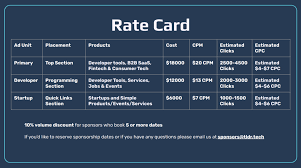
Simply put, newsletter sponsorship rates are the prices advertisers or brands pay to get their message in front of your email subscribers. Think of it like advertising space, but delivered right to someone’s inbox. Brands want to reach people who are interested in what they offer.
Your newsletter is a direct line to those people.
These rates can change a lot. They depend on many things. We’ll explore those key factors soon.
For now, know that it’s a way for newsletters to earn money. It also helps brands find new customers. It’s a win-win when done right.
My First Sponsorship Scare
I remember my first real inquiry about a newsletter sponsorship. It was for my little gardening tips newsletter. I’d been sending it out for maybe a year.
It had a few hundred subscribers. I loved talking about plants and soil. I wasn’t thinking about money at all.
Then, an email landed in my inbox. A garden supply company wanted to sponsor a spot.
My heart did a little leap, then sank. What do I even say? What’s a fair price?
I felt totally out of my depth. I looked at their email again. They wanted to know my rates.
I stammered and mumbled to myself, staring at my screen. I finally just said, “I’m new to this. Can you suggest a starting point?” They offered a very small amount.
I took it. It felt like getting paid to talk about dirt, but I later realized I could have asked for more.
Understanding the Value of Your Newsletter
The real value of your newsletter isn’t just the number of people on your list. It’s about who those people are. Are they engaged?
Do they trust you? What do they like to buy?
Imagine two newsletters. Both have 10,000 subscribers. Newsletter A is about general news.
Newsletter B is about advanced coding for software developers. A brand selling coding courses will pay much more to be in Newsletter B. Why?
Because the readers are highly targeted. They are much more likely to become customers for that brand.
So, when thinking about newsletter sponsorship rates, consider your audience. What are their interests? What are their problems?
What are their dreams? Brands want to tap into that.
Audience Engagement Matters Most
High Open Rates: Do people actually open your emails? A high open rate shows your subject lines are good. It means people want to hear from you.
Click-Through Rates (CTR): Do people click links in your newsletter? This shows they trust your recommendations. It proves they take action.
Subscriber Demographics: Who are your readers? Their age, location, job, and interests are super important to advertisers.
Niche Focus: A very specific, loyal audience is often more valuable than a huge, general one.
Key Factors Influencing Sponsorship Rates
There are several big things that move the needle on newsletter sponsorship rates. Let’s look at them one by one. This will help you set your own prices.
Subscriber Count
This is the most obvious factor. More subscribers generally mean higher rates. It’s simple math.
More eyeballs equal more potential customers for the advertiser. However, it’s not the only thing. As we said, a smaller, super-engaged list can be worth more than a huge, unengaged one.
Many newsletters use a tiered system based on subscriber numbers. For example:
- 1,000 – 5,000 subscribers: Lower rates.
- 5,000 – 10,000 subscribers: Mid-range rates.
- 10,000+ subscribers: Higher rates.
These are just examples. Your actual rates will vary.
Engagement Metrics (Open & Click Rates)
This is where the magic happens. High open rates and click-through rates (CTR) signal a healthy, engaged audience. Advertisers don’t just want to reach people.
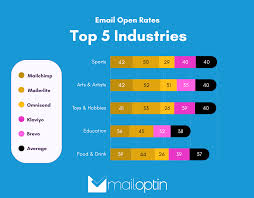
They want to reach people who act. A newsletter with a 50% open rate is far more attractive than one with a 15% open rate.
What are good rates?
- Open Rates: Aim for 20-40% or higher. Some niches do much better.
- Click-Through Rates (CTR): Aim for 2-5% or higher. Again, niche matters.
If your engagement is high, don’t be afraid to charge more, even with fewer subscribers. You are delivering quality.
Audience Demographics and Psychographics
This is gold for advertisers. Knowing who your subscribers are is crucial. Are they young professionals?
Parents? Retirees? Tech enthusiasts?
Hobbyists?
Advertisers have target customer profiles. If your audience matches their ideal customer, they will pay a premium. This includes:
- Age: Different age groups have different spending habits.
- Location: Are they all in the U.S.? A specific region?
- Income Level: This helps brands gauge purchasing power.
- Interests & Hobbies: What do they do in their free time? What are they passionate about?
- Job Titles/Industries: Especially important for B2B newsletters.
Gathering this information helps you present your audience to potential sponsors. You can even create a media kit.
Know Your Numbers Inside Out
Your Audience Profile:
Average Open Rate: %
Average Click-Through Rate (CTR): %
Primary Age Group:
Top Interests:
Geographic Focus:
Newsletter Niche and Content Quality
A well-defined niche newsletter is often more valuable. If you focus on a specific topic, your audience is likely very interested in that topic. This makes them a prime target for related brands.
For example, a newsletter about vegan recipes will attract sponsors selling vegan food products. A newsletter about freelance writing will attract sponsors offering freelance tools or courses. The better your content serves a specific need or interest, the higher your value.
Content quality also plays a role. Is your newsletter well-written, informative, and visually appealing? Good content leads to better engagement, which, as we’ve seen, increases rates.
Type of Sponsorship
There are several ways brands can sponsor a newsletter. Each has a different pricing structure.
- Dedicated Send: The entire newsletter is about the sponsor. This is usually the most expensive.
- Sponsored Section: A specific part of your regular newsletter is dedicated to the sponsor. This is common.
- Ad Placement: A banner ad or text ad within your newsletter content.
- Affiliate Marketing: You promote a product and earn a commission on sales. This isn’t a fixed rate but a percentage.
Dedicated sends command the highest rates. Sponsored sections are mid-range. Simple ad placements might be the lowest, but can be good for smaller newsletters.
Industry and Advertiser Budget
Some industries simply have bigger advertising budgets. Tech, finance, and health industries often spend more on marketing than, say, arts and crafts. The advertiser’s own budget will also dictate what they can afford.
If you’re in a high-spending industry, you can likely command higher newsletter sponsorship rates. It’s also about supply and demand. If many brands want to reach your audience, rates can go up.
Common Pricing Models for Newsletter Sponsorships
How do you actually put a number on your sponsorship? There are a few common ways newsletters price their sponsorships. Understanding these helps you choose what works best for you.
Cost Per Send (CPS) / Cost Per Campaign (CPC)
This is one of the most straightforward methods. You charge a flat fee for each time the sponsor’s ad or content appears in your newsletter. This is often called Cost Per Send (CPS).
For example, you might charge $500 for a sponsored section in your weekly newsletter. If the sponsor runs it for four weeks, that’s a $2,000 campaign.
Pros: Simple, predictable income. Easy for sponsors to budget.
Cons: Doesn’t directly tie to performance. Might leave money on the table if your engagement is super high.
Cost Per Mille (CPM) / Cost Per Thousand
CPM means “cost per thousand.” You charge a certain amount for every 1,000 subscribers who receive the sponsored content. This is a very common advertising metric.
For example, a CPM of $20 means you charge $20 for every 1,000 subscribers that get the ad. If you have 10,000 subscribers, one send would cost the sponsor $200 (10,000 / 1,000 * $20).
Pros: Scales with your list size. Aligns with industry ad standards.
Cons: Requires accurate subscriber counts. Doesn’t directly account for engagement if not factored in.
CPM Rate Examples
Let’s say your CPM rate is $30.
If you have 5,000 subscribers:
Cost per send = (5,000 / 1,000) * $30 = $150
If you have 20,000 subscribers:
Cost per send = (20,000 / 1,000) * $30 = $600
Cost Per Click (CPC)
With CPC, the sponsor pays each time a subscriber clicks on a link within their sponsored content. This model is more performance-based.
You would agree on a price per click, say $1. If 500 subscribers click the link, the sponsor pays $500.
Pros: Performance-driven. Sponsors love this as they only pay for action.
Cons: Income can be unpredictable. Requires good tracking. You need to ensure the sponsor’s offer is compelling enough for clicks.
Cost Per Acquisition (CPA) / Cost Per Action
This is the most performance-driven model. The sponsor pays you only when a subscriber takes a specific action, like making a purchase, signing up for a demo, or downloading an ebook. This is often used with affiliate marketing.
For instance, you might get $50 for every new customer the sponsor acquires through your newsletter.
Pros: Highest potential earnings. Sponsors pay only for results.
Cons: Very unpredictable income. Requires strong trust and a highly convertible audience. Needs sophisticated tracking.
Hybrid Models
Many newsletters use a combination of these models. For example, you might offer a base CPM rate with a bonus for achieving a certain number of clicks.
This can balance predictability with performance, offering a good deal for both you and the sponsor.
How to Calculate Your Own Newsletter Sponsorship Rates
Now for the million-dollar question: How do you figure out what your rates should be? It’s a mix of art and science.
1. Know Your Audience Inside Out
We’ve said it before, but it’s worth repeating. Get detailed. Use your email platform’s analytics.
Consider running a simple survey to ask your subscribers about their interests, demographics, and even what they spend money on.
This data is your leverage. Brands pay for access to specific groups of people.
2. Analyze Your Engagement Metrics
Pull your average open rates and click-through rates for the last 3-6 months. If these are consistently high, you can justify higher rates. If they are low, you need to work on improving them first, or price accordingly.
3. Research Industry Benchmarks
What are other newsletters in your niche charging? This is crucial. Look at newsletters with similar subscriber counts and engagement levels.
Many newsletters in marketplaces list their rates. You can also find industry reports and surveys on sponsorship pricing.
A common starting point for CPM rates in many niches is between $15-$50. However, highly niche or engaged audiences can command $100+ CPM.
4. Consider Your Content Value
Are you providing unique insights? Are you solving a major problem for your readers? Is your content highly shareable or actionable?
The better your content, the more valuable your platform is to sponsors.
5. Factor in Your Time and Effort
Creating a newsletter takes time. Writing, editing, designing, scheduling – it all adds up. Your rates should reflect the effort you put in.
Don’t just think about subscriber count; think about the value of your work.
6. Start Somewhere and Adjust
It’s okay to start with a rate that feels a bit uncertain. As you get more sponsorships and feedback, you can adjust. If sponsors are snapping up your spots quickly and you feel you could charge more, do it.
If you’re struggling to find sponsors, your rates might be too high for your current audience value.
Example Calculation (Hypothetical)
Newsletter: “Sustainable Home Living” (Weekly)
Subscribers: 8,000
Average Open Rate: 35%
Average CTR: 4.5%
Niche: Eco-friendly products, zero-waste living.
Industry Benchmarks: Similar newsletters charge $30-$50 CPM.
Chosen Model: CPM for sponsored section.
Proposed Rate: $40 CPM.
Cost per send: (8,000 subscribers / 1,000) $40 = 8 $40 = $320.
This would be the price for one sponsored section in their weekly email.
Setting Up Your Sponsorship Packages
Once you have an idea of your rates, it’s helpful to create clear sponsorship packages. This makes it easy for potential advertisers to understand what they can get and at what price.
Basic Package
This could be a small sponsored section or a text ad. It’s usually the most affordable option.
- Includes: 1 sponsored mention in a specific section of the newsletter.
- Price: Based on your CPC or a lower CPM.
Standard Package
This is often the most popular. It might include a dedicated paragraph or a small image in your regular newsletter.
- Includes: Dedicated space for sponsor content (e.g., 100-150 words with a link and maybe a small image).
- Price: Mid-range CPM or a flat fee per send.
Premium Package
This is for maximum visibility. It could be a dedicated email send or a prominent sponsored section with an image and a strong call to action.
- Includes: Featured placement, potentially a dedicated send, or a larger ad space.
- Price: Higher CPM, flat fee, or even CPA if the offer is strong.
You can also offer custom packages. This allows you to tailor a deal to a specific advertiser’s needs and budget.
Crafting Your Media Kit
A media kit is your sales brochure for potential sponsors. It should be professional and informative. It’s where you showcase your newsletter’s value.
What to Include:
- About Your Newsletter: What is it about? What’s your mission?
- Audience Demographics: Age, location, interests, etc.
- Engagement Metrics: Open rates, CTR, list growth rate.
- Subscriber Count: Current number and growth trend.
- Sponsorship Options: Clearly list your packages and what they include.
- Pricing: State your rates or CPM.
- Testimonials: Quotes from happy sponsors are powerful.
- Contact Information: How to get in touch.
A well-designed media kit makes you look professional and serious. It helps sponsors see the value you offer.
Finding Sponsors for Your Newsletter
How do you actually connect with brands who want to sponsor you? It takes a bit of outreach.
1. Outreach to Relevant Brands
Make a list of companies whose products or services align perfectly with your audience. Think about brands you genuinely use or admire. Craft a personalized pitch email.
Highlight how your newsletter can help them reach their ideal customers.
2. Join Sponsorship Marketplaces
Platforms like Paved, Relevancy, and Swapstack connect newsletter creators with advertisers. These marketplaces often have built-in tools for managing sponsorships and payments.
3. Network and Ask
Tell people you’re open to sponsorships. Attend industry events (online or in-person). Talk to other newsletter creators.
Sometimes, the best opportunities come from connections.
4. Make it Easy to Inquire
Have a clear “Sponsor” or “Advertise” page on your website. Include a link to your media kit and a contact form or email address for inquiries.
When to Start Selling Sponsorships
Small Newsletters (Under 1,000 Subscribers): Focus on building your audience and engagement first. You might consider affiliate marketing or offering very low-cost sponsorships to friends or small businesses.
Growing Newsletters (1,000 – 5,000 Subscribers): You can start offering sponsored sections or small ad placements. Focus on demonstrating value and building a track record.
Established Newsletters (5,000+ Subscribers): You have a solid foundation for setting professional rates. Develop clear packages and a media kit. Consider dedicated sends.
Negotiating Sponsorship Deals
When a brand reaches out, or you pitch them, there might be some back-and-forth. Negotiation is normal.
Be Confident: Know your value. Refer back to your audience data and engagement metrics.
Listen: Understand what the sponsor needs and what their budget is.
Be Flexible: Can you offer a different package? Can you adjust the price slightly in exchange for a longer commitment?
Get it in Writing: Always use a contract or a clear agreement outlining the terms, deliverables, payment schedule, and cancellation policy.
Common Pitfalls to Avoid
Even with the best intentions, things can go wrong. Here are some common mistakes to steer clear of.
1. Undervaluing Your Newsletter
Don’t be the person who sells sponsorship for a tiny amount just because you’re scared. Your audience is valuable. Price your work accordingly.
2. Overpromising
Be realistic about what you can deliver. Don’t promise a certain number of clicks if you can’t guarantee it. Be honest about your engagement levels.
3. Ignoring Your Audience
Only accept sponsorships from brands that genuinely align with your audience’s interests. Promoting irrelevant products can alienate your subscribers and hurt your long-term credibility.
4. Poor Tracking and Reporting
If you promise metrics, be able to deliver them. Use UTM parameters for links and provide clear reports to your sponsors. This builds trust for future deals.
5. Lack of a Contract
Always, always have a written agreement. This protects both you and the sponsor and prevents misunderstandings.
The Future of Newsletter Sponsorships
Newsletters are making a huge comeback. People are tired of noisy social media feeds. They crave direct, curated content.
This means the value of well-run newsletters is only going to grow.
Brands recognize this. They see newsletters as a powerful way to connect with engaged audiences on a personal level. As algorithms change and attention spans shrink on other platforms, the inbox remains a trusted space.
Expect to see more sophisticated tools for newsletter advertising. Expect more data to be available for targeting. And expect newsletters to continue being a vital part of a brand’s marketing strategy.
This means more opportunities and potentially higher newsletter sponsorship rates for creators who deliver quality.
When is it Time to Raise Your Rates?
This is an important question for growing newsletters. You don’t want to be stuck with old rates forever.
- Consistent Demand: If sponsors are frequently asking about availability and you’re often booked out.
- Audience Growth: As your subscriber list gets larger, your reach increases.
- Improved Engagement: If your open and click rates have significantly improved since you last set your prices.
- New Offerings: If you’ve developed new sponsorship packages or added valuable features.
- Market Trends: If you notice competitors in your niche are charging more.
When you do raise rates, it’s good practice to give existing sponsors advance notice. You might grandfather them in at the old rate for a period.
What if My Newsletter is New or Small?
Don’t be discouraged if you’re just starting out. The journey of a successful newsletter often begins small.
For very new newsletters, focus on:
- Building a core audience: Provide amazing value consistently.
- Engagement: Encourage replies, run polls, and foster a community.
- Affiliate Marketing: This is a great way to start earning. You promote products you love and earn a commission on sales generated through your unique link. This requires less upfront negotiation and is performance-based.
- Bartering: You might offer a sponsorship slot in exchange for products or services from a brand, especially if you’re just starting and need to build a portfolio.
- Super low-cost sponsorships: If you have a few dozen or a couple hundred hyper-engaged subscribers, you might offer a very low rate to a local business or a friend’s startup to get a testimonial and build experience.
The key is to build momentum and prove the value of your small but mighty audience.
My Current Approach to Rates
Today, my gardening newsletter has grown. I have several thousand engaged subscribers. I stopped taking any sponsor that came along.
Now, I carefully vet every potential sponsor. I want to ensure they offer something truly useful to my readers.
I primarily use a CPM model for sponsored mentions within my weekly digest. For higher-tier sponsorships, like a dedicated section or a product review (if it genuinely fits), I use a flat fee per send. I always include a clause about content approval to ensure it meets my quality standards.
My rates are based on my current subscriber count, my consistently high open rates (often over 40%), and the specific niche appeal of my audience – people who care about growing things and living a more self-sufficient lifestyle. I also look at what similar gardening or homesteading newsletters are charging.
It took time and experience to get here. The most important thing is to value your work and your audience. Don’t be afraid to ask for what you believe is fair.
And always, always prioritize your readers.
Frequently Asked Questions About Newsletter Sponsorship Rates
What is the average CPM for a newsletter sponsorship?
The average CPM for newsletter sponsorships can vary widely, but a common range is between $15 and $50. However, highly niche, engaged, or influential newsletters can command CPMs of $100 or even much higher. It truly depends on the audience quality, engagement metrics, and the niche.
How do I find brands to sponsor my newsletter?
You can find sponsors by directly reaching out to companies whose products or services align with your audience, joining newsletter sponsorship marketplaces (like Paved, Relevancy, or Swapstack), networking within your industry, and making it easy for brands to inquire through a dedicated “Sponsor” page on your website.
Should I use a flat fee or CPM for my sponsorship rates?
The best model depends on your newsletter and goals. A flat fee (Cost Per Send) is simpler and offers predictable income. CPM (Cost Per Thousand) is common in advertising and scales with your list size.
Many creators use a hybrid approach or offer different models for different sponsorship types. Consider your audience size and engagement when deciding.
What if my newsletter has fewer than 1,000 subscribers?
For smaller newsletters, focus on building a highly engaged audience. Affiliate marketing is an excellent way to start earning without direct sponsorship deals. You can also offer very low-cost sponsorships to friends or local businesses to gain experience and testimonials, or consider bartering.
How important are open rates and click-through rates for sponsorship rates?
Open rates and click-through rates are extremely important. They are key indicators of audience engagement and trust. A newsletter with high open and click rates is much more valuable to advertisers than one with low engagement, allowing you to command higher sponsorship rates, even with a smaller subscriber count.
Can I charge more if my newsletter has a very specific niche?
Absolutely. A well-defined niche audience is often more valuable to advertisers because they are more targeted. If your niche is highly specific and your subscribers are passionate about that topic, you can often charge premium rates, as you are delivering a highly qualified audience that is more likely to convert for relevant brands.
Conclusion
Setting newsletter sponsorship rates might seem tricky at first. But by understanding your audience, tracking your engagement, and researching industry standards, you can find a fair price. Remember to create clear packages and a professional media kit.
Most importantly, always prioritize your readers. Their trust is your greatest asset. As your newsletter grows, so too can your earning potential.