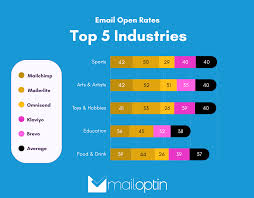
The average newsletter open rate across all industries is about 20%. However, this number changes based on your industry, email type, and audience engagement. A good open rate means your subject line and sender name are working.
It shows your subscribers are interested enough to click. It’s a vital first step for email marketing success.
What is a Newsletter Open Rate?
So, what exactly is this “open rate” we keep talking about? Simply put, it’s the percentage of people who opened your email after you sent it. Think of it like this: you mailed out 100 letters.
The open rate tells you how many of those 100 people actually opened their mailbox and took your letter out.
In the digital world, this is measured by email service providers. They track when an email is opened. This usually happens when the images in the email are loaded.
It’s not a perfect science, as some people read emails without loading images. But it’s the standard way we measure it.
Why does this number matter so much? Because it’s the first hurdle your email has to clear. If your email isn’t opened, nothing else matters.
Your brilliant content, your compelling call to action, your beautiful design – it all stays hidden. A healthy open rate shows that your audience wants to hear from you. They trust your sender name.
They find your subject lines interesting enough to click.
This first click is a sign of engagement. It’s a signal that your email list is healthy. It means people are still interested in what you have to offer.
If your open rate drops, it’s a warning sign. It tells you something needs to change. Maybe your subject lines aren’t grabbing attention.
Perhaps your audience has changed. Or maybe you’re sending too often, or not often enough.
Why Are We Talking About Averages?
The number 20% is often quoted as the average newsletter open rate. But it’s really just a starting point. It’s like saying the average height of a person is five-foot-something.
It doesn’t tell you much about an individual, does it?
The truth is, averages can be a bit misleading. They lump together wildly different situations. Imagine comparing the open rates of a daily sale alert from a huge online store to a monthly personal update from a hobby blogger.
Their goals and audiences are totally different. Their open rates will be too.
So, while knowing the average is good for context, it’s more important to know what’s typical for your specific situation. What is normal for your industry? What is good for your type of email?
What works for your specific subscribers?
This is where understanding the factors that influence open rates becomes really useful. It helps you aim for what’s achievable and meaningful for you. Instead of just chasing a number, you’re improving a process.
You’re building a better connection with your readers.
My Own Struggle with Early Open Rates
I remember when I first started my blog. I was so excited to share my writing. I built an email list from day one.
My first newsletter felt like a big deal. I wrote it with so much care. I thought the subject line was clever.
I hit send, and then I waited. The next day, I checked my stats. My jaw dropped.
It was in the single digits. Single digits! I felt a rush of panic.
Was all my effort for nothing? Did nobody care? It felt like I was shouting into the void.
I started second-guessing everything. Was my content bad? Was my list fake?
I even considered giving up email marketing altogether. It was a pretty low point. I felt so discouraged.
I talked to a friend who had a successful online business. She listened patiently as I explained my woes. She told me, “Nobody gets it right away.
Email marketing is a marathon, not a sprint.” She explained that what I was seeing was normal for beginners. She suggested I look at what others in my niche were doing. She also recommended testing different subject lines.
She told me to focus on providing real value. She said, “Your subscribers signed up for a reason. Remind them of that reason.” It was great advice.
It took time, but by changing my approach, focusing on my audience, and not giving up, my open rates slowly started to climb. It felt like a huge victory when I finally hit double digits consistently.
Key Factors That Impact Your Newsletter Open Rate
Let’s dive into the nitty-gritty. What actually makes someone open an email? It’s usually a combination of things.
And often, it’s the very first impression that counts the most. That impression comes from two main places: who the email is from and what the subject line says.
Think about your own inbox. What makes you pause? What makes you delete an email without even opening it?
It’s usually a quick judgment call. And that’s exactly what your subscribers are doing too.
Sender Name & Email Address
Who is it from? This is crucial. If your subscribers don’t recognize your name or your company name, they are less likely to open. Consistency is key.
Always use the same recognizable sender name. Make sure your email address is professional too. A generic address like ‘noreply@yourdomain.com’ can hurt.
A friendly name like ‘Sarah from ‘ or ‘ Team’ often works better. People open emails from people or brands they trust.
The Subject Line
What’s inside? The subject line is your headline. It has to grab attention. It should create curiosity or clearly state a benefit.
But it also needs to be honest. Don’t use clickbait that doesn’t deliver. Short and punchy is often best.
Emojis can sometimes help, but use them wisely. They can make your email stand out, or they can look spammy. Personalization, like using the subscriber’s name, can also boost opens.
For example, “John, your weekly update is here!” can work better than just “Weekly Update.”
The Preheader Text
A little extra peek. This is the snippet of text that appears after the subject line in many email clients. It’s like a subtitle for your email. If you don’t set it, it often pulls in the first few words of your email, which might not be very compelling.
Use this space wisely! It’s a second chance to entice your reader to open. Make it complement your subject line.
It could offer more detail or a hint of what’s inside. Think of it as a trailer for your email.
List Health and Engagement
Are they still interested? Not all subscribers are created equal. Some have been with you for years and open every email. Others signed up and forgot.
Or maybe their needs have changed. Regularly cleaning your email list is vital. Remove subscribers who haven’t opened your emails in a long time.
They might be bouncing or inactive. This makes your open rates look better. It also saves you money, as most email services charge by the number of subscribers.
Send Time and Frequency
When and how often? Sending emails on a Tuesday morning might work for one audience. For another, it might be late at night when they’re most likely to check their inbox. There’s no single “best” time.
It depends on where your subscribers live and their daily routines. Experiment to find what works. Also, how often do you send?
Too many emails can lead to fatigue and unsubscribes. Too few can make people forget about you.
Industry Benchmarks: What’s Considered Good?
Let’s get a bit more specific. While the 20% overall average is a starting point, different industries have different norms. This is because the purpose of the email and the relationship with the subscriber can vary a lot.
For example, businesses that send transactional emails (like order confirmations) often have very high open rates. This is because people need to see these emails. They are expecting them.
Newsletters or promotional emails are different. They rely more on interest and value.
Here’s a general look at some common industry benchmarks. Remember, these are still averages. Your own results might be higher or lower.
| Industry | Average Open Rate (%) |
|---|---|
| Non-profit | 22.6% |
| Retail | 18.3% |
| Media & Publishing | 22.7% |
| Technology | 19.6% |
| Government | 21.2% |
| Healthcare | 20.5% |
| Education | 21.6% |
| Finance | 20.9% |
| Travel | 17.8% |
What does this tell us? Industries where there’s a strong need or a consistent relationship tend to see higher rates. Think about non-profits and their community engagement. Or education, where students and parents expect updates.
Retail can be lower if the emails are purely promotional without added value.
What is a “good” rate for you? A common benchmark is that anything above 20% is decent. But many successful email marketers aim for 30%, 40%, or even higher. What matters most is your trend.
Are your open rates going up over time? Are you beating your own past performance? That’s a sign you’re doing something right.
Don’t get too hung up on comparing yourself to others constantly. Focus on your audience. What do they want from your emails?
If you can consistently deliver that, your open rates will reflect it.
The “People Also Ask” Side of Open Rates
When people search for information about newsletter open rates, they often have specific questions. These questions show what’s on their mind. They highlight common concerns and areas of confusion.
Let’s look at some of these and give clear, simple answers.
What is a good email open rate for a small business?
For a small business, a good email open rate is generally considered to be above the average of 20%. Aiming for 25% or higher is a strong goal. Focus on consistent engagement and list quality rather than just a single number.
Building trust with your audience is key.
How can I increase my newsletter open rate?
To increase your open rate, focus on compelling subject lines, clear sender names, and preheader text. Personalize your emails when possible. Send emails at optimal times for your audience.
Keep your email list clean by removing inactive subscribers. Test different approaches regularly to see what resonates best.
What percentage of emails are actually opened?
Globally, around 20% of emails sent are opened. This figure is an average across many industries. Some types of emails, like transactional ones, see much higher open rates.
Marketing or promotional emails often fall closer to this average, but can be higher with good practices.
Why is my newsletter open rate so low?
A low open rate can be due to several reasons. Your subject lines might not be grabbing attention. Your sender name might not be recognizable.
Your emails might be going to spam folders. Your subscribers may have lost interest, or you might be sending too often. It’s also possible your list has many inactive subscribers.
Reviewing your strategy is important.
Does sending emails on weekends hurt open rates?
For many audiences, weekend open rates can be lower than weekdays. People often have more distractions or different routines on weekends. However, this isn’t true for everyone.
Some people check emails more leisurely on Saturdays or Sundays. The best approach is to test sending emails at different times and days to see what works for your specific subscribers.
How often should I send a newsletter?
The ideal frequency for sending a newsletter depends on your audience and content. Daily might be too much for most. Weekly is common for blogs and businesses.
Monthly can work for more in-depth updates or for very niche audiences. The key is consistency. Send at a pace your subscribers expect and can manage.
Don’t sacrifice quality for quantity.
My Real-World Experiment with Send Times
I remember feeling really stuck on when to send my emails. My analytics showed that Tuesday mornings were okay, but not amazing. I kept thinking, “There has to be a better time.” My audience is mostly U.S.-based, with a mix of East Coast and West Coast people.
So, a 9 AM East Coast send was noon on the West Coast.
I decided to run a little experiment. For four weeks, I sent the exact same content. The only thing I changed was the send day and time.
Week one was Tuesday at 10 AM EST. Week two was Wednesday at 2 PM EST. Week three was Thursday at 8 AM EST.
Week four was Friday at 11 AM EST.
I tracked the open rates for each send. What I discovered was surprising! The Wednesday 2 PM send actually performed the best.
It wasn’t the highest by a huge margin, but it was consistently 3-4% higher than my usual Tuesday morning send. I also noticed the Friday send did okay, but the engagement seemed to drop off faster after the first day. This told me that mid-week, perhaps during a typical work afternoon slump, my subscribers were more likely to check their inbox and open my newsletter.
It was a small change, but it made a difference. It showed me that testing these variables really matters. What works for one person might not work for you.
The Anatomy of a Compelling Subject Line
Let’s zoom in on the subject line. This is your first, and sometimes only, chance to make an impression. A great subject line is like a perfect hook.
It draws people in without being deceptive. What makes one subject line better than another? It’s usually a blend of these elements:
Clarity: What is This Email About?
The reader should know generally what to expect. If you promise news, deliver news. If you promise tips, give tips.
Vague subject lines often get ignored or deleted. Examples: “Your Weekly Baking Tips” is clear. “Important Update” is not.
Curiosity: Make Them Want to Know More
This doesn’t mean being misleading. It means hinting at something interesting. A question can create curiosity.
Or a statement that suggests a solution to a common problem. Example: “Did you know this about your houseplants?” or “The one mistake most gardeners make.”
Urgency (Use Sparingly): Act Now!
This is best for sales or time-sensitive offers. Phrases like “Last Chance,” “Ends Tonight,” or “Limited Time” can boost opens for a specific purpose. Use this carefully, as overuse can lead to fatigue.
Personalization: Making it About Them
Using the subscriber’s name can make a big difference. “Sarah, check out these new arrivals!” feels more direct than “New Arrivals.” Some tools allow for more advanced personalization, like referencing their location or past purchases.
Benefit-Oriented: What’s In It For Them?
Focus on what the reader will gain. Will they save time? Save money?
Learn something new? Get inspired? Example: “Save 20% on your next order” clearly states a benefit.
“Get more done with these productivity hacks” also focuses on reader gain.
Common Pitfalls to Avoid:
- All Caps: It looks like shouting and can trigger spam filters.
- Excessive Punctuation: !!! or ??? looks unprofessional.
- Spam Trigger Words: Words like “free money,” “guarantee,” or “act now” (when overused) can land you in the spam folder.
- Misleading Promises: Never promise something in the subject line that isn’t delivered in the email. This erodes trust.
Testing is Key! What works for one audience might not work for another. A/B test your subject lines. Send two versions to small segments of your list.
See which one gets a better open rate. Then send the winning version to the rest of your list. This is how you learn what truly resonates.
Why List Segmentation Matters for Open Rates
Imagine getting an email about dog toys when you own a cat. Or an offer for winter coats in the middle of summer. You probably wouldn’t open it, right?
This is why segmenting your email list is so important. It’s about sending the right message to the right people at the right time.
When you send a generic email to your entire list, some people will find it relevant. But others won’t. Segmentation means dividing your list into smaller groups based on certain characteristics or behaviors.
Types of Segmentation:
- Demographic: Based on age, location, gender, job title.
- Behavioral: Based on past purchases, website activity, email engagement (opens, clicks).
- Interest-Based: Based on what topics they’ve shown interest in (e.g., if they clicked on a link about gardening).
- Lifecycle Stage: New subscribers, loyal customers, lapsed customers.
How does this boost open rates? When you send a segmented email, the subject line and content are far more likely to be relevant to that specific group. A subject line like “Special Offer for Cat Owners Only!” will grab the attention of cat owners far more than a general “Special Offer!” subject line.
For example, if someone recently purchased a specific product from you, you can send them an email about accessories for that product. The subject line could be: “Enhance Your New !” This is much more compelling than a general product announcement.
This relevance directly impacts the open rate. People are more likely to open emails that feel like they were sent specifically for them. It shows you understand their needs and interests.
This builds a stronger connection and encourages future engagement. It moves you away from the general average and towards a more personalized, effective email strategy.
The Role of Email Deliverability
Even the most amazing subject line and perfectly crafted email won’t get opened if it never reaches the inbox. This is where email deliverability comes in. Deliverability is about ensuring your emails actually get to your subscribers’ inboxes, rather than ending up in spam folders or being blocked entirely.
Several factors affect deliverability. Your email service provider plays a role. They have to maintain good sending reputations.
But you also have a big part to play.
Sender Reputation: Your Email Scorecard
Internet Service Providers (ISPs) like Gmail, Outlook, and Yahoo track senders. They give you a reputation score. This score is based on your sending practices.
High bounce rates, spam complaints, and low engagement can hurt your reputation. A good reputation means your emails are more likely to land in the inbox.
Authentication: Proving You Are Who You Say You Are
Setting up authentication protocols like SPF, DKIM, and DMARC is crucial. These technical settings help prove to mail servers that you are a legitimate sender. They help prevent others from sending emails that look like they came from you (spoofing).
Most email marketing platforms guide you through this.
Engagement Metrics: The Heartbeat of Your List
ISPs look at how people interact with your emails. High open rates and click-through rates are good signs. High bounce rates (emails that can’t be delivered) and spam complaints are bad signs.
This is why list hygiene is so important – removing bad email addresses and inactive subscribers. It shows ISPs that people want your emails.
What if your emails are going to spam?
- Check Your Content: Avoid too many spammy words.
- Clean Your List: Remove invalid or inactive addresses.
- Get Permission: Always use double opt-in to ensure subscribers truly want your emails.
- Encourage Engagement: Ask people to add you to their address book.
- Monitor Complaints: Act quickly on any spam complaints you receive.
Good deliverability is the silent partner of a good open rate. You can do everything else right, but if your emails aren’t seen, they can’t be opened. It’s a foundational element of successful email marketing.
When Is It Time to Worry About Your Open Rate?
We’ve talked about averages and benchmarks. But when should you actually be concerned? It’s not just about the number itself.
It’s about the trend and the context.
Consistent Decline: The Slow Slide
If you notice your open rates have been steadily dropping over the past few months, that’s a red flag. A single bad campaign might happen. But a consistent downward trend suggests a systemic issue.
It could be your content isn’t as relevant, your subject lines are stale, or your list is becoming disengaged.
Sudden Drop: The Unexpected Plunge
If your open rate suddenly plummets for no apparent reason, investigate immediately. This could indicate a deliverability problem. Maybe your IP address reputation dropped.
Or a recent change in how a major email provider filters emails is affecting you. Check your spam reports and bounce rates.
Well Below Your Own Baseline: Not Your Best
Even if your current open rate is “average” for your industry, if it’s significantly lower than what you used to achieve, it’s worth looking into. What changed? Did your subscriber base grow with less engaged people?
Did your content shift? What was different when your rates were higher?
Impact on Other Metrics: The Domino Effect
If your open rate is low, it’s likely impacting your click-through rates and conversions too. Fewer opens mean fewer people seeing your calls to action. If your overall email marketing goals aren’t being met, a low open rate might be the root cause.
It’s the first domino.
What to do if you’re worried:
- Review Your Subject Lines: Are they still engaging? Try new angles.
- Analyze Your Audience: Are their needs changing? Re-segment your list.
- Check Deliverability: Ensure your authentication is set up and your sender reputation is good.
- Clean Your List: Remove inactive subscribers.
- Survey Your Subscribers: Ask them what they want to see!
Don’t panic if you see a dip. Use it as a signal to learn and adapt. Email marketing is an ongoing conversation with your audience.
Your open rate is a key part of that conversation.
My Experience with a List Re-engagement Campaign
There was a point about a year ago when I noticed my overall open rates had plateaued. They weren’t bad, but they weren’t growing either. I had been sending my weekly newsletter consistently.
I thought my content was good. I was getting decent click-throughs from those who did open it. But I felt like there was a large chunk of my list that was just.
dormant.
I decided it was time for a re-engagement campaign. This is a series of emails sent to subscribers who haven’t opened your emails in a while. The goal is to either get them to re-engage with your content or to confirm they’re no longer interested, so you can remove them from your active list.
I started by segmenting my list. I identified everyone who hadn’t opened an email in the last 90 days. I crafted a special series for them.
The first email had a subject line like: “We Miss You! Can We Still Send You Emails?” The body was short. It reminded them why they signed up and asked if they still wanted to hear from me.
I offered a small incentive, like a free guide, for those who clicked a link to confirm their subscription.
For those who didn’t open the first email, I sent a second one a week later. This one was more direct: “Last Chance: Updating Your Subscription Preferences.” It clearly stated that if they didn’t respond, they would be removed from the active list. Finally, for anyone still unresponsive, I sent a final email saying goodbye.
The results were eye-opening. About 15% of the targeted segment re-engaged! They clicked the confirmation link or opened the subsequent emails.
This meant I was able to keep them on my list and improve my overall open rate going forward. The other 85% were removed. It felt a little sad to lose them, but it was the right move.
My list became healthier and more engaged. And my average open rate for subsequent campaigns saw a nice boost. It was a lot of work, but it was absolutely worth it.
Quick Tips to Boost Your Newsletter Open Rate
Want to see your open rates climb? Here are some actionable tips you can start using right away:
1. Write Irresistible Subject Lines
Spend more time crafting your subject lines. Make them clear, concise, and compelling. Use personalization.
Ask questions. Hint at value. And always A/B test them.
2. Optimize Your Sender Name
Use a recognizable name, either personal or branded. Avoid generic “no-reply” addresses. Make sure it’s consistent so subscribers know who it’s from immediately.
3. Use Preheader Text Wisely
Don’t let it default. Use this space to add context or a hook that supports your subject line. It’s a second chance to get them to open.
4. Keep Your List Clean
Regularly remove inactive subscribers. They drag down your engagement rates and can hurt your deliverability. Run re-engagement campaigns periodically.
5. Test Send Times and Frequency
Don’t assume. Experiment with different days and times to find when your audience is most active. Find a sending frequency that works without overwhelming your subscribers.
6. Segment Your Audience
Send relevant content to specific groups. This increases the chances that your email will resonate with the recipient, leading to higher opens.
7. Encourage Whitelisting
Ask new subscribers to add your email address to their contacts or safe sender list. This helps ensure your emails bypass spam filters.
Frequently Asked Questions About Newsletter Open Rates
What is the typical click-through rate for a newsletter?
The typical click-through rate (CTR) for a newsletter can vary widely. For all industries, it’s often around 2.5%. However, this can be much higher for engaged audiences or specific types of emails.
It’s important to track your own CTR alongside your open rate.
How can I tell if my emails are going to spam?
You can check your email service provider’s reports for hard bounces and spam complaints. Many providers also offer deliverability tools. You can also use a service that tests your emails against various spam filters before sending.
Does the device people use to read emails affect open rates?
Yes, device usage can play a role. More people check emails on mobile devices now. This means subject lines need to be short and punchy to display well on smaller screens.
Emails that are mobile-friendly also tend to have better engagement overall.
Should I buy an email list to get more opens?
No, you should never buy an email list. Purchased lists have low engagement, poor deliverability, and can severely damage your sender reputation. It’s also a violation of privacy regulations like GDPR and CAN-SPAM.
Building an organic list is essential for healthy email marketing.
What’s the difference between open rate and unique open rate?
The ‘open rate’ typically refers to the total number of opens divided by the number of emails delivered. ‘Unique open rate’ is the number of unique individuals who opened your email divided by the number of emails delivered. Most platforms report unique open rates, which is usually more useful for understanding individual engagement.
How does the length of my subject line impact open rates?
Shorter subject lines generally perform better, especially on mobile devices where space is limited. Aim for subject lines that are around 40-50 characters. They get cut off less often and are easier to read quickly.
Clarity and impact matter more than length.
Moving Forward with Your Email Strategy
Understanding your newsletter open rate is a journey. It’s not just about hitting a magic number. It’s about building a genuine connection with your audience.
By focusing on clear communication, valuable content, and a healthy list, you can improve your results.
Don’t get discouraged by averages. Instead, focus on your own trends. Experiment with subject lines, send times, and segmentation.
Listen to your subscribers. They’ll tell you what they want through their engagement (or lack thereof). Your email marketing will become stronger, and your open rates will reflect that growth.
Keep learning, keep testing, and keep connecting!