It’s easy to get lost in the tech. Where do you even start? How do you tell folks about your brilliant creations without sounding like a pushy salesperson?
You want to build real connections, not just send out spam.
This is where a good newsletter comes in. It’s like a friendly chat with your audience. It helps you share value, build trust, and yes, sell your digital goods.
Let’s break down how to make your newsletter a sales powerhouse, the friendly way.
A newsletter is a powerful tool for selling digital products. It allows you to build a direct relationship with your audience, share valuable content, and promote your offerings over time. By consistently providing value and understanding your subscribers’ needs, you can create a loyal customer base and drive sales for your digital creations.
What Exactly Is a Digital Product Newsletter?
Think of a newsletter as a regular email update you send to people who sign up. It’s not just about selling stuff. It’s about sharing useful tips, behind-the-scenes peeks, or inspiring stories related to what you create.
When you sell digital products, your newsletter becomes your main channel. It’s where you nurture leads. It’s also where you announce new products or special deals.
You’re building a community, one email at a time.
Why is this so important? Because people buy from those they know, like, and trust. A newsletter helps build all three.
You show you’re an expert. You offer help without asking for anything back at first. This builds a strong foundation for sales.
My First Newsletter Fiasco (And What I Learned)
I remember when I first decided to sell my photography presets. I’d spent ages crafting them. I thought, “Great!
I’ll just send out an email blast saying ‘Buy My Presets Now!'” I hit send. Then I waited. And waited.
Crickets. Absolutely nothing happened.
I felt a mix of disappointment and a little bit of silly. I’d approached it all wrong. I assumed everyone was ready to buy the instant they heard about my product.
But people needed more. They needed to see the value. They needed to trust my eye.
That’s when I realized a newsletter needed to be more than just a sales pitch. It needed stories. It needed helpful hints.
It needed to feel personal. I started sharing tips on how to use presets, how I found my best shots, and why I loved certain editing styles. Slowly, things began to change.
Engagement grew. And then, sales followed.
Getting Started: Your First Steps
Choose Your Platform: Think email services like Mailchimp, ConvertKit, or ActiveCampaign. These help you manage lists and send emails easily.
Build Your List: Offer something free, like a checklist or a mini-guide. Put signup forms on your website.
Plan Your Content: What will you talk about? Mix helpful tips with product news.
Set a Schedule: Will you email once a week? Twice a month? Be consistent.
The Power of Content: What to Send
Your newsletter content is king. It’s what keeps people opening your emails. Think about what your ideal customer is struggling with.
What questions do they have? What do they want to learn?
Your digital products solve a problem or offer a benefit. Your newsletter should highlight these benefits and hint at the solution your product offers. But it shouldn’t be a constant advertisement.
Aim for an 80/20 rule: 80% value, 20% promotion.
Here are some ideas for great newsletter content:
- How-To Guides: Show people how to do something related to your niche. If you sell art courses, share a quick drawing tip.
- Behind-the-Scenes: Let people see the process behind your digital products. This builds connection.
- Case Studies/Success Stories: Share how someone else benefited from your product. This shows real results.
- Industry News or Trends: Show you’re knowledgeable about your field.
- Q&A Sessions: Answer common questions your audience has.
- Curated Resources: Link to other helpful articles or tools (even if they aren’t yours).
By sharing valuable content, you become a trusted source. People will look forward to your emails. They’ll be more likely to buy when you do offer a product.
Content Mix Ideas
Type: How-To Tutorial
Goal: Teach a small skill your product enhances.
Type: Behind-the-Scenes
Goal: Build personal connection.
Type: Customer Spotlight
Goal: Showcase product success.
Building Your Email List: The Foundation
You can’t sell through a newsletter if no one is subscribed. Growing your email list is crucial. Think of it as building your audience.
The more people you reach, the more potential customers you have.
How do you get people to sign up? You offer them something they want. This is called a lead magnet.
It’s a free piece of content that people get in exchange for their email address.
Examples of lead magnets for digital products include:
- A free chapter of your ebook.
- A mini-course related to your main course.
- A checklist or template.
- A cheat sheet or quick reference guide.
- A discount code for their first purchase.
Place signup forms on your website. Make them visible! Use pop-ups (but not too many!), signup boxes in your sidebar or footer, and dedicated landing pages.
Promote your lead magnet on social media too.
Remember to segment your list later. You can send different emails to people based on what they signed up for or what they’ve bought. This makes your emails more relevant.
Effective Lead Magnet Ideas
For Ebooks: Sample chapter, related short guide, bonus worksheets.
For Online Courses: Free mini-lesson, resource list, introductory video.
For Templates/Tools: Basic free version, quick-start guide, usage tips.
For Planners/Journals: Printable one-page planner, daily gratitude prompts.
Designing Your Emails for Engagement
Once you have subscribers, you need to make sure they open and read your emails. This is about email design and copy.
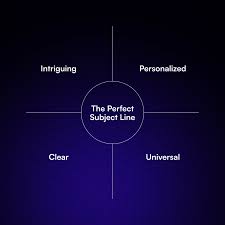
Subject Lines: This is the first thing people see. Make it compelling! Use curiosity, urgency, or a clear benefit.
Keep it short. Emojis can help too, but use them wisely.
Email Body: Keep it simple and clean. Use short paragraphs. Use headings and bullet points to break up text.
Include a clear call to action (CTA). What do you want them to do next?
Branding: Use your brand colors and logo. This makes your emails look professional and familiar.
Mobile-Friendly: Most people check emails on their phones. Make sure your emails look good on a small screen. Most email platforms do this automatically, but always test!
It’s about making it easy to read and understand. If your email is a wall of text, people will skip it. Good design guides the reader’s eye to the important stuff.
Quick Email Anatomy
Subject Line: Grab attention instantly.
Preheader Text: A short snippet visible in the inbox. Complement the subject line.
Greeting: Personalize it if you can (e.g., “Hi Sarah,”).
Main Content: Provide value, tell a story, or make an offer.
Call to Action (CTA): A clear button or link telling them what to do next.
Sign-off: A simple closing.
Storytelling in Your Newsletter
People connect with stories. They remember them. Using stories in your newsletter makes it more engaging.
It makes your brand more human.
Think about your own journey. What challenges did you face? How did you overcome them?
How did your digital product come to be? Share these tales. They can be about the creation process, a moment of inspiration, or a customer’s success.
For example, if you sell a time-management ebook, you could share a story about a time you felt overwhelmed and how a new system helped you. Or you could share how a reader used your ebook to reclaim hours in their week.
Stories help people see themselves in your message. They make your products feel more relevant to their lives. Don’t be afraid to be a little vulnerable.
Authenticity is key.
Nurturing Your Leads: The Long Game
Not everyone who signs up for your newsletter is ready to buy right away. That’s totally fine. Your newsletter is perfect for lead nurturing.
This means building a relationship over time.
You send valuable emails regularly. You answer questions. You solve problems.
You establish yourself as the go-to person in your niche.
When you consistently provide value, subscribers start to see you as an expert. They begin to trust your recommendations. When you finally launch a product or promote an existing one, they’re much more likely to consider it.
This takes time. It’s not about instant sales. It’s about building a loyal following.
Over weeks and months, your consistent efforts will pay off. People will be eager to see what you offer because they know it will be good.
Nurturing Sequence Ideas
Welcome Email: Introduce yourself and what to expect.
Value Email 1: Share a useful tip or guide.
Value Email 2: Tell a relatable story.
Product Introduction: Gently introduce a relevant product.
Problem/Solution Email: Highlight a pain point your product solves.
Social Proof Email: Share a testimonial or success story.
The Art of the Sales Pitch in Your Newsletter
When it’s time to sell, do it with grace. Remember that 80/20 rule. Your promotional emails should feel like a natural next step for your subscribers.
Focus on Benefits, Not Just Features: Instead of saying “This ebook has 10 chapters,” say “This ebook will help you finally organize your chaotic schedule and save you 5 hours a week.”
Create Urgency or Scarcity (When Appropriate): Limited-time discounts or bonuses can encourage action. Use these sparingly and honestly.
Clear Call to Action (CTA): Make it super clear what you want them to do. Use a button like “Get the Ebook Now” or “Enroll in the Course.”
Address Objections: Think about what might stop someone from buying. Is it price? Time?
Fear of not being good enough? Address these gently in your email copy.
I learned this when promoting my second online course. I’d previously just said, “It’s a great course.” This time, I wrote an email that painted a picture of what life would be like after taking the course. I described the feeling of confidence and accomplishment.
I shared a specific lesson from the course and how it directly solved a common problem. The response was much better.
Segmentation: Sending the Right Message to the Right People
Not all subscribers are the same. Some might be interested in your beginner ebook, while others are ready for your advanced course. Segmentation is key to making your newsletters super effective.
How do you segment? You divide your list into smaller groups based on certain criteria. Common ways to segment include:
- Signup Source: Where did they join your list from? (e.g., a specific lead magnet).
- Purchase History: What have they bought from you before?
- Interests: What topics do they seem most interested in? (You can track this by what links they click).
- Engagement Level: How often do they open your emails?
Sending targeted emails means your messages are more relevant. This leads to higher open rates, more clicks, and better sales. It also feels less like you’re shouting at everyone and more like you’re having a specific conversation.
Segmentation Examples
Segment: New Subscribers
Emails: Welcome series, introduction to your core offerings.
Segment: Purchased Ebook A
Emails: Advanced tips related to Ebook A, promotion for Ebook B.
Segment: Highly Engaged Subscribers
Emails: Early access to new products, exclusive webinars.
Tracking Your Success: What the Numbers Tell You
You’re sending great content and making offers. But how do you know if it’s working? You need to look at your email marketing stats.
Key metrics to watch include:
- Open Rate: The percentage of people who opened your email. This tells you if your subject lines are good.
- Click-Through Rate (CTR): The percentage of people who clicked on a link in your email. This shows if your content and CTAs are engaging.
- Conversion Rate: The percentage of people who completed a desired action (like buying a product) after clicking. This is the ultimate measure of sales success.
- Unsubscribe Rate: The percentage of people who opted out. A high rate might mean your content isn’t relevant or you’re sending too often.
Most email marketing platforms provide these numbers. Review them regularly. See what works and what doesn’t.
For instance, if emails with a specific type of subject line always get high open rates, do more of that. If a certain CTA button gets lots of clicks, keep using similar ones.
I noticed that my emails with a clear question in the subject line performed much better. Something like, “Are You Making This Common Mistake?” I started using more of those, and my open rates jumped. It showed me my audience wanted to be addressed directly with their problems.
Automating Your Newsletter for Efficiency
As your business grows, sending emails manually can become a huge time sink. This is where automation comes in handy. Email marketing platforms allow you to set up automated email sequences.
Welcome Series: As soon as someone signs up, they automatically get a series of emails. This is perfect for introducing new subscribers to your brand and offerings.
Nurture Sequences: You can set up a series of emails that go out over time, providing value and building relationships.
Abandoned Cart Emails: If someone adds a product to their cart but doesn’t buy, an automated email can remind them. This is very effective for sales.
Automation frees you up to focus on creating great products and more content. It ensures that every subscriber gets a consistent experience, even when you’re busy. It’s like having a silent assistant working for you 24/7.
Automation Workflow Examples
Trigger: New subscriber
Action: Send welcome email, then a value email 2 days later, then an intro to a product 3 days after that.
Trigger: Subscriber clicks link to product page but doesn’t buy
Action: Send reminder email 24 hours later with a special offer.
Trigger: Subscriber hasn’t opened email in 30 days
Action: Send a re-engagement email, or move them to a re-engagement list.
When to Send Promotional Emails
The timing of your sales emails matters. You don’t want to hit your subscribers with a sales pitch on their birthday, unless it’s a very special offer.
Consider these points:
- After Value: Send promotions after you’ve provided a good chunk of value. People are more receptive when they feel they’ve already gained something.
- Product Launches: Build anticipation leading up to a launch. Then, send a series of emails during launch week, highlighting benefits and urgency.
- Special Events: Tie promotions to holidays, seasons, or industry events.
- Segmented Offers: If you know a segment of your list is interested in a specific product, offer it to them when it’s relevant.
It’s a delicate balance. Too many sales emails, and people will unsubscribe. Too few, and you won’t make any money.
Experiment to find what works for your audience. Pay attention to your metrics!
Common Pitfalls to Avoid
Even with the best intentions, it’s easy to fall into newsletter traps. Here are a few to watch out for:
- Inconsistency: Sending emails sporadically confuses your audience. Pick a schedule and stick to it.
- Too Much Selling: As mentioned, this is a fast track to unsubscribes. Always provide value first.
- Ignoring Data: Not looking at your analytics means you’re flying blind. Learn what your audience likes.
- Poor Mobile Experience: If your emails look bad on phones, many people won’t read them.
- Generic Content: Sending the same email to everyone. Segmentation makes your messages more impactful.
- Buying Email Lists: Never do this. It’s bad for deliverability, damages your sender reputation, and most people just delete them.
I once saw a fellow creator send out a newsletter every single day for a week, and every single one was a direct sales pitch. It was overwhelming. People started unsubscribing in droves.
It was a hard lesson in pacing and value.
Things to Steer Clear Of
Bad Habit: Sending only sales emails.
Why: Annoyance and unsubscribes.
Bad Habit: Inconsistent sending.
Why: Subscribers forget about you.
Bad Habit: Not checking analytics.
Why: You don’t know what’s working.
Bad Habit: Generic, one-size-fits-all messages.
Why: Low engagement and relevance.
The Long-Term Vision: Newsletter as a Business Asset
Your newsletter isn’t just a marketing tool; it’s a valuable business asset. It’s a direct line to your most engaged fans. It’s a way to build lasting relationships.
Over time, you’ll learn what resonates with your audience. You’ll get feedback. You’ll understand their needs better.
This information is gold. It can help you improve your existing products and create new ones that people truly want.
Think of it as your own little media channel. You control the message. You control the audience.
This is powerful. It’s less reliant on algorithms of social media platforms. It’s a stable, predictable way to connect and sell.
By consistently showing up, providing value, and being authentic, you’re not just selling digital products; you’re building a loyal community around your brand. And that’s the foundation of a sustainable, thriving business.
Frequently Asked Questions
How often should I send emails?
It depends on your audience and what you can consistently provide. Many businesses find success sending once a week or twice a month. The key is consistency.
Choose a schedule you can stick to.
What if I don’t have a lot of content to share?
Focus on quality over quantity. Even one really helpful email a month is better than four mediocre ones. Repurpose content you already have, share curated links, or interview a customer.
How do I get people to open my emails?
Craft compelling subject lines that create curiosity or offer a clear benefit. Personalize emails when possible. Make sure your sender name is recognizable and trustworthy.
Test different subject lines to see what works best.
Is it okay to promote my digital products in every email?
Generally, no. A good rule is the 80/20 principle: 80% value-driven content and 20% promotional content. If you promote too often, subscribers may feel bombarded and unsubscribe.
What is the best way to sell digital products through a newsletter?
Build a relationship first by providing value. Then, introduce your products by highlighting the benefits they offer and how they solve problems. Use clear calls to action and make the buying process easy.
How do I measure if my newsletter is successful?
Track key metrics like open rates, click-through rates, conversion rates, and unsubscribe rates. These numbers will tell you what’s working and what’s not, helping you refine your strategy.
Conclusion
Using a newsletter to sell digital products is a smart, sustainable strategy. It’s about building genuine connections. It’s about sharing value before asking for a sale.
By being consistent, offering great content, and understanding your audience, you can turn your subscribers into loyal customers. Happy emailing!