It feels like everywhere you look these days, someone is talking about starting a newsletter. Maybe you’ve even started one yourself. You put in the work, you share your passion, and you build this amazing community.
But then a thought creeps in: can this actually make me money? It’s a common question, and honestly, a very smart one. Turning your passion project into something that can support you, or at least help cover your costs, is a big step.
It’s not always straightforward, though. Many people struggle with finding the right ways to bring in cash without alienating their loyal readers. We’ll dive deep into how to make that happen.
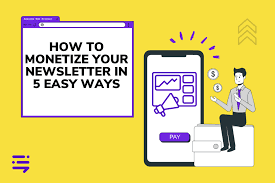
Monetizing a newsletter involves strategically integrating revenue-generating methods that align with your audience’s interests and your content’s value. Success comes from understanding your subscribers, offering them genuine value, and choosing monetization options that feel natural and helpful, rather than intrusive or salesy.
Understanding the “Why” Behind Newsletter Monetization
Think about why you started your newsletter in the first place. Was it to share your expertise? To connect with like-minded people?
To build a platform for your ideas? Whatever the reason, it’s likely fueled by passion. Now, imagine that passion could also help pay your bills.
That’s the core idea behind monetization. It’s not about selling out; it’s about sustainability. When your newsletter can generate income, you can dedicate more time and resources to it.
You can create even better content, invest in tools that improve your reader experience, and generally grow your community. It allows your passion project to become a real, ongoing venture. This makes it possible to keep sharing what you love with the people who love it, for the long haul.
It’s about creating a win-win for you and your readers.
The Foundation: Knowing Your Audience
Before you even think about making money, you have to know who you’re talking to. Who are your subscribers? What are their needs, their interests, their pain points?
What do they wish they knew more about? Imagine you’re talking to a single person, your ideal reader. What would they be excited to buy or learn from?
What problems do they need help solving? These questions are super important. When you understand your audience deeply, you can pick monetization methods that actually resonate with them.
Trying to sell something they don’t need or care about will backfire. It’ll make them feel like you’re just trying to grab their cash. But if you offer something that genuinely helps them or entertains them, they’ll be much more receptive.
It builds trust.
Audience Insight Checklist
- Demographics: Age, location, job, etc. (if you can gather it).
- Interests: What topics do they engage with most?
- Pain Points: What challenges do they face related to your niche?
- Goals: What are they trying to achieve?
- Spending Habits: Are they likely to buy products or services?
Gathering this information isn’t always easy. You can look at your email analytics. See which links get clicked most.
Pay attention to replies you get. You can even send out a simple survey asking direct questions. Tools like Google Forms or SurveyMonkey are great for this.
The more you know, the better you can tailor your content and your offers. This is the bedrock of any successful monetization strategy.
Monetization Strategies: Picking the Right Fit
There are many ways to make money from your newsletter. No single method works for everyone. The best approach often mixes a few different strategies.
It depends on your niche, your audience, and how much time and effort you can commit. We’ll explore some of the most popular and effective methods. Each has its own pros and cons, and its own ideal scenario.
1. Premium Subscriptions (Paid Tiers)
This is a very popular model. You offer a free newsletter with basic content. Then, you have a paid tier that gives subscribers access to more exclusive content.
This could be deeper dives, bonus articles, Q&A sessions, or early access to things. Think of it like a magazine with free articles and then a premium subscription for full access. It works best when you can consistently deliver high-value content that people feel is worth paying for.
Paid Tier Content Ideas
- In-depth Guides: Longer, more detailed articles.
- Exclusive Interviews: Chats with experts in your field.
- Behind-the-Scenes: Your process or personal insights.
- Community Access: A private forum or chat group.
- Worksheets or Templates: Actionable tools for readers.
Tools like Substack, Beehiiv, or Ghost make setting up paid subscriptions quite simple. You can offer monthly or yearly plans. The key is to clearly show the value of the paid tier.
Make sure the free content is still good enough to attract subscribers, but the paid content is compelling enough to convert them.
2. Sponsorships and Advertising
This is a more traditional advertising model. Brands pay you to promote their product or service to your audience. This could be through dedicated mentions, sponsored articles, or banner ads.
To make this work, you need a decent-sized, engaged audience. Sponsors want to know their message will reach relevant people who are likely to act. You’ll need to be upfront about your audience size and engagement rates.
Sponsorship Options
- Dedicated Emails: A whole email sent just for the sponsor.
- Sponsored Mentions: A paragraph or section within your regular newsletter.
- Banner Ads: Small ads usually at the top or bottom.
- Affiliate Marketing: Promoting products and earning a commission on sales (discussed next).
It’s crucial to only work with brands that align with your values and your audience’s interests. Promoting a product you don’t believe in will erode trust quickly. Transparency is also key; always let your readers know when content is sponsored.
Many newsletters start with sponsorships once they reach a few thousand engaged subscribers.
3. Affiliate Marketing
This is where you recommend products or services. You include a special link. If a reader clicks that link and makes a purchase, you earn a commission.
This is a great option because you’re recommending things you genuinely use and love. It feels less like advertising and more like sharing a helpful tip. Amazon Associates is a common starting point for many.
Affiliate Success Tips
- Recommend What You Use: Authenticity is key.
- Only Partner with Quality Products: Protect your reputation.
- Disclose Clearly: Let readers know it’s an affiliate link.
- Integrate Naturally: Weave recommendations into your content.
The beauty of affiliate marketing is that you don’t need to create your own product. You leverage existing products and services that your audience might find valuable. Again, honesty is the best policy.
Always tell your readers that you might earn a commission. Most readers understand and appreciate honest recommendations.
4. Selling Your Own Products or Services
This is often the most lucrative method. If you have something to sell – a course, an ebook, a digital tool, coaching services, physical products – your newsletter is the perfect place to promote it. You’ve already built a warm audience that trusts you.
They’re more likely to buy from you than a stranger.
Product/Service Ideas for Newsletters
- Ebooks & Guides: Compile your best content or create new material.
- Online Courses: Teach a skill your audience wants to learn.
- Workshops/Webinars: Live training sessions.
- Consulting/Coaching: Offer your expertise one-on-one.
- Physical Products: Merchandise, books, or niche items.
You can announce new product launches to your list, offer exclusive discounts to subscribers, or simply remind people about your offerings regularly. This method requires you to have a product or service first, of course. But if you do, your newsletter becomes your most powerful marketing channel.
It’s a direct line to your most engaged fans.
Building Trust and Delivering Value First
Let’s be honest. Nobody wants to feel like they’re just a walking dollar sign. Before you can successfully monetize your newsletter, you have to earn and keep your readers’ trust.
This means delivering consistent, high-quality content that they actually want to read. Think about what makes your newsletter special. What unique perspective do you offer?
What problems do you solve for them?
I remember starting my first blog many years ago. I was so excited about the topic. I wrote long, detailed posts.
I thought I was sharing everything I knew. But my comments section was quiet. My email list barely grew.
I felt like I was shouting into the void. Then, I started talking to my readers. I asked them what they struggled with.
I looked at what they searched for on my site. Suddenly, I realized I was talking at them, not with them. I was sharing what I thought was important, not what they needed.
That was a huge shift. When I started focusing on their problems and their questions, my engagement shot up. My list grew faster.
And when I eventually introduced a small product, people were already interested because they felt I understood them.
This applies directly to newsletters. If your free content is amazing, people will be excited to see what else you offer. If you’re constantly trying to sell them something they don’t care about, they’ll tune out.
Or worse, they’ll unsubscribe. Value should always come first. Think of it as building a relationship.
You’re giving gifts (your free content) to build trust and show your generosity. Then, when you offer something for sale, it’s like offering a special favor to a friend who already knows and likes you.
Value-First Newsletter Habits
- Consistency: Send emails on a regular schedule.
- Relevance: Keep content focused on your niche.
- Clarity: Make your writing easy to understand.
- Actionability: Give readers something they can do.
- Engagement: Encourage replies and feedback.
This approach also helps you avoid the dreaded “AI detection” concerns. Human connection and genuine experience shine through when you’re focused on serving your readers. It’s about authenticity.
What are your real thoughts? What are your real experiences? Sharing those human elements makes your newsletter stand out from generic content.
Choosing the Right Platform for Your Newsletter
The tools you use can make a big difference in how smoothly you can monetize. There are many newsletter platforms out there. Some are designed specifically for creators and offer built-in monetization features.
Others are more basic email marketing tools. For monetization, you’ll want a platform that supports paid subscriptions, integrates with e-commerce tools, or allows for easy ad placement. Here are a few popular ones and what they’re good for:
- Substack: Great for writers who want to offer paid subscriptions easily. They handle payments and hosting. It’s very writer-friendly.
- Beehiiv: Offers a robust free tier and paid features. It’s good for growing newsletters with advanced analytics and segmentation. It also supports paid tiers and ads.
- Ghost: An open-source option that gives you more control. It’s excellent for building a membership site and can be highly customized.
- ConvertKit: A powerful email marketing tool popular with creators. It has strong automation and landing page features. It integrates well with e-commerce solutions for selling products.
- Mailchimp: A well-known platform, good for beginners. It offers a free tier for smaller lists. Monetization features are more basic but can be expanded with integrations.
When you’re starting out, a simpler platform might be best. As your newsletter grows and you implement more complex monetization strategies, you might need to switch. Look for platforms that offer good customer support and are easy to use.
You don’t want to spend all your time fighting with your email software when you could be creating content.
Setting Your Pricing (If Applicable)
If you’re offering a paid subscription or selling a product, pricing is crucial. It needs to reflect the value you provide. Don’t underprice yourself, but also don’t price yourself out of the market.
Research what others in your niche are charging. Consider your audience’s ability to pay. Start with a price that feels right, and be open to adjusting it later based on feedback and sales.
A common strategy is to offer an annual discount to encourage longer commitments. This also provides you with more predictable income.
Real-World Scenarios and User Behavior
Let’s look at how different types of newsletters successfully monetize. Imagine Sarah, who writes a weekly newsletter about urban gardening. Her free newsletter offers tips on growing vegetables in small spaces.
She has a very engaged audience of apartment dwellers. She notices many readers ask about specific tools and supplies. So, Sarah starts an affiliate marketing program.
She partners with gardening supply companies. In her newsletter, she shares reviews of her favorite trowels, watering cans, and organic fertilizers, with affiliate links. She also creates a small ebook called “The Balcony Gardener’s Toolkit.” She promotes this ebook to her newsletter subscribers, offering them a special launch discount.
Then there’s Mark, a financial advisor who shares free weekly market updates. His audience is looking for more in-depth financial planning advice. Mark starts a premium subscription.
For a monthly fee, subscribers get access to his monthly webinars on retirement planning and investment strategies. They also get a monthly Q&A session where he answers specific subscriber questions. He clearly lays out the benefits of the paid tier on his website and within his free newsletter, making it easy for interested readers to upgrade.
What about Emily, a graphic designer? She shares free design tips and resources. She builds a strong following.
She then creates a set of premium design templates for social media. Her newsletter is the primary channel to announce these templates. She offers an early bird discount to her email list, driving sales directly from her subscribers.
She also occasionally runs sponsored posts from companies that offer design software or tools she uses and trusts.
Scenarios in Action
- Niche Focus: Sarah’s gardening tips attract a specific audience.
- Value Ladder: Free content leads to paid products/services.
- Community Building: Paid tiers offer exclusive access.
- Problem Solving: Monetization directly addresses reader needs.
These examples show how understanding your audience and their needs is key. It’s not just about putting up a “buy now” button. It’s about weaving monetization into the fabric of your newsletter in a way that feels natural and helpful.
People are more likely to spend money when they feel you understand them and are providing genuine solutions or valuable insights.
What This Means for You: When is it Normal, When to Worry?
It’s completely normal to want your newsletter to be sustainable. If you’re putting in the effort to create valuable content, it makes sense to explore ways to get rewarded for it. The key is how you monetize.
It’s normal to:
- Offer premium content to loyal subscribers.
- Recommend products you genuinely use and love.
- Sell your own products or services that help your audience.
- Partner with brands that align with your content.
You might start to worry if:
- Your monetization efforts feel forced or spammy.
- You see a significant drop in engagement or subscriptions after introducing monetization.
- You’re constantly pushing sales pitches without providing value.
- You feel like you’re compromising your integrity to make a sale.
If your readers start complaining, or if your metrics (open rates, click-through rates, unsubscribe rates) take a nosedive, that’s a red flag. It means your current monetization strategy isn’t working well for your audience. You need to step back and re-evaluate.
Are you being too aggressive? Is the value there? Are you transparent enough?
Quick Monetization Health Check
- Open Rates: Are they steady or declining?
- Click-Through Rates: Are people clicking your links (both content and promotional)?
- Unsubscribe Rate: Is it higher than usual?
- Reader Feedback: What are people saying in replies or comments?
The goal is to find a balance. You want to earn money, but you also want to keep your community happy and engaged. It’s a marathon, not a sprint.
Building a sustainable income from your newsletter takes time and consistent effort to provide value.
Quick Fixes & Tips for Smoother Monetization
If you’re feeling stuck or your monetization efforts aren’t quite hitting the mark, here are a few quick tips:
- Start Small: Don’t try to do everything at once. Pick one or two methods and do them well.
- Be Transparent: Always disclose sponsored content or affiliate links. Honesty builds trust.
- Segment Your List: If possible, send targeted offers to specific groups of subscribers who are most likely to be interested.
- Test and Iterate: What works today might not work tomorrow. Keep trying new things and see what resonates.
- Ask for Feedback: Directly ask your readers what they’d like to see or what they’d be willing to pay for.
- Focus on Benefits, Not Just Features: When promoting something, explain how it will help your reader, not just what it is.
- Make it Easy to Buy: Ensure your links work and your checkout process is smooth.
It’s always about serving your audience first. When you do that, monetization often follows more naturally. Don’t be afraid to experiment.
What works for one newsletter might not work for another. That’s okay. The journey of monetizing your newsletter is one of continuous learning and adaptation.
Frequently Asked Questions About Newsletter Monetization
How many subscribers do I need to start monetizing?
There’s no magic number! Some people start affiliate marketing with just a few hundred engaged subscribers. For sponsorships, you might need a few thousand.
Paid subscriptions can work even with smaller, highly dedicated audiences. Focus on engagement over sheer numbers, especially at first.
What’s the difference between affiliate marketing and sponsorships?
With affiliate marketing, you promote products and earn a commission if someone buys through your unique link. With sponsorships, a brand pays you a set fee to feature their product or service in your newsletter, regardless of sales performance.
Should I offer both free and paid content?
Yes, this is a common and effective strategy. The free content attracts new subscribers and keeps your existing ones engaged. The paid content offers exclusive value for those who want more.
It’s a great way to build loyalty and offer different levels of engagement.
How do I avoid sounding too salesy?
Focus on providing value first. Weave your promotions naturally into your content. Be honest and transparent.
Only promote products or services you truly believe in. Think of it as sharing a helpful recommendation with a friend, not pushing a hard sale.
Can I monetize a newsletter about a niche topic?
Absolutely! Niche newsletters can be incredibly effective for monetization because the audience is highly targeted. Brands often pay a premium to reach a specific, engaged audience.
Your deep knowledge in a niche can also be a strong selling point for your own products or services.
How often should I promote paid content or affiliate links?
This varies greatly. A good rule of thumb is to maintain an 80/20 or 90/10 ratio of value-based content to promotional content. If you send one email a week, maybe one in every four or five emails could have a stronger promotional element, or you can include a small promotion within a value-packed email.
Conclusion: Building a Sustainable Newsletter Business
Monetizing your newsletter is a journey. It’s about more than just making money; it’s about building a sustainable channel for your ideas and connecting with your audience on a deeper level. By focusing on genuine value, understanding your readers, and choosing strategies that align with your unique voice, you can create a newsletter that not only thrives but also supports your creative endeavors for years to come.